

 English
 русский
 عربى
عربىIntroduction to Embossed PVC Film 1.1 Brief Overview of PVC (Polyvinyl Chloride) and Its Properties Polyvinyl chloride (PVC) is one of the most widely...
READ MOREWood Grain PVC Film vs. Natural Veneer: Which Is Better?
Wood grain finishes have long been a staple of furniture and interior design — but sourcing real wood veneers at scale is costly, inconsistent, and increasingly unsustainable. Ordinary wood grain PVC decorative film has emerged as the practical, high-performance alternative that manufacturers, designers, and OEM buyers are turning to worldwide. It delivers the warmth and authenticity of natural wood at a fraction of the cost, with a production cycle short enough to keep pace with fast-moving market demands.
This guide covers everything you need to know about wood grain PVC decorative film — from its construction and visual performance to its durability advantages, application scenarios, and how to select the right product for your project.
Content
- 1 What Is Ordinary Wood Grain PVC Decorative Film?
- 2 A Wide Selection of Textures and Styles
- 3 Durability That Outperforms Natural Wood Veneer
- 4 Performance Comparison: Wood Grain PVC Film vs. Alternatives
- 5 Short Production Cycle and Low Cost: A Competitive Advantage
- 6 Typical Applications Across Furniture and Interior Sectors
- 7 How to Select the Right Wood Grain PVC Decorative Film
What Is Ordinary Wood Grain PVC Decorative Film?
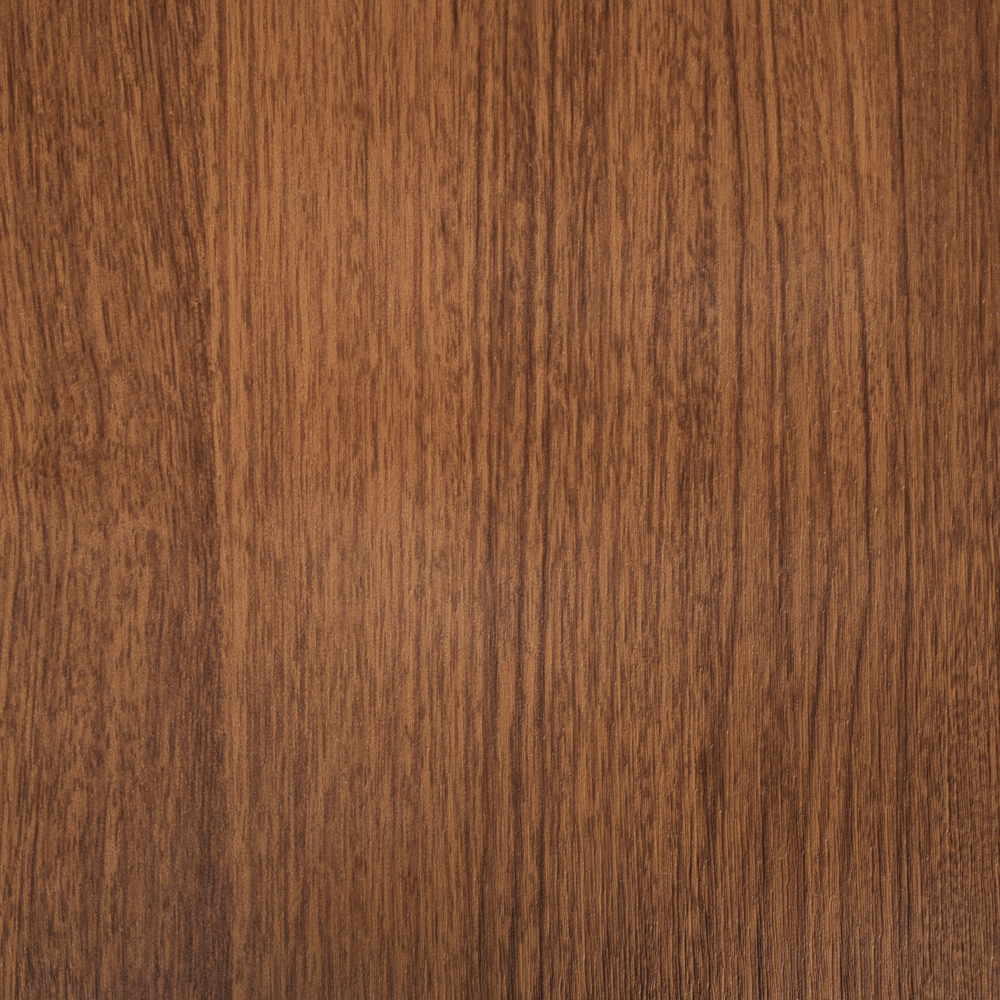
Ordinary wood grain PVC decorative film is a surface finishing material composed of polyvinyl chloride (PVC) as its base substrate, printed with high-resolution wood grain patterns and coated with a protective topcoat layer. The film is engineered to replicate the visual and tactile qualities of natural timber — including grain direction, knot patterns, color variation, and surface texture — without any of the structural limitations that come with real wood.
The manufacturing process combines advanced gravure printing with embossing technology. After the wood grain pattern is printed, the film passes through embossing rollers that physically press micro-texture details into the surface. The result is a high-fidelity wood grain effect that closely matches the look and feel of species like oak, walnut, teak, pine, cherry, and maple — with a delicate touch that distinguishes premium decorative film from lower-grade alternatives.
A Wide Selection of Textures and Styles
One of the defining strengths of wood grain PVC decorative film is the breadth of its design library. Unlike natural veneer, which is constrained by species availability and harvest consistency, PVC decorative film can be produced in virtually unlimited patterns, colorways, and surface finishes. Manufacturers typically offer collections covering:
- Light wood grains — ash white, birch, and light oak tones favored in Scandinavian and Nordic-style interiors
- Mid-tone naturals — natural oak, pine knot, and beech variants suited to modern and transitional design aesthetics
- Dark and rich grains — walnut, wenge, and teak patterns popular in contemporary luxury and minimalist furniture lines
- Aged and distressed effects — weathered barn wood, reclaimed timber, and brushed grain finishes for industrial or rustic applications
Surface finish options further expand the selection range. Matte finishes reduce glare and create a natural, tactile feel. Gloss finishes amplify color depth and are common in kitchen cabinet and panel applications. Embossed-in-register (EIR) finishes align the physical texture precisely with the printed grain pattern, producing the most realistic result available in PVC film technology.
This wide selection makes wood grain PVC decorative film genuinely versatile — suitable for Nordic minimalism, modern urban interiors, classic European styles, and everything in between. Furniture manufacturers running multiple product lines can source a consistent, unified look across entire collections without the color variation risk inherent in natural wood.
Durability That Outperforms Natural Wood Veneer
Beyond aesthetics, the practical performance of ordinary wood grain PVC decorative film is what makes it the preferred surface material in high-use environments. Real wood veneer, while visually appealing, is vulnerable to moisture swelling, surface cracking, UV fading, and scratching from daily contact. PVC decorative film is engineered to address all of these failure points directly.
Waterproof and Moisture-Proof
PVC is inherently hydrophobic. The film creates a sealed, non-porous surface that prevents water and humidity from reaching the substrate beneath. This makes wood grain PVC decorative film an ideal choice for kitchen cabinet doors, bathroom vanities, laundry furniture, and any application where moisture exposure is routine. In humid climates or high-condensation environments, surfaces finished with PVC film maintain their dimensional stability and appearance over years of use, while real wood veneers swell, warp, or delaminate.
Wear-Resistant and Scratch-Resistant
The protective topcoat layer applied over the printed grain significantly increases surface hardness. Quality wood grain PVC decorative film typically achieves a pencil hardness rating of 2H–4H, providing meaningful resistance to scratching from keys, utensils, and everyday contact. This is particularly valuable in children's furniture, office workstations, retail display fixtures, and restaurant furniture — any surface that experiences repeated physical contact throughout the day.
Wear resistance is measured under the Taber Abrasion test. Premium-grade films retain their appearance well beyond 1,000 abrasion cycles, ensuring the surface looks new far longer than painted or paper-laminated alternatives.
Simple Daily Maintenance
Maintenance is one of the most overlooked factors in surface material selection, yet it directly affects end-user satisfaction and product longevity. Wood grain PVC decorative film requires no special cleaning agents, polishes, or periodic refinishing. A damp cloth removes most common stains — including grease, food residue, crayon, and light scuffs. The non-porous surface does not harbor bacteria or absorb odors, making it hygienic and easy to keep clean in both residential and commercial settings.
Performance Comparison: Wood Grain PVC Film vs. Alternatives
Buyers evaluating surface finishing materials typically compare PVC decorative film against natural veneer, melamine paper, and paint. The table below provides a direct comparison across the criteria that matter most in commercial furniture production.
| Criteria | Wood Grain PVC Film | Natural Veneer | Melamine Paper | Paint Finish |
|---|---|---|---|---|
| Visual Realism | High | Very High | Medium | Low (solid color) |
| Waterproof | Excellent | Poor | Good | Moderate |
| Scratch Resistance | Good | Low | Good | Moderate |
| Material Cost | Low | High | Low | Medium |
| Production Cycle | Short | Long | Short | Medium |
| Wrapping / 3D Forming | Excellent | Limited | Limited | Good |
Short Production Cycle and Low Cost: A Competitive Advantage
For furniture manufacturers and OEM buyers operating in fast-moving markets, two factors define competitiveness: cost and speed. Ordinary wood grain PVC decorative film excels on both fronts. The film can be produced in large rolls and applied to MDF, particleboard, plywood, and PVC profiles using hot-pressing, cold-gluing, or vacuum membrane pressing — all of which are established, high-speed processes in furniture manufacturing lines.
The short production cycle means that new designs can move from concept to finished product significantly faster than wood veneer alternatives, which require longer drying and finishing stages. For brands launching seasonal collections or responding to design trend shifts, this agility is a meaningful operational advantage.
The low cost of PVC decorative film relative to natural veneer allows manufacturers to price products more competitively without sacrificing surface quality or visual appeal. This enables customers — whether they are mid-range furniture brands or volume contract suppliers — to capture greater market share in price-sensitive segments while maintaining attractive margins. In high-volume production runs, the savings compound significantly across thousands of panels per month.
Typical Applications Across Furniture and Interior Sectors
Wood grain PVC decorative film is used across a broad range of finished product categories. Its flexibility, formability, and resistance to moisture make it particularly well-suited to applications where real wood cannot perform reliably:
- Kitchen and bathroom cabinets — high moisture resistance makes PVC film the default surface choice in wet rooms
- Wardrobe and bedroom furniture — wide grain selection supports Nordic, modern, and classic style ranges
- Office furniture and workstations — scratch resistance withstands daily workload demands
- Door skins and panel wrapping — PVC film conforms precisely to routed profiles and 3D shapes
- Retail display fixtures and shelving — cost-effective at scale with a premium surface appearance
- Hospitality and contract furniture — easy maintenance and consistent appearance across large orders
How to Select the Right Wood Grain PVC Decorative Film
Not all wood grain PVC decorative film is produced to the same standard. When evaluating suppliers or placing orders, consider the following selection criteria to ensure the film performs as expected in your end application:
- Film thickness: Standard decorative films range from 0.12mm to 0.50mm. Thicker films offer greater durability and are recommended for high-contact surfaces; thinner films suit flat panel lamination where flexibility is needed
- Topcoat specification: Confirm whether the protective coating is UV-cured or solvent-based, and request scratch and abrasion test data before approving samples
- Embossing quality: Request physical samples and inspect whether the embossed texture aligns with the printed grain — misalignment reduces visual realism significantly
- Formaldehyde and VOC compliance: Verify the film meets REACH, RoHS, or EN 71-3 standards if products are destined for European or children's furniture markets
- Color consistency across batches: Request Delta E color tolerance documentation to ensure consistent appearance across large production runs
Working with an established supplier that maintains consistent quality control, offers a wide design library, and can support custom grain development will give your product line the flexibility to respond quickly to market trends — while keeping production costs and timelines under control.
PREV:Embossed PVC Decorative Film: Full GuideNEXT:Why Designers Are Specifying EB Excimer Decorative Film for Modern Interiors?
Interested in cooperation or have questions?
Media
-
-
1. Introduction to PVC Decorative Film 1.1 What is PVC Decorative Film? PVC decorative film, also known as vinyl film or PVC foil, is a thin, flexible...
READ MORE -
Introduction — Wood Grain PVC Decorative Film Overview and Market Positioning Wood Grain PVC Decorative Film has emerged as a versatile and innovative...
READ MORE


 +86-13855983898 +86-0559-3588289
 No. 41, Yongjia Avenue, Huizhou District, Huangshan City, Anhui Province, China
Copyright © Huangshan Hengying Industrial Co., Ltd. All Rights Reserved.