

 English
 русский
 عربى
عربىIntroduction to Embossed PVC Film 1.1 Brief Overview of PVC (Polyvinyl Chloride) and Its Properties Polyvinyl chloride (PVC) is one of the most widely...
READ MOREWhy Designers Are Specifying EB Excimer Decorative Film for Modern Interiors?
Content
- 1 What Is EB Excimer Decorative Film?
- 2 The Technology Behind the Ultra-Matte Finish
- 3 Stain Resistance and Scratch Resistance in Daily Use
- 4 Eco-Friendly Composition: Solvent-Free and VOC-Free
- 5 Thermoforming Properties and Processing Compatibility
- 6 Application Range: Where EB Excimer Decorative Film Is Used
- 7 Comparing EB Excimer Film to Conventional Decorative Films
What Is EB Excimer Decorative Film?
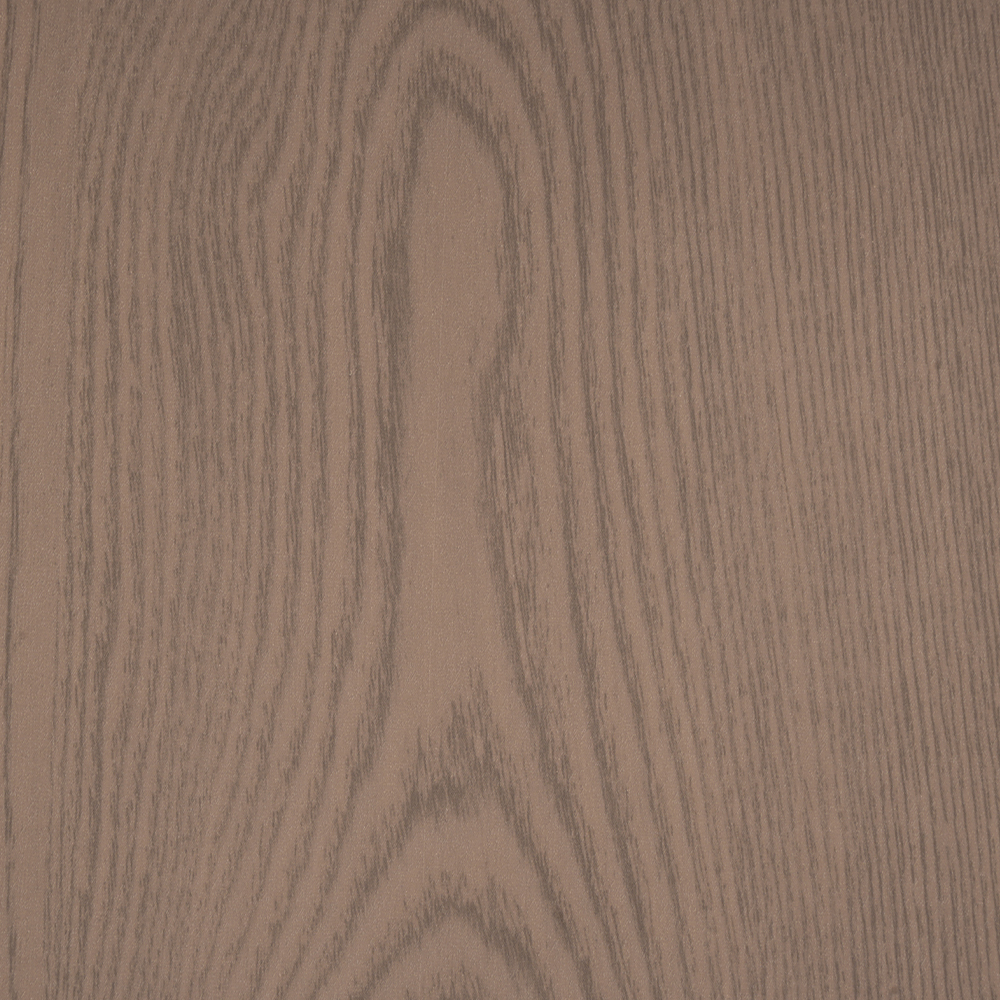
EB Excimer Decorative Film is a high-performance surface material that brings together two advanced technologies — Electron Beam (EB) curing and Excimer treatment — into a single, engineered decorative solution. Unlike conventional decorative films that rely on solvent-based coatings or UV curing alone, this film undergoes a two-stage surface refinement process that produces properties unattainable through either technology independently. The EB curing stage uses high-energy electron beams to cross-link the polymer matrix at a molecular level, building exceptional hardness and chemical resistance into the base structure of the film. The Excimer treatment then acts on the outermost surface layer, restructuring it at a micro-scale to create the distinctive ultra-matte finish that defines this material's visual identity.
The result is a decorative film that simultaneously delivers the tactile softness of a premium matte surface and the protective durability of a hardened industrial coating — a combination that was previously difficult to achieve in a single laminate material. Engineered for modern interior applications, EB Excimer Decorative Film has become the specification of choice for architects, furniture manufacturers, and interior designers seeking surface materials that perform as well as they look, across both residential and commercial environments.
The Technology Behind the Ultra-Matte Finish
The ultra-matte finish produced by Excimer technology is one of the most visually distinctive qualities of EB Excimer Decorative Film, and understanding how it is created helps clarify why it behaves so differently from conventional matte finishes. Standard matte finishes are typically achieved by adding flatting agents — silica particles or similar materials — to a coating formulation, which scatter light at the surface and reduce gloss. This approach creates a matte appearance, but the underlying surface remains relatively smooth and vulnerable to marking and contamination.
Excimer technology takes a fundamentally different approach. A pulsed Excimer laser operates at a specific ultraviolet wavelength that causes the outermost molecular layer of the cured film surface to undergo controlled micro-shrinkage. This creates a fine, uniform micro-texture across the entire surface — a physical structure that scatters light with exceptional uniformity and produces a matte appearance with a depth and consistency that flatting agent-based finishes cannot replicate. The soft-touch matte texture that results is not just visually matte; it has a distinctive tactile quality — smooth but with a subtle velvety resistance — that communicates quality and craftsmanship to the touch, making it particularly valued in premium furniture and cabinetry applications.
Stain Resistance and Scratch Resistance in Daily Use
Two of the most practically significant performance attributes of EB Excimer Decorative Film are its stain resistance and scratch resistance — properties that directly determine how the surface performs and looks over years of real-world use. These characteristics are not surface treatments applied after the fact; they are intrinsic to the film's material structure, built in at the molecular level through the EB curing process.
How Stain Resistance Works
The EB-cured polymer matrix creates a dense, non-porous surface that effectively repels dirt, oil, and water stains. On a porous or open surface, liquid contaminants penetrate the surface structure and bond with the substrate material — making them difficult or impossible to remove without damaging the finish. The closed surface structure of EB Excimer Decorative Film prevents this penetration entirely. Cooking oils, beverages, fingerprints, marker ink, and common household chemicals remain on the surface rather than within it, ensuring effortless cleaning with a damp cloth and no specialized cleaning products. This property is particularly valuable in kitchen cabinetry, dining furniture, and commercial interior surfaces where contamination exposure is frequent and surface hygiene is essential.
How Scratch Resistance Protects the Surface
The EB-cured surface enhances hardness, reducing the risk of daily wear and tear from contact with keys, utensils, bags, and other hard objects that routinely contact furniture and interior surfaces. Conventional decorative films with soft or lightly cured surfaces develop fine scratches and abrasion marks over relatively short periods of use, progressively degrading the appearance of the finished surface. The cross-linked molecular structure created by electron beam curing resists this micro-abrasion with significantly greater effectiveness, maintaining the integrity of both the surface finish and the underlying visual appearance over extended periods of daily use. In high-traffic commercial environments — retail fixtures, office furniture, hospitality interiors — this scratch resistance translates directly into lower maintenance costs and longer intervals between surface refurbishment.
Eco-Friendly Composition: Solvent-Free and VOC-Free
The environmental credentials of EB Excimer Decorative Film are an increasingly important factor in its specification, particularly as building regulations, green certification programs, and consumer expectations around indoor air quality continue to tighten. The film's eco-friendly composition — solvent-free and VOC-free — means that it contains no volatile organic compounds that would off-gas into the indoor environment during or after installation.
This is a meaningful distinction from conventional solvent-based decorative coatings and films, which release VOCs during both manufacturing and the period following installation. VOC emissions in enclosed interior spaces contribute to poor indoor air quality and are associated with a range of health effects. Buildings pursuing LEED, BREEAM, or other green building certifications require documentation of low-VOC or VOC-free material specifications, and EB Excimer Decorative Film meets these requirements without compromise. The solvent-free manufacturing process also reduces environmental impact at the production stage, eliminating solvent recovery and disposal requirements from the manufacturing workflow. For furniture manufacturers, panel producers, and interior fit-out contractors seeking to align their supply chains with sustainability commitments, this combination of in-use safety and production-stage environmental responsibility is a compelling differentiator.
Thermoforming Properties and Processing Compatibility
Beyond its surface performance attributes, EB Excimer Decorative Film is engineered with easy thermoforming properties that make it compatible with the membrane pressing and vacuum forming processes used in modern furniture and cabinetry manufacturing. Thermoforming allows the film to be conformed to three-dimensional substrate geometries — routed profiles, curved edges, embossed panel faces — without cracking, delaminating, or losing the integrity of the matte surface finish in the formed areas.
This processing compatibility significantly expands the design range achievable with a single film specification. A manufacturer can use EB Excimer Decorative Film on flat panel faces, shaped door fronts, and profiled edge details within the same product, maintaining visual and tactile consistency across the entire piece without the need for multiple surface materials or secondary finishing operations. The film's thermoforming performance also reduces forming cycle times and minimizes material waste from forming failures, contributing to more efficient production economics in high-volume cabinet and furniture manufacturing environments.
Application Range: Where EB Excimer Decorative Film Is Used
The combination of aesthetic quality, surface protection, environmental compliance, and processing versatility makes EB Excimer Decorative Film applicable across a wide range of interior surface categories. The following table summarizes the primary application areas and the specific performance attributes that drive specification in each context:
| Application | Key Performance Drivers | Primary Benefit |
| Furniture Panels | Scratch resistance, soft-touch matte texture | Premium aesthetics with daily-use durability |
| Cabinets | Stain resistance, easy cleaning, thermoforming | Hygienic surfaces compatible with complex profiles |
| Doors | Scratch resistance, thermoforming, matte finish | Consistent finish across flat and shaped surfaces |
| Wall Coverings | VOC-free, stain resistance, visual uniformity | Safe indoor air quality with low-maintenance finish |
| Commercial Interiors | All attributes — high-traffic durability critical | Long refurbishment intervals, sustained appearance |
Comparing EB Excimer Film to Conventional Decorative Films
For designers and manufacturers evaluating EB Excimer Decorative Film against conventional laminate or decorative film alternatives, understanding the specific performance gaps helps clarify where the investment in this higher-specification material delivers the most measurable return. Conventional PVC or PET decorative films with standard UV coatings perform adequately in low-demand applications, but their limitations become evident under sustained use in demanding environments.
- Surface hardness: Standard UV-cured films typically achieve pencil hardness ratings of H to 2H. EB-cured films regularly exceed 3H to 4H, providing meaningfully greater resistance to abrasion and indentation under equivalent contact loads.
- Matte consistency: Flatting agent-based matte films are prone to gloss variation across the panel surface and between production batches. Excimer-processed surfaces achieve gloss uniformity that remains visually consistent across large panel formats and production runs.
- Chemical resistance: The dense cross-linked surface of EB-cured film resists a broader range of household chemicals, solvents, and cleaning agents without surface dulling or discoloration compared to standard film coatings.
- Environmental compliance: Most conventional decorative films with solvent-based coatings cannot meet current low-VOC interior material specifications required for green building certification. EB Excimer Decorative Film's solvent-free and VOC-free composition satisfies these requirements without reformulation or substitution.
- Long-term appearance retention: The combination of superior scratch resistance, stain resistance, and UV-stable colorants means EB Excimer Decorative Film maintains its original appearance significantly longer than conventional alternatives, reducing the frequency of surface replacement in both residential and commercial applications.
PREV:Wood Grain PVC Film vs. Natural Veneer: Which Is Better?NEXT:Why Single Color PVC Decorative Film Outperforms Spray Painting on Cabinets and Wardrobes?
Interested in cooperation or have questions?
Media
-
-
1. Introduction to PVC Decorative Film 1.1 What is PVC Decorative Film? PVC decorative film, also known as vinyl film or PVC foil, is a thin, flexible...
READ MORE -
Introduction — Wood Grain PVC Decorative Film Overview and Market Positioning Wood Grain PVC Decorative Film has emerged as a versatile and innovative...
READ MORE


 +86-13855983898 +86-0559-3588289
 No. 41, Yongjia Avenue, Huizhou District, Huangshan City, Anhui Province, China
Copyright © Huangshan Hengying Industrial Co., Ltd. All Rights Reserved.