

 English
 русский
 عربى
عربىIntroduction to Embossed PVC Film 1.1 Brief Overview of PVC (Polyvinyl Chloride) and Its Properties Polyvinyl chloride (PVC) is one of the most widely...
READ MOREEmbossed PVC Film: Properties, Applications, and Manufacturing
Introduction to Embossed PVC Film
1.1 Brief Overview of PVC (Polyvinyl Chloride) and Its Properties
Polyvinyl chloride (PVC) is one of the most widely used synthetic plastics in the world. It is known for its versatility, durability, and cost-effectiveness, which make it an ideal material for various applications. PVC is made from polymerizing vinyl chloride monomers, creating a rigid or flexible material depending on the additives used. The properties of PVC include resistance to moisture, chemicals, and UV degradation, as well as high strength and good thermal stability. These characteristics contribute to its widespread use in construction, healthcare, automotive, packaging, and many other industries.
1.2 Explanation of What Embossed PVC Film Is and Its Unique Characteristics
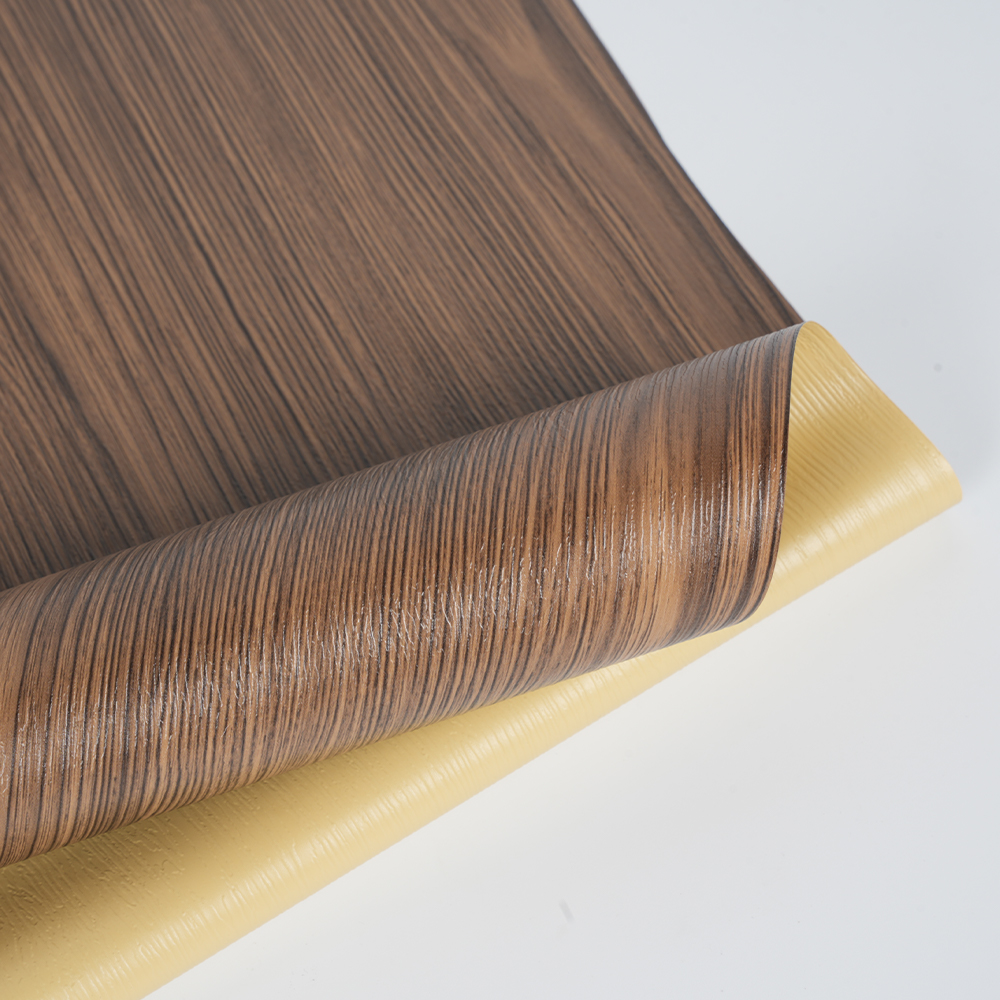
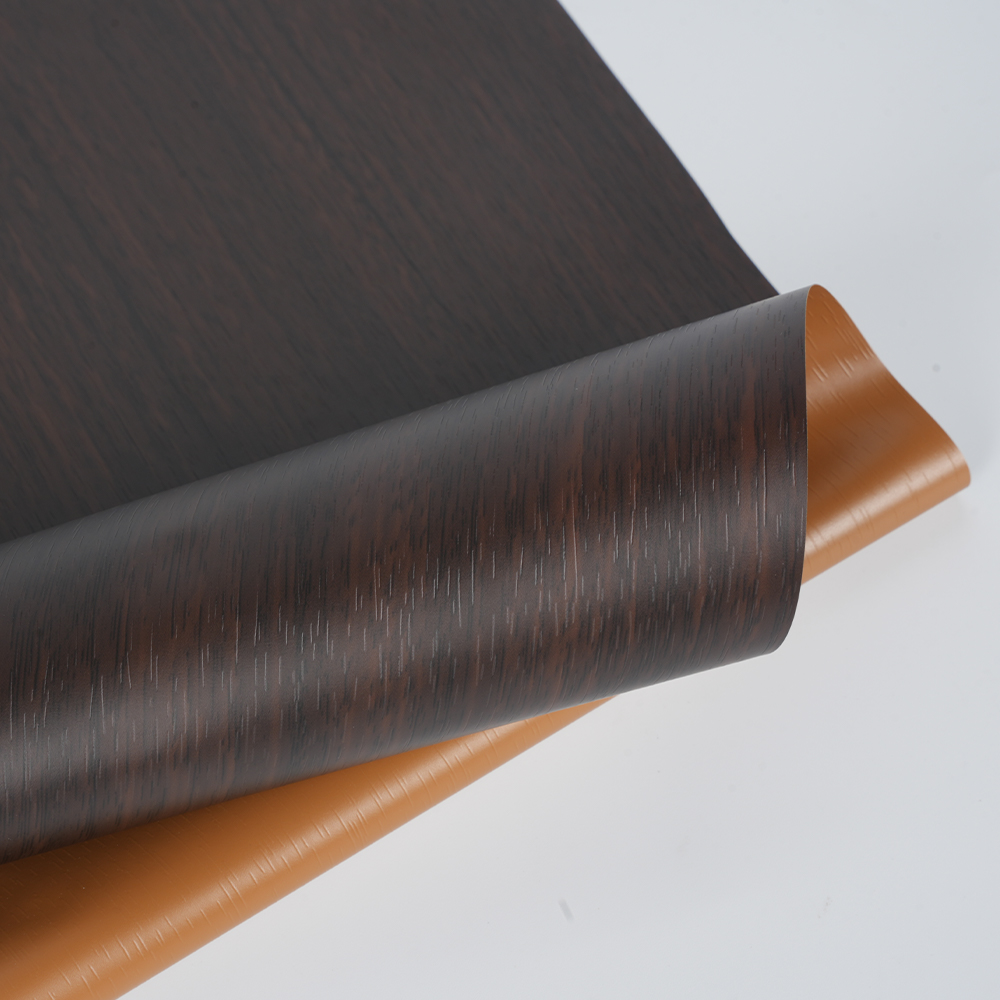
Embossed PVC film refers to a thin layer of PVC that has been treated with heat and pressure to create a textured surface pattern. The embossing process gives the film unique visual appeal by adding raised or recessed designs that can resemble natural materials such as wood, leather, or fabric. Embossed PVC films are available in a range of textures and patterns, making them ideal for use in both decorative and functional applications. These films maintain all the inherent properties of PVC, such as flexibility, durability, and water resistance, while offering enhanced aesthetics through their textured surfaces.
One of the key characteristics of embossed PVC film is its ability to simulate the appearance of expensive natural materials at a fraction of the cost. Moreover, the embossed texture adds a tactile quality that enhances the user experience in various applications, from furniture and wall coverings to packaging and signage.
1.3 Highlighting the Benefits of Using Embossed PVC Film Compared to Other Materials
The use of embossed PVC film offers numerous advantages over traditional materials such as wood, leather, and metal. One major benefit is cost-effectiveness. PVC film can achieve the look and feel of more expensive materials without the high price tag, making it an attractive choice for manufacturers and consumers alike.
Another key advantage is the material’s durability. Embossed PVC film is resistant to scratches, moisture, and wear, making it an excellent option for high-traffic areas and environments exposed to harsh conditions. Additionally, the flexibility of PVC allows it to conform to various shapes and surfaces, making it suitable for a wide range of applications, from curved furniture surfaces to complex packaging designs.
The embossed texture also provides a level of visual interest and aesthetic depth that is difficult to achieve with smooth PVC or other materials. Whether used in interior design, automotive applications, or signage, embossed PVC film offers an attractive and functional solution that enhances both the visual appeal and longevity of products.
Properties of Embossed PVC Film
2.1 Durability and Resistance to Wear and Tear
Embossed PVC film is known for its exceptional durability, which makes it suitable for a variety of demanding applications. The material is resistant to abrasion, ensuring that the textured surface maintains its visual appeal even after prolonged use. This makes embossed PVC film ideal for high-traffic environments, such as public spaces, automotive interiors, and furniture. Its ability to resist wear and tear ensures that products made with embossed PVC film retain their aesthetic value and functionality over time, minimizing the need for replacement or repair.
2.2 Flexibility and Adaptability to Various Shapes and Surfaces
One of the standout properties of embossed PVC film is its flexibility. Unlike rigid materials like wood or metal, PVC film can be easily molded to fit a wide range of shapes and surfaces. Whether it’s wrapping around curved furniture, being applied to wall panels, or used for packaging purposes, the flexibility of embossed PVC film makes it an incredibly versatile material. This adaptability makes it an attractive choice for designers and manufacturers who require a material that can easily conform to different forms without compromising its integrity or appearance.
2.3 Water Resistance and Suitability for Humid Environments
Embossed PVC film excels in environments where moisture resistance is crucial. The material does not absorb water, making it ideal for use in humid environments such as bathrooms, kitchens, and even outdoor applications. Its ability to resist water damage prevents issues like warping, swelling, or mold growth, which are common with natural materials such as wood. As a result, embossed PVC film is often used for wall coverings, furniture laminates, and automotive interiors that are exposed to moisture, providing long-lasting protection and performance.
2.4 Chemical Resistance to Acids, Alkalis, and Solvents
Embossed PVC film is inherently resistant to a variety of chemicals, including acids, alkalis, and solvents. This property makes it an excellent choice for industrial applications where exposure to harsh chemicals is common. Whether used for protective films, packaging, or surface coverings, embossed PVC film can withstand corrosive substances without degrading, ensuring a longer lifespan in environments that would otherwise damage less resilient materials.
2.5 UV Resistance and Protection Against Fading or Degradation
UV resistance is another key property of embossed PVC film. Prolonged exposure to sunlight can cause fading and degradation in many materials, but PVC film is designed to withstand UV radiation, maintaining its color and structural integrity. This makes it a suitable choice for both indoor and outdoor applications, including signage, furniture, and automotive interiors, where exposure to sunlight is inevitable. The UV resistance ensures that the film remains vibrant and functional for extended periods, without the need for frequent replacements.
2.6 Thermal Stability and Performance in Different Temperature Ranges
Embossed PVC film also exhibits excellent thermal stability, maintaining its performance across a wide range of temperatures. Whether subjected to extreme heat or cold, the material remains stable and does not crack, warp, or become brittle. This property makes it suitable for use in diverse environments, including automotive interiors, construction materials, and packaging solutions, where temperature fluctuations are common. The ability to perform in various temperature ranges ensures that embossed PVC film remains a reliable material for many different industries
Types of Embossed PVC Film
3.1 Classification Based on Thickness (e.g., Thin, Medium, Thick)
Embossed PVC film is available in varying thicknesses, each suited to different applications. Thin films are typically used for flexible applications like decorative laminates, wall coverings, or packaging, where ease of handling and versatility are key. Medium-thickness films offer a balance between flexibility and durability, making them ideal for furniture laminates or automotive interior parts that require more robust performance. Thick embossed PVC films are often used in industrial applications where greater strength and resistance to impact or environmental factors are needed, such as in protective films or heavy-duty packaging.
The choice of thickness depends on the intended use of the film and the level of durability and flexibility required for the application.
3.2 Classification Based on Texture (e.g., Wood Grain, Leather, Geometric Patterns)
The embossed texture is one of the defining characteristics of PVC film, and it can vary widely depending on the desired aesthetic effect. Common textures include:
Wood Grain: This texture mimics the appearance of natural wood, providing a warm, organic look that is often used in furniture laminates and wall coverings.
Leather: Embossed leather textures create a luxurious and tactile finish, frequently used in automotive interiors, high-end furniture, and fashion accessories.
Geometric Patterns: These designs offer a modern and contemporary look, making them suitable for commercial and residential decor, packaging, and signage.
Other textures can range from floral patterns to abstract designs, offering endless possibilities for customization and visual appeal. The texture chosen depends on the look and feel the manufacturer or designer wishes to achieve.
3.3 Classification Based on Color and Transparency (e.g., Opaque, Transparent, Colored)
Embossed PVC film is available in various color options and levels of transparency.
Opaque: Opaque embossed PVC films are commonly used in applications where light transmission is not required, such as in furniture laminates, wall panels, or signage.
Transparent: Transparent embossed films allow light to pass through while still providing a textured surface. These are often used in packaging, decorative applications, or where subtlety is desired.
Colored: Colored embossed PVC films can be custom-made to suit specific design needs, offering a vibrant and visually striking finish. These films are widely used in interior decor, signage, and packaging to enhance product appeal.
The color and transparency of the film can dramatically change the aesthetic and functional qualities of the finished product, giving manufacturers a wide array of options for customization.
3.4 Discuss Flexible vs. Rigid PVC Film
Embossed PVC films can be categorized as either flexible or rigid, depending on their formulation and intended use:
Flexible PVC Film: Flexible embossed PVC film is characterized by its ability to bend and conform to curved or irregular surfaces. This flexibility makes it suitable for applications like furniture upholstery, automotive interiors, and packaging materials that require a certain degree of pliability.
Rigid PVC Film: Rigid embossed PVC film is less flexible but offers enhanced structural strength and durability. It is often used in applications such as signage, wall panels, and flooring, where rigidity is necessary to maintain the shape and integrity of the material over time.
The decision between flexible and rigid embossed PVC film is often based on the functional needs of the product and the specific environmental factors it will be exposed to.
Manufacturing Process of Embossed PVC Film
4.1 Raw Material Selection and Preparation (PVC Resin, Plasticizers, Stabilizers)
The manufacturing process of embossed PVC film begins with the careful selection and preparation of raw materials. The primary material used is PVC resin, which serves as the backbone of the film. To enhance the properties of the film, various additives are incorporated into the PVC resin:
Plasticizers: These are added to make the PVC film more flexible and pliable, allowing it to be molded into different shapes and embossed with intricate textures.
Stabilizers: To ensure that the film maintains its performance over time, stabilizers are included to protect the PVC from degradation due to heat and UV exposure. This helps in prolonging the film's lifespan and ensuring its durability in various environmental conditions.
Once these raw materials are blended, they are prepared for the next stage of production.
4.2 Calendering Process: Mixing, Heating, and Shaping the PVC Compound into a Film
The next step in the production of embossed PVC film is the calendering process, which involves mixing, heating, and shaping the PVC compound into a film. This is done by passing the material through a series of rollers (calenders) that gradually compress and flatten the PVC compound into thin sheets. The heat applied during this process softens the material, allowing it to flow easily through the rollers, while the pressure ensures that the film reaches the desired thickness and smoothness.
At this stage, the film may also be treated with additional coatings to enhance its appearance, performance, and durability.
4.3 Embossing Process: Applying Pressure and Heat to Create the Desired Texture on the Film Surface
The embossing process is where the film's texture is created. In this step, the smooth PVC film is passed between engraved rollers that apply heat and pressure to create raised or recessed patterns on the film's surface. These patterns can be anything from wood grain textures to geometric designs, depending on the intended use and desired aesthetic. The pressure and heat applied during the embossing process ensure that the texture is deeply imprinted and becomes a permanent feature of the film.
This step is critical in achieving the desired visual and tactile qualities of the embossed PVC film, adding a unique element that sets it apart from flat, unembossed films.
4.4 Cooling and Winding the Embossed PVC Film into Rolls
After the embossing process, the film must be cooled to set the texture and stabilize its shape. This is done by passing the film through a cooling system, often involving air or water-based cooling methods. Once the film has cooled and solidified, it is wound into large rolls, ready for packaging and shipping. The winding process ensures that the film maintains its flat and smooth structure while preserving the embossed texture.
At this stage, the film is also inspected for defects, and any necessary adjustments are made to ensure a consistent product.
4.5 Quality Control Measures to Ensure Consistency and Defect-Free Products
Quality control is an essential part of the manufacturing process to ensure that the final embossed PVC film meets the required standards. Several checks are carried out throughout production, including:
Visual Inspection: Inspecting the film for any imperfections, such as inconsistent textures, discoloration, or surface defects.
Thickness Measurement: Ensuring that the film is produced to the correct thickness specifications for its intended application.
Tensile Testing: Measuring the strength and flexibility of the film to ensure it can withstand the stresses it will be subjected to in real-world applications.
Adhesion Tests: For films that require adhesion to other surfaces, tests are conducted to ensure that the film adheres properly and does not peel or lift over time.
Applications of Embossed PVC Film
5.1 Decorative Applications
Embossed PVC film is widely used in various decorative applications, offering both aesthetic appeal and practical functionality. Its ability to mimic natural materials, coupled with its durability, makes it a popular choice for interior design, furniture, and signage.
5.1.1 Wall Panels and Coverings: Enhancing Interior Aesthetics with Textured Surfaces
One of the most common decorative uses of embossed PVC film is in wall panels and coverings. The textured surface adds depth and interest to interior spaces, transforming otherwise plain walls into visually appealing elements of the room. Embossed PVC films designed to resemble natural materials such as wood, stone, or fabric offer a cost-effective alternative to traditional wall coverings. Additionally, the material’s water resistance makes it ideal for use in high-humidity areas like bathrooms or kitchens.
5.1.2 Furniture Laminates: Providing a Durable and Decorative Finish for Furniture
Embossed PVC film is also extensively used in the furniture industry, particularly for laminates that coat surfaces such as tables, cabinets, and chairs. The film's ability to simulate the appearance of expensive materials like wood or leather allows manufacturers to create attractive, high-quality finishes at a lower cost. The embossed texture not only enhances the visual appeal of the furniture but also provides added resistance to wear and tear, making it more durable and long-lasting.
5.1.3 Signage and Displays: Creating Eye-Catching Visuals with Embossed Effects
Signage and display materials often use embossed PVC film to create a unique, eye-catching effect. Whether for retail, trade shows, or outdoor advertising, the embossed texture adds a tactile and visual appeal that makes signage stand out. This type of film can be customized with various textures and colors to fit the branding and aesthetic needs of businesses, making it a popular choice for both permanent and temporary signage.
5.2 Industrial Applications
Beyond decorative uses, embossed PVC film also plays a significant role in various industrial applications where durability, resistance, and functionality are critical.
5.2.1 Automotive Interiors: Enhancing the Look and Feel of Car Interiors
In the automotive industry, embossed PVC film is used extensively for car interiors, particularly for dashboard coverings, seat upholstery, and door panels. The material’s ability to mimic the look of leather or fabric while maintaining superior durability and resistance to wear makes it a popular choice for car manufacturers. Embossed PVC film also offers the added benefit of being lightweight, which can contribute to overall fuel efficiency and performance in vehicles.
5.2.2 Packaging Materials: Providing a Protective and Visually Appealing Packaging Solution
Embossed PVC film is used in packaging materials to provide both protection and visual appeal. Its durability helps protect products from physical damage, while its embossed texture creates a more attractive presentation. This makes it ideal for packaging high-end consumer goods, electronics, and food products, where both functionality and aesthetics are crucial. Embossed packaging also gives products a premium feel, often influencing consumers' purchasing decisions.
5.2.3 Protective Films: Shielding Surfaces from Scratches, Abrasion, and Environmental Factors
Embossed PVC film is used as a protective layer in various industrial applications to shield surfaces from damage. Its tough exterior provides a barrier against scratches, abrasions, and environmental factors such as moisture and UV rays. It is commonly used in packaging for sensitive items like electronics, furniture, and automotive components, where surface protection is essential. The film’s durability and resistance to wear ensure that products remain in pristine condition during transport and handling.
Advantages of Using Embossed PVC Film
6.1 Enhanced Aesthetics and Visual Appeal
One of the most significant advantages of using embossed PVC film is the enhancement it provides to the aesthetic appeal of a product. The textured surface adds depth and interest, transforming ordinary materials into visually striking designs. Whether used in furniture, wall coverings, or signage, the embossing process allows for a wide variety of patterns, from elegant wood grain to modern geometric shapes. This versatility makes embossed PVC film a popular choice for designers and manufacturers looking to create eye-catching products that stand out in the market.
6.2 Improved Durability and Resistance to Wear and Tear
Embossed PVC film is highly durable, making it a practical choice for both decorative and industrial applications. The textured surface provides extra protection against scratches, scuffs, and general wear, which helps maintain the integrity of the product over time. Additionally, the material’s resistance to environmental factors like moisture, UV radiation, and chemicals ensures that embossed PVC film remains functional and attractive even in harsh conditions. This durability makes it particularly well-suited for high-traffic areas or products exposed to frequent handling, such as furniture, automotive interiors, and packaging.
6.3 Cost-Effectiveness Compared to Natural Materials
Embossed PVC film offers a cost-effective alternative to traditional materials like wood, leather, and metal. While these natural materials can be expensive to source and process, embossed PVC film can mimic their appearance at a fraction of the cost. For example, manufacturers can create furniture laminates that resemble natural wood or leather without the high price tag associated with those materials. Additionally, PVC’s durability reduces the need for frequent replacements, offering long-term savings to consumers and businesses.
6.4 Ease of Installation and Maintenance
Embossed PVC film is relatively easy to install compared to other materials. It can be applied to a wide range of surfaces, including wood, metal, and plastic, using adhesives or heat bonding methods. This flexibility makes it a convenient choice for manufacturers, as the film can be easily incorporated into existing production lines. Maintenance is also simple, as the material is resistant to stains, dirt, and moisture. A quick wipe-down is usually enough to keep embossed PVC film looking new, making it a low-maintenance solution for both residential and commercial applications.
6.5 Design Flexibility and Customization Options
The wide range of textures, colors, and finishes available with embossed PVC film provides exceptional design flexibility. Manufacturers can customize the material to fit specific design needs, whether they are looking for a subtle, matte finish or a bold, high-gloss look. The material can also be customized in terms of thickness, transparency, and pattern, offering endless possibilities for product design. This level of customization allows for unique and personalized applications in various industries, from home decor to automotive and packaging.
Potential Limitations of Embossed PVC Film
7.1 Environmental Concerns
One of the main drawbacks of embossed PVC film is its environmental impact. PVC, as a plastic material, is not biodegradable and can contribute to environmental pollution if not properly disposed of or recycled. The production process also requires energy and raw materials, which can contribute to carbon emissions and resource depletion. As awareness of environmental issues grows, industries and consumers alike are increasingly looking for more sustainable alternatives. However, the development of recycling technologies for PVC, as well as initiatives to use recycled content in the manufacturing process, can help mitigate some of these concerns.
7.2 Toxicity
While PVC is generally safe to use in most applications, certain additives and plasticizers used in the production of embossed PVC film may raise health concerns. Some of these chemicals can be toxic, particularly when exposed to high temperatures or when the material is burned. Manufacturers and consumers should be aware of the types of additives used in the film and ensure they meet safety standards. Additionally, choosing PVC products that are free from harmful substances such as phthalates can help reduce potential health risks. Advances in PVC formulations have made it possible to produce safer, non-toxic versions of the material, but it’s essential to ensure that these standards are met throughout the supply chain.
7.3 Alternatives
With growing concerns over the environmental impact and toxicity of PVC, alternative materials are being explored. Some of the more sustainable options include biodegradable plastics, plant-based materials, and recycled content films. For example, bioplastics made from renewable resources like cornstarch or sugarcane are gaining popularity as an eco-friendly alternative to traditional PVC. These materials can offer similar functionality and aesthetics while having a lower environmental footprint. However, alternatives to PVC may still be in the early stages of development or may come with their own set of challenges, such as cost or performance limitations.
As industries move toward more sustainable practices, it’s likely that alternatives to embossed PVC film will become more widely available. However, for the time being, PVC remains a durable and cost-effective option, provided that proper recycling and disposal practices are followed.
Future Trends in Embossed PVC Film
8.1 Innovations in Materials and Manufacturing Techniques
As demand for embossed PVC film continues to grow across various industries, manufacturers are focusing on innovations in both materials and production techniques. One significant trend is the development of eco-friendly PVC formulations. Manufacturers are increasingly incorporating recycled PVC and other sustainable materials into the film, reducing the environmental impact of production and encouraging a circular economy. These advancements allow embossed PVC films to retain their durability and aesthetic appeal while being more environmentally responsible.
Furthermore, manufacturing techniques are becoming more refined, with innovations in the embossing process itself. Digital embossing is one such technique, enabling manufacturers to create highly intricate and customizable patterns with greater precision. This advancement opens up new possibilities for unique and complex textures that were previously difficult or impossible to achieve using traditional methods.
8.2 Emerging Applications in New Industries
As the versatility of embossed PVC film becomes more recognized, its applications are expanding into new industries. For instance, the construction industry is starting to use embossed PVC film for decorative panels and cladding, as it offers the look of natural materials like stone or wood at a fraction of the cost. Additionally, healthcare industries are exploring its use in protective films for medical devices and equipment, thanks to its moisture resistance and ease of cleaning.
Another growing sector is electronics. As technology advances, there is a demand for aesthetically pleasing yet functional protective films for gadgets like smartphones, tablets, and wearables. Embossed PVC films can provide an attractive, durable surface that resists scratches and enhances the tactile experience of high-tech devices.
Additionally, automotive manufacturers are increasingly integrating embossed PVC films into both interior and exterior components, thanks to its resistance to wear, UV rays, and weathering. The material’s aesthetic flexibility allows manufacturers to customize finishes that enhance the look and feel of car interiors, as well as provide durable, weather-resistant surfaces for exterior trim.
8.3 Sustainability Initiatives and Eco-Friendly Alternatives
As sustainability continues to be a key focus across industries, there is a growing push for more eco-friendly alternatives to traditional embossed PVC films. One potential solution is the use of bio-based PVC, which is produced using renewable resources rather than fossil fuels. This reduces the carbon footprint of the material while still maintaining the desirable properties of PVC, such as its durability and flexibility.
Additionally, recyclable PVC is becoming more widespread in the market. Manufacturers are working on making the recycling process easier and more efficient, allowing used PVC products to be repurposed into new materials, reducing waste and conserving resources. With advances in circular economy practices, embossed PVC films made from recycled content are likely to become more common, contributing to a more sustainable future for the industry.
Another innovation on the horizon is the use of plant-based plasticizers and natural additives, which are safer for both human health and the environment. By reducing the reliance on petroleum-based chemicals, these alternatives could significantly reduce the toxicity and environmental impact of embossed PVC films.
Conclusion
9.1 Recap of the Key Points Discussed in the Article
Embossed PVC film is a versatile and cost-effective material with a wide range of applications, from decorative uses like wall panels and furniture laminates to industrial applications such as automotive interiors and protective films. The unique combination of durability, flexibility, water resistance, and UV protection makes embossed PVC film an attractive alternative to traditional materials like wood, leather, and metal. Its ability to simulate the appearance of natural materials while offering superior performance in various environments has driven its popularity in numerous industries.
Throughout the manufacturing process, from raw material selection to quality control, advancements in embossing techniques ensure the creation of high-quality, consistent products. The range of textures, colors, and finishes available gives designers and manufacturers extensive design flexibility, further enhancing the appeal of embossed PVC film in different sectors.
9.2 Emphasis on the Versatility and Potential of Embossed PVC Film
Embossed PVC film's versatility is evident in its ability to cater to both aesthetic and functional needs across industries. Whether it’s creating visually striking furniture, providing protective packaging, or enhancing automotive interiors, the material offers numerous possibilities for innovation and customization. The ongoing developments in material formulations and manufacturing techniques promise to enhance the performance and sustainability of embossed PVC film, making it even more attractive for future applications.
As the demand for eco-friendly materials continues to rise, there is hope that innovations in sustainable production and recycling will make embossed PVC film even more environmentally responsible, offering a balance between functionality, aesthetics, and sustainability.
9.3 Final Thoughts on the Future of Embossed PVC Film in Various Industries
The future of embossed PVC film looks promising, with increasing applications in new industries and continued advancements in material science. The growing emphasis on sustainability will likely drive further research into greener production methods and alternative materials that reduce the environmental footprint of the film. As industries seek durable, cost-effective, and aesthetically versatile solutions, embossed PVC film will continue to play a key role in shaping the products of tomorrow.
Whether used for its decorative qualities, protective properties, or adaptability to various applications, embossed PVC film is poised to remain a fundamental material in both industrial and consumer-facing products for years to come.
PREV:A Professional's Guide to Marble PVC Decorative FilmNEXT:PVC Decorative Film: A Comprehensive Guide to Uses, Benefits, and Installation
Interested in cooperation or have questions?
Media
-
-
1. Introduction to PVC Decorative Film 1.1 What is PVC Decorative Film? PVC decorative film, also known as vinyl film or PVC foil, is a thin, flexible...
READ MORE -
Introduction — Wood Grain PVC Decorative Film Overview and Market Positioning Wood Grain PVC Decorative Film has emerged as a versatile and innovative...
READ MORE


 +86-13855983898 +86-0559-3588289
 No. 41, Yongjia Avenue, Huizhou District, Huangshan City, Anhui Province, China
Copyright © Huangshan Hengying Industrial Co., Ltd. All Rights Reserved.