

 English
 русский
 عربى
عربىIntroduction to Embossed PVC Film 1.1 Brief Overview of PVC (Polyvinyl Chloride) and Its Properties Polyvinyl chloride (PVC) is one of the most widely...
READ MOREPVC Decorative Film: A Comprehensive Guide to Uses, Benefits, and Installation
Content
- 1 1. Introduction to PVC Decorative Film
- 2 2. Benefits of Using PVC Decorative Film
- 3 3. Types of PVC Decorative Film
- 4 4. Applications of PVC Decorative Film
- 5 5. How to Choose the Right PVC Decorative Film
- 6 6. Step-by-Step Installation Guide
- 7 7. Maintenance and Care Tips
- 8 8. Common Problems and Solutions
- 9 9. Trends in PVC Decorative Film
- 10 10. Conclusion
1. Introduction to PVC Decorative Film
1.1 What is PVC Decorative Film?
PVC decorative film, also known as vinyl film or PVC foil, is a thin, flexible plastic material made from polyvinyl chloride. It is a popular and versatile solution for surface decoration and renovation, offering a cost-effective alternative to traditional materials like wood, marble, or metal. The film is typically manufactured in a calendering process, where PVC resin is heated and passed through a series of rollers to create a thin sheet. It is often composed of multiple layers, including a base layer for color and design, and a protective top layer to enhance durability and resist wear and tear.
1.2 Brief History and Evolution
The history of PVC dates back to 1872 when it was first synthesized by German chemist Eugen Baumann. However, for many years, its rigid and brittle nature made it difficult to use commercially. The breakthrough came in the 1920s when Waldo Semon of B.F. Goodrich Company developed a method to "plasticize" PVC by blending it with various additives, making it soft and flexible.
This innovation paved the way for PVC to be used in a wide range of applications, from plumbing pipes to electrical insulation. As manufacturing processes improved, so did the versatility of PVC. The development of advanced printing and lamination techniques in the mid-to-late 20th century allowed manufacturers to create films with a vast array of realistic patterns and textures, leading to the rise of PVC decorative film as we know it today.
1.3 Overview of Uses and Applications
PVC decorative film has a broad range of uses, thanks to its flexibility, durability, and aesthetic appeal. It is a favorite among DIY enthusiasts and professional decorators alike for transforming surfaces with minimal effort and cost. Its primary applications include:
Furniture renovation: Giving a new look to old or worn-out furniture like kitchen cabinets, tables, desks, wardrobes, and shelves.
Wall decoration: Creating accent walls or covering entire walls to add texture, color, and visual interest.
DIY projects: Used in various craft projects and home décor endeavors, from revamping small items to creating custom designs.
Commercial uses: Applied in retail displays, office interiors, and hospitality spaces for branding, aesthetic enhancements, and durability.
2. Benefits of Using PVC Decorative Film
2.1 Cost-Effectiveness Compared to Traditional Materials
One of the most significant advantages of PVC decorative film is its affordability. Traditional renovation methods using materials like real wood veneers, marble, or custom-painted finishes can be very expensive, involving high labor costs and pricy raw materials. PVC film, on the other hand, offers a high-end look at a fraction of the cost. This makes it an ideal solution for budget-conscious DIY enthusiasts and businesses looking to refresh their spaces without a major financial investment.
2.2 Durability and Longevity
Despite its low cost, PVC decorative film is remarkably durable. High-quality films are engineered to resist daily wear and tear, including minor scratches, scuffs, and abrasions. The protective top layer helps maintain the integrity and appearance of the design, ensuring the surface looks new for years. This durability makes it a practical choice for high-traffic areas and surfaces that see a lot of use, such as kitchen counters and office desks.
2.3 Water Resistance and Easy Maintenance
PVC is inherently water-resistant, making the film an excellent choice for surfaces in moisture-prone areas like kitchens and bathrooms. Unlike some porous materials that can be damaged by spills or humidity, PVC film acts as a protective barrier. Cleaning is also incredibly easy; most films can be wiped down with a damp cloth and mild detergent, making maintenance a breeze and helping to keep the surfaces hygienic.
2.4 Variety of Designs and Textures
The design possibilities with PVC decorative film are virtually limitless. Advanced printing technology allows for a wide range of realistic patterns that mimic natural materials like wood grain, stone, marble, and metallic finishes. Additionally, films can come in various textures, from smooth and glossy to embossed and matte, adding a tactile dimension to the visual design. This vast selection ensures that there's a film to match any aesthetic, whether it's modern, rustic, or classic.
2.5 Ease of Installation
Compared to the labor-intensive process of painting or installing new countertops, applying PVC decorative film is a straightforward DIY project. The self-adhesive backing on many films simplifies the process—simply peel and stick. While professional-grade results require care and precision, the learning curve is relatively gentle, and the process doesn't require specialized tools or extensive experience. This ease of installation saves both time and money on professional labor, making it a favorite for quick and impactful home makeovers.
3. Types of PVC Decorative Film
3.1 Self-Adhesive PVC Film
Self-adhesive PVC film is the most common and user-friendly type. It features a sticky adhesive layer on one side, which is protected by a peel-off backing paper. This design makes installation straightforward: you simply cut the film to size, peel off the backing, and apply it to a clean surface. The adhesive provides a strong, long-lasting bond, but it also allows for some repositioning during the initial application, which helps in correcting alignment errors. Self-adhesive films are ideal for DIY projects like furniture wraps, shelf liners, and wall decals.
3.2 Non-Adhesive PVC Film
Unlike its self-adhesive counterpart, non-adhesive PVC film does not have a built-in sticky backing. It is often thicker and more rigid and is typically used in applications where a temporary or removable solution is needed. A common example is window film, which adheres to glass using static electricity or a minimal amount of water, making it easy to remove without leaving any residue. Non-adhesive films are perfect for renters or anyone who wants a flexible decoration option that can be changed out easily.
3.3 Transparent vs. Opaque Films
Transparent Films: These films are see-through and are primarily used on glass surfaces. They can be clear or have a frosted, stained-glass, or patterned effect, offering privacy while still allowing light to pass through. They are widely used for windows, shower doors, and glass partitions.
Opaque Films: Opaque films are solid and do not allow light to pass through. They are used to completely cover a surface, hiding the original material and providing a solid new color or pattern. Most decorative films for furniture and walls fall into this category.
3.4 Textured and Embossed Films
These films go beyond simple visuals by adding a tactile element. Textured films have a printed pattern that looks and feels like the material it's mimicking, such as a rough wood grain or a gritty stone surface. Embossed films take this a step further by having a raised pattern that matches the printed design, creating a more realistic and three-dimensional effect. This is particularly popular for films that simulate materials like embossed leather, woven fabric, or intricate wood carvings, adding depth and authenticity to the final look.
3.5 Specialty Films (e.g., Anti-Scratch, Anti-UV)
Specialty films are engineered with additional properties to meet specific needs. Anti-scratch films are treated with a hard coating to resist abrasions, making them suitable for high-contact surfaces like tabletops and counters. Anti-UV films block a significant portion of ultraviolet rays, protecting the underlying surface and furniture from fading and damage caused by sun exposure. Other specialty films include fire-resistant, anti-bacterial, and even magnetic varieties, each designed for a unique application.
4. Applications of PVC Decorative Film
4.1 Furniture Renovation
PVC decorative film is a game-changer for revitalizing old furniture. Instead of buying new pieces, you can simply apply the film to give a fresh, modern look. This method is particularly popular for:
Kitchen Cabinets: A quick way to update a kitchen without the mess and expense of repainting or replacing cabinets. Films that mimic wood or solid colors can completely transform the space.
Tables and Desks: Covering scratched or dated tabletops with a new film can make them look brand new. Marble or concrete effect films are particularly trendy for this purpose.
Wardrobes and Shelves: From bedroom closets to living room shelving, PVC film can be used to coordinate furniture with a new décor scheme or simply to hide imperfections.
4.2 Wall Decoration
Beyond furniture, PVC decorative film is an excellent tool for wall treatments. It offers a cleaner and faster alternative to traditional wallpaper or paint.
Accent Walls: Create a dramatic focal point in any room by covering a single wall with a bold pattern, a textured wood grain, or a rich color.
Full Wall Coverage: For a uniform look, the film can be applied to an entire room's walls. This is especially useful in commercial settings or for temporary installations where painting isn't an option.
4.3 DIY Projects
The versatility and ease of use make PVC film a favorite for all sorts of DIY projects.
Craft Projects: Use small pieces of film to decorate photo frames, storage boxes, notebooks, and other craft items. The variety of patterns allows for endless creative possibilities.
Home Décor: Revamp small household items like vases, light switch covers, and storage containers to match your home’s aesthetic.
4.4 Commercial Uses
Businesses also leverage the benefits of PVC decorative film for its durability, quick installation, and cost-effectiveness.
Retail Displays: The film can be used to quickly change the look of display stands, shelves, and mannequins to match new product launches or seasonal themes.
Office Interiors: Transform office partitions, doors, and desks with films that provide a professional, sleek, or branded look without the disruption of a major renovation. The films can mimic materials like brushed aluminum, glass, and wood, creating a sophisticated environment at a lower cost.
5. How to Choose the Right PVC Decorative Film
Selecting the perfect PVC decorative film is crucial for achieving your desired outcome. With so many options available, a thoughtful approach can save you from costly mistakes and ensure a beautiful, long-lasting finish.
5.1 Consider the Application Area
The first step is to consider where the film will be used. Will it be on a high-traffic surface like a kitchen counter or a low-contact area like the inside of a closet door?
High-Traffic Areas: Choose a thicker, more durable film with anti-scratch or anti-abrasion properties. Matte finishes often hide minor scuffs better than glossy ones.
Moisture-Prone Areas: For bathrooms and kitchens, opt for a waterproof and easy-to-clean film.
Outdoor Use: If the film will be exposed to sunlight, select a film with UV protection to prevent fading and cracking.
5.2 Evaluate the Surface Type
The type of surface you're applying the film to will also influence your choice.
Smooth, Non-Porous Surfaces (e.g., MDF, metal, glass): Most films will adhere well to these surfaces. Ensure the surface is thoroughly cleaned and free of dust or grease.
Textured or Porous Surfaces (e.g., rough wood, brick): Self-adhesive film may not stick as well. You might need to sand the surface first or use a non-adhesive film with an additional adhesive.
Painted Surfaces: Ensure the paint is well-cured and in good condition. Flaking or peeling paint will cause the film to bubble and peel over time.
5.3 Match the Design and Style
This is the fun part! Consider the overall aesthetic you want to achieve.
Modern and Minimalist: Look for solid colors, clean lines, or realistic concrete and stone effects.
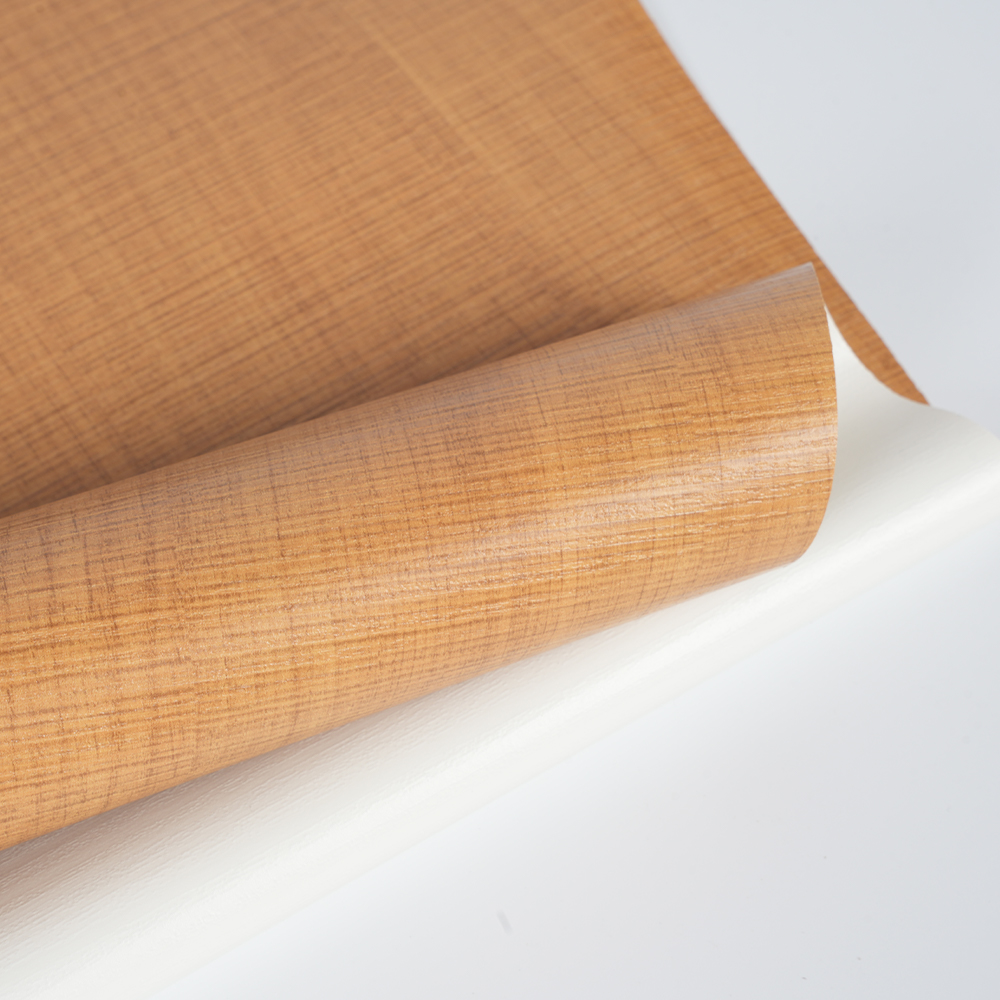
Rustic or Traditional: Films that mimic wood grains, particularly those with a visible texture, can create a warm, inviting feel.
Bold and Artistic: Explore vibrant patterns, geometric designs, or films that simulate unique materials like leather or fabric.
It's a good idea to order a small sample before committing to a large roll to see how the color and texture look in your space's lighting.
5.4 Check for Quality and Certifications
Not all PVC films are created equal. Look for reputable brands and check for quality certifications. High-quality films will have:
Strong, long-lasting adhesive.
Consistent color and pattern.
A thicker protective top layer.
Certifications like CE marking or ISO standards, which indicate the product meets certain quality and safety requirements.
5.5 Read Reviews and Testimonials
Finally, before making a purchase, read reviews from other customers. Their experiences can provide valuable insights into the film's:
Ease of installation.
True color and texture compared to the online image.
Durabiity and longevity over time.
Look for reviews that mention similar projects to yours to get a better sense of how the film will perform.
6. Step-by-Step Installation Guide
Proper installation is key to a flawless finish. Follow these steps for the best results, whether you're working with self-adhesive or non-adhesive film.
6.1 Tools and Materials Needed
Before you begin, gather the necessary tools:
PVC Decorative Film: The main material.
Tape Measure and Ruler: For precise measurements.
Utility Knife or Craft Knife: A sharp blade is essential for clean cuts.
Cutting Mat: Protects your work surface.
Squeegee or Credit Card: To smooth the film and remove air bubbles.
Heat Gun or Hair Dryer: Helps the film conform to curved surfaces and a stronger adhesive bond.
Microfiber Cloth and Cleaning Solution: To prepare the surface.
Pencil: To mark measurements.
6.2 Surface Preparation
This is the most critical step. A clean surface ensures a strong, long-lasting bond and prevents bubbling.
Clean the Surface: Thoroughly clean the surface with a degreaser or mild soap and water. Remove all dust, dirt, grease, and grime.
Smooth the Surface: Sand down any rough spots, bumps, or imperfections. Fill in any holes or cracks. The smoother the surface, the better the film will look.
Dry Completely: Ensure the surface is completely dry before you begin. Any moisture trapped underneath can cause bubbles and mold.
6.3 Measuring and Cutting the Film
Accuracy here prevents waste and ensures a professional fit.
Measure the Surface: Use your tape measure to get the exact dimensions of the area you want to cover.
Add a Margin: When cutting the film, always add a 1-2 inch margin on all sides. This gives you room for error and makes trimming easier.
Cut the Film: Place the film on your cutting mat, with the backing paper facing up. Use a ruler and pencil to mark your measurements, then carefully cut the film with your utility knife.
6.4 Applying the Film (Self-Adhesive and Non-Adhesive)
Self-Adhesive Film:
Peel Slowly: Peel back a few inches of the backing paper from one corner.
Position and Align: Carefully position the exposed adhesive edge on your surface, ensuring it is perfectly aligned.
Smooth as You Go: Slowly peel the backing paper off with one hand while using your squeegee to smooth the film down with the other. Work from the center outwards to push out air bubbles.
Non-Adhesive Film (e.g., Static Cling):
Spray Water: Lightly mist the clean glass surface with water.
Position the Film: Place the non-adhesive side of the film on the wet surface. The water acts as a temporary lubricant, allowing you to easily slide the film into position.
Squeegee Out Water: Use your squeegee to push out the water and any air bubbles from the center to the edges.
6.5 Removing Air Bubbles and Wrinkles
No matter how careful you are, some bubbles may appear.
Small Bubbles: Use the tip of your utility knife or a pin to prick the bubble and release the trapped air. Then, use your finger to smooth the area flat.
Large Bubbles/Wrinkles: Gently lift the film from the nearest edge, smooth it down again, and use your squeegee to press out the air. A heat gun or hair dryer can help make the film more pliable, especially around curves.
6.6 Trimming Excess Film
Once the film is applied, trim the excess for a clean, professional finish.
Use a Sharp Blade: Take your utility knife and carefully run it along the edges of the surface.
Final Touch: Run your squeegee over all the edges to ensure a tight, secure seal.
7. Maintenance and Care Tips
Taking proper care of your PVC decorative film will ensure it stays looking its best for years to come. A little maintenance goes a long way in preserving its appearance and longevity.
7.1 Cleaning the Film
PVC decorative film is designed to be easy to clean, but using the right method is important to avoid damage.
Regular Cleaning: For everyday dust and light dirt, a soft, dry microfiber cloth is often all you need.
Deeper Cleaning: For spills or sticky marks, use a damp cloth with a mild, non-abrasive cleaning solution, such as a mixture of warm water and a small amount of dish soap.
What to Avoid:
Harsh Chemicals: Do not use abrasive cleaners, bleach, ammonia-based products, or solvent-based cleaners. These can strip the top layer of the film, causing discoloration and damage.
Abrasive Sponges: Avoid using steel wool, scouring pads, or any other abrasive material that can scratch the surface.
7.2 Protecting from Scratches and Damage
While many films are scratch-resistant, they are not scratch-proof. Taking a few precautions can help prevent damage.
Use Coasters and Placemats: On surfaces like tables and desks, using coasters for drinks and placemats for plates will protect the film from heat and scuffs.
Avoid Sharp Objects: Be mindful of sharp objects like knives or scissors, as they can easily cut or tear the film.
Lift, Don't Drag: When moving items on a filmed surface, lift them rather than dragging them to prevent scratches.
7.3 Extending the Lifespan
With proper care, a high-quality PVC decorative film can last for many years.
Avoid Direct Sunlight: If possible, try to protect the film from prolonged, direct sun exposure, especially if it doesn't have a UV-resistant coating. This will help prevent color fading over time.
Maintain Stable Temperatures: Extreme fluctuations in temperature can cause the film to expand and contract, potentially leading to bubbling or peeling. Try to maintain a stable environment.
Quick Repairs: If a small tear or bubble appears, address it immediately. Small repairs can prevent the damage from spreading, preserving the overall look of the film.
By following these simple maintenance and care tips, you can enjoy the aesthetic benefits of PVC decorative film for a long time.
8. Common Problems and Solutions
While PVC decorative film is a user-friendly product, issues can arise during and after installation. Knowing how to troubleshoot common problems can help you achieve a professional-looking result and extend the life of your film.
8.1 Bubbling and Peeling
Bubbles and peeling are the most frequent issues, often caused by improper surface preparation or installation.
Cause: Trapped air, dust, or moisture underneath the film. If the surface wasn't clean and smooth, the film won't adhere properly.
Solution (Bubbles):
Small Bubbles: Use a fine pin or the tip of a utility knife to prick a small hole in the bubble. Then, use a squeegee to gently press the air out toward the pinhole.
Large Bubbles or Wrinkles: Gently and slowly lift the film from the nearest edge until you can smooth out the wrinkle. Use a squeegee to reapply the film, working from the center outward to prevent air from getting trapped again. A heat gun or hair dryer on a low setting can make the film more pliable and help it conform to the surface.
Solution (Peeling):
Poor Adhesion: If a corner or edge starts to peel, you can re-adhere it by carefully lifting the film and applying a bit of heat with a hair dryer to soften the adhesive before pressing it back down firmly. For persistent issues, a small amount of adhesive spray specifically designed for vinyl can be used, but this should be a last resort.
Rounded Edges: For furniture with rounded edges, heat the film with a hair dryer while applying it to make it more flexible and wrap around the curve without peeling.
8.2 Tearing and Stretching
Tearing and stretching usually happen during the application process.
Cause: Applying too much force while pulling or smoothing the film, especially if it's a thin variety. Tearing can also occur if the knife blade is dull.
Solution:
Slow and Steady: The key is to work slowly and deliberately. When peeling off the backing paper, don't pull too quickly.
Use the Right Tools: Use a high-quality, sharp utility knife. A dull blade can snag the film, causing it to tear.
Fixing Tears: For minor tears, you can sometimes mend them by overlapping a new piece of film and carefully trimming the edges to create a seamless patch. For larger tears, it's often best to remove the section and reapply a new piece of film.
8.3 Color Fading
Color fading is a long-term problem that often relates to the film's quality and its environment.Cause: Prolonged exposure to direct sunlight and UV rays. Low-quality films without a UV-resistant coating are most susceptible to this.
Solution:
Preventative Measures: When choosing a film for a sun-exposed area (like a windowsill or an outdoor piece of furniture), ensure it is specifically rated as UV-resistant.
Minimizing Exposure: If possible, try to reduce the amount of direct sun exposure. For instance, use blinds or curtains during the brightest parts of the day.
Replacement: Unfortunately, once the color has faded, it cannot be restored. The only solution is to remove the old film and reapply a new one. This is why investing in a high-quality, UV-stable film for high-light areas is a wise choice.
9. Trends in PVC Decorative Film
The world of interior design is constantly evolving, and PVC decorative film is no exception. Manufacturers and designers are continually introducing new patterns, textures, and features to meet changing consumer demands.
9.1 Popular Patterns and Colors
While classic wood grain and solid colors remain staples, new trends are emerging that reflect modern design sensibilities.
Marble and Stone Effects: Films that convincingly mimic the look of white Carrara marble, dark slate, or rustic concrete are hugely popular for countertops, tables, and accent walls. They offer a luxurious, high-end look without the weight and cost of real stone.
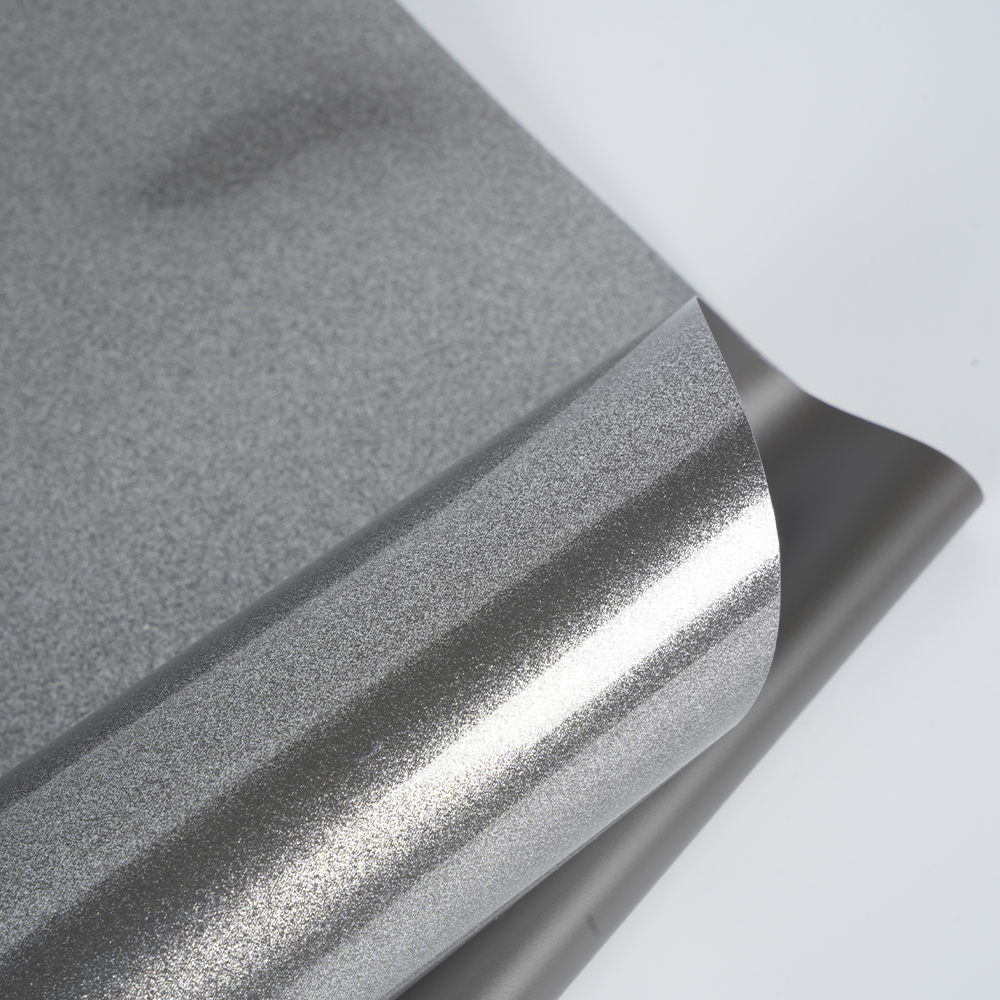
Metallic Finishes: Brushed gold, copper, silver, and matte black films are in high demand for adding a touch of industrial chic or modern elegance to furniture and décor. They are often used for cabinet hardware, appliance fronts, or as a detail on a piece of furniture.
Geometric and Abstract Patterns: Bold geometric patterns, abstract art designs, and vibrant murals are gaining popularity for creating striking accent walls and personalized spaces. These films allow for unique, artistic expression that would be difficult and expensive to achieve with paint or traditional wallpaper.
Textile and Woven Textures: Films that replicate the look and feel of woven fabrics, such as linen or tweed, are being used to add warmth and a soft, tactile element to walls and furniture.
9.2 Eco-Friendly Options
As environmental awareness grows, consumers are seeking more sustainable products. The PVC decorative film industry is responding with innovative, eco-friendly alternatives.
Recycled Materials: Some manufacturers are now using recycled PVC or other recycled plastics in their films, reducing waste and the reliance on virgin materials.
Water-Based Adhesives: Traditional adhesives can contain volatile organic compounds (VOCs). Eco-friendly films often use water-based, non-toxic adhesives that are safer for indoor use and better for the environment.
Phthalate-Free Films: Phthalates are chemicals often used to make PVC flexible. Concerns about their health effects have led to the development of phthalate-free films, which are a safer choice for homes, especially in children's rooms and kitchens.
9.3 Innovative Applications
The versatility of PVC decorative film is leading to its use in increasingly creative ways.
Customization and Personalization: The ability to custom-print designs onto PVC film is opening up a world of personalization. Companies can print logos and branding for office interiors, while homeowners can create one-of-a-kind art installations or photo walls.
Appliance Wraps: Instead of buying a new refrigerator or dishwasher, people are using PVC films to wrap and transform them. This allows for a completely new look, such as a matte black or stainless steel finish, at a fraction of the cost of a new appliance.
Automotive and Marine Wraps: While not exclusively a decorative film, the principles of PVC film are used in vehicle wraps. This application is a testament to the material's durability, weather resistance, and ability to conform to complex curves.
10. Conclusion
10.1 Recap of Benefits and Uses
PVC decorative film offers a powerful combination of cost-effectiveness, versatility, and ease of use that makes it a popular choice for both DIY enthusiasts and professional designers. It provides a simple and affordable way to refresh surfaces without the mess, time, and expense of traditional renovations. From transforming kitchen cabinets to creating stunning accent walls, its applications are nearly limitless. The wide range of available designs, from realistic wood grains to modern metallic finishes, ensures there's a film to suit any style. Its durability, water resistance, and low-maintenance nature further add to its appeal, making it a practical and long-lasting solution for a wide range of surfaces.
10.2 Future of PVC Decorative Film
The future of PVC decorative film looks promising as the market is expected to continue its growth. Key drivers include a rising consumer preference for customized and visually appealing interiors, along with an increasing focus on sustainable and eco-friendly materials. The industry is responding to these trends with a focus on innovation. This includes:
Technological Advancements: Continued improvements in printing and coating technologies will enhance the durability and design versatility of films, with features like enhanced UV resistance, scratch protection, and anti-fingerprint properties.
Eco-Friendly Solutions: Manufacturers are developing recyclable and phthalate-free films using water-based adhesives to minimize environmental impact and address health concerns.
Expansion of Applications: The use of PVC films is expanding beyond traditional furniture and walls into new areas like automotive interiors and appliance wraps, showcasing its adaptability and growing appeal.
Ultimately, the future of this material lies in its ability to combine design flexibility with sustainable practices, ensuring it remains a leading choice for modern, efficient, and personalized renovations.
PREV:Embossed PVC Film: Properties, Applications, and ManufacturingNEXT:Wood Grain PVC Decorative Film: Transforming Surfaces with Style and Durability
Interested in cooperation or have questions?
Media
-
-
1. Introduction to PVC Decorative Film 1.1 What is PVC Decorative Film? PVC decorative film, also known as vinyl film or PVC foil, is a thin, flexible...
READ MORE -
Introduction — Wood Grain PVC Decorative Film Overview and Market Positioning Wood Grain PVC Decorative Film has emerged as a versatile and innovative...
READ MORE


 +86-13855983898 +86-0559-3588289
 No. 41, Yongjia Avenue, Huizhou District, Huangshan City, Anhui Province, China
Copyright © Huangshan Hengying Industrial Co., Ltd. All Rights Reserved.