

 English
 русский
 عربى
عربى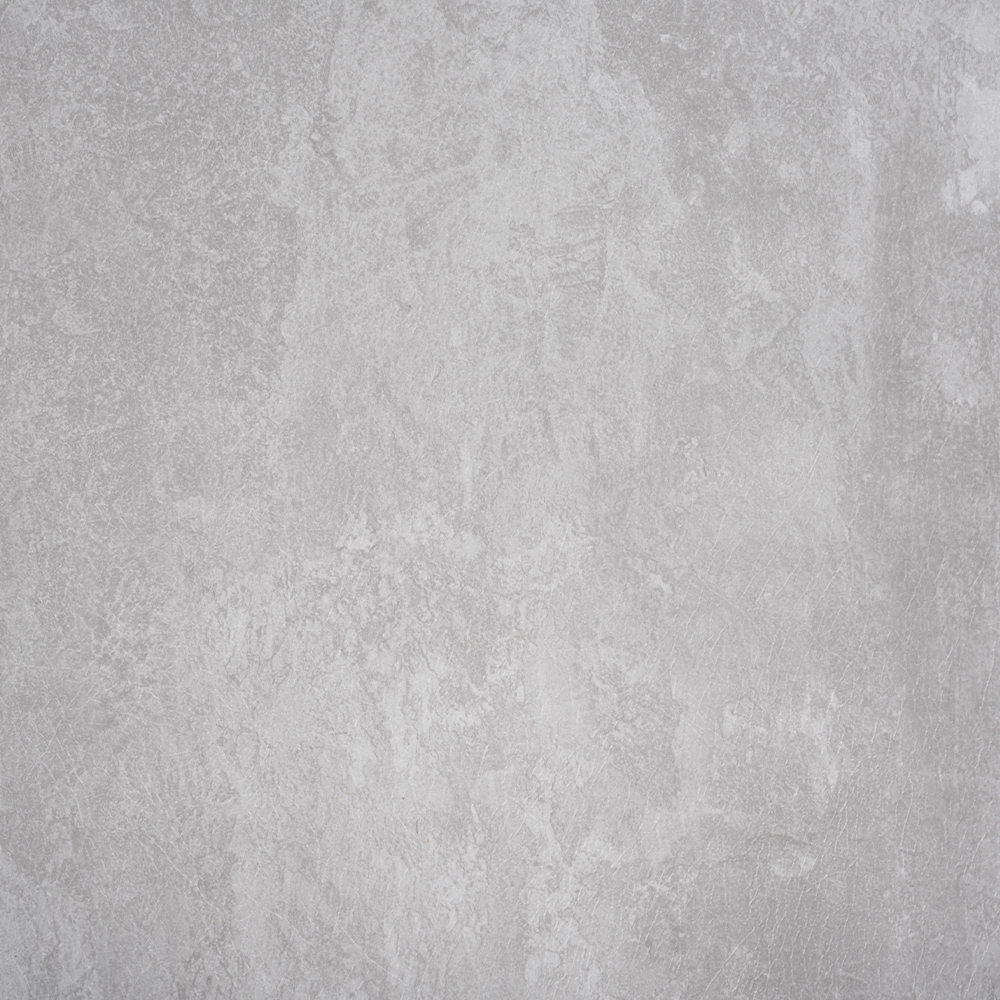
Introduction to Embossed PVC Film 1.1 Brief Overview of PVC (Polyvinyl Chloride) and Its Properties Polyvinyl chloride (PVC) is one of the most widely...
READ MORESmooth Surface PVC Decorative Film: The Marble Pattern Alternative That Outperforms Real Stone"
Content
- 1 What Sets Smooth Surface PVC Decorative Film Apart from Other Finishes
- 2 Marble Pattern Film: Achieving Natural Stone Realism Without the Weight or Cost
- 3
- 4 Waterproof and Moisture-Proof Performance in Kitchens and Bathrooms
- 5 Color Stability and Fade Resistance: What Makes Smooth PVC Film Last
- 6 Cost Comparison: PVC Decorative Film Against Solid Wood, Lacquer, and Stone
- 7 Customization Options: Textures, Colors, and Pattern Matching for Any Design Brief
What Sets Smooth Surface PVC Decorative Film Apart from Other Finishes
PVC decorative film with a smooth surface occupies a distinct position in the surface finishing market — one defined not just by its appearance but by the engineering behind its consistency. Unlike matte or embossed film variants, smooth surface PVC is produced through a precisely controlled calendering or casting process that eliminates microscopic texture variation across the sheet. The result is a surface with a uniform gloss level, an even texture, and colors that remain visually stable without the clouding, yellowing, or orange peel effect that plagues lower-grade laminate and paint alternatives.
The optical clarity of the smooth surface also enhances the perceived depth and realism of printed patterns beneath it. Whether the substrate print replicates a marble pattern, solid color, or wood grain, the absence of surface irregularities allows light to reflect cleanly from the film without scattering — giving the decoration a sharp, high-fidelity appearance that closely resembles the natural material it references. This is particularly important for marble-effect applications, where vein definition and tonal gradation are what make the finish convincing rather than synthetic-looking.
Marble Pattern Film: Achieving Natural Stone Realism Without the Weight or Cost
Natural marble is among the most visually prestigious surface materials available, but its practical limitations — high weight, susceptibility to staining and etching, significant installation cost, and the need for periodic sealing — make it impractical for many residential and commercial applications. PVC decorative film with a marble pattern addresses every one of these drawbacks while delivering a surface appearance that, when produced at high resolution with a glossy smooth surface topcoat, is indistinguishable from real stone at normal viewing distances.
The realism of modern marble pattern PVC film comes from gravure or digital printing technologies capable of reproducing vein structures, color transitions, and tonal depth at resolutions exceeding 150 lines per centimeter. Premium-grade films layer this print beneath a transparent PVC wear layer of 0.15–0.30 mm thickness, which provides the glossy smooth surface finish while protecting the printed pattern from abrasion and UV exposure. The combination means the marble pattern remains crisp and unfaded even on high-contact surfaces such as cabinet doors, tabletops, and wall panels — applications where real marble would require constant maintenance.
Popular Marble Pattern Styles and Their Interior Applications
| Marble Pattern Style | Color Profile | Recommended Application | Interior Style Match |
|---|---|---|---|
| Carrara White | White base, soft grey veins | Kitchen cabinet doors, bathroom vanities | Minimalist, Scandinavian |
| Emperador Dark | Deep brown, gold veining | Feature wall panels, countertop wraps | Luxury, traditional |
| Calacatta Gold | White base, bold gold veins | Furniture wrapping, retail display surfaces | Contemporary, high-end commercial |
| Black Marquina | Deep black, white veining | Accent panels, door skins | Industrial, modern contrast |
| Beige Travertine | Warm beige, subtle texture lines | Living room wall cladding, wardrobe panels | Mediterranean, warm contemporary |
Waterproof and Moisture-Proof Performance in Kitchens and Bathrooms
One of the most compelling practical advantages of PVC decorative film is its inherent impermeability to water. PVC (polyvinyl chloride) is a closed-cell polymer that does not absorb moisture, swell, or delaminate when exposed to water splashing, steam, or sustained humidity — the exact conditions that cause natural wood veneer, MDF with paper foil, and lacquered finishes to fail prematurely in kitchens and bathrooms. When applied correctly to substrate panels, the film creates a continuous barrier that prevents moisture ingress at the surface level, protecting both the decorative layer and the underlying board from water damage.
The smooth surface finish amplifies this advantage in practical use. Because there are no surface pores, embossed grooves, or texture recesses for water to collect in, bathroom cabinet fronts and kitchen splashback panels wrapped in smooth PVC film are genuinely easy to keep hygienic. A single pass with a damp cloth removes water marks, grease splatter, and soap residue completely, without the need for abrasive cleaners or specialist products that can damage other surface types. For households with high hygiene standards — or commercial kitchens subject to food safety regulations — this cleanability is a significant functional benefit, not merely a convenience.
It is important to note that while the film surface itself is fully waterproof, installation quality determines whether the overall assembly performs as expected in humid environments. Edges and cut sections of the substrate panel must be properly sealed with edge banding or end caps to prevent moisture from wicking into the board core at exposed cross-sections, particularly for MDF substrates. When installed with proper edge treatment, PVC decorative film panels reliably outperform painted or veneered alternatives in humid room applications over a 10–15 year service life.
Color Stability and Fade Resistance: What Makes Smooth PVC Film Last
Color stability over time is one of the most common concerns when specifying any decorative surface film, and it is an area where the quality gap between product tiers is wide. Premium PVC decorative film incorporates UV-stabilizing additives in the transparent wear layer that absorb and dissipate ultraviolet radiation before it reaches the printed ink layer beneath. This prevents the photodegradation reactions that cause colors to shift, fade, or develop a chalky appearance over years of light exposure.
The smooth surface construction contributes to color stability in a less obvious way: its uniform reflectance means that the perceived color of the film does not vary significantly with viewing angle or lighting condition. Embossed or textured films create micro-shadows within their surface relief that can make colors appear darker or uneven — an effect that becomes more pronounced as the surface texture wears unevenly in high-contact zones. The smooth surface eliminates this variable, ensuring that a marble pattern or solid color looks the same on day one as it does after five years of normal use, provided the film itself has adequate UV protection.
Buyers evaluating PVC decorative films for longevity should request accelerated weathering test data — specifically results from QUV or Xenon arc testing — from suppliers. A high-quality smooth surface film should demonstrate color change (ΔE) of less than 1.5 after 500 hours of accelerated UV exposure, which corresponds to several years of real-world indoor use under typical window light conditions. Films without documented UV test data carry a higher risk of visible fading within 2–3 years in south-facing rooms or in commercial spaces with strong artificial lighting.
Cost Comparison: PVC Decorative Film Against Solid Wood, Lacquer, and Stone
PVC decorative film delivers its most compelling value proposition when compared directly to the traditional finishing alternatives it replaces. The cost differential is substantial — and the performance comparison is more favorable to PVC film than most buyers initially expect.
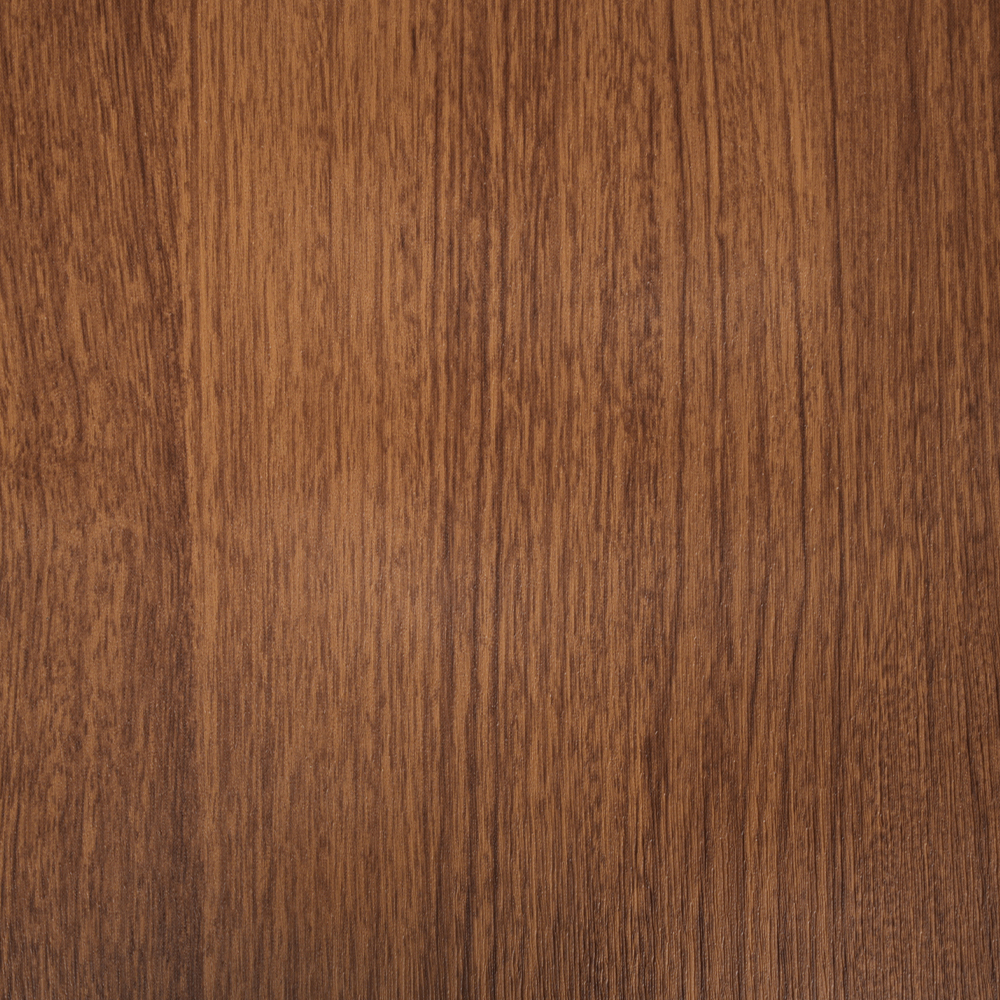
- Versus solid wood: Solid wood cabinet fronts and panels cost 4–8× more per square meter than PVC film-wrapped board, require periodic re-oiling or re-lacquering, and are susceptible to warping and cracking in humid environments. PVC decorative film on MDF or plywood achieves a comparable visual result in wood grain patterns at a fraction of the material and maintenance cost.
- Versus spray lacquer finishes: High-gloss lacquered panels require spray booth application, extended curing times, and skilled labor — all of which drive up unit cost. They are also prone to chipping at edges and yellowing over time under UV exposure. Smooth surface PVC film achieves a comparable high-gloss appearance with a significantly simpler lamination process and better long-term color stability.
- Versus natural stone: Natural marble slabs for kitchen countertops or wall cladding cost 10–20× more per square meter than marble pattern PVC decorative film, require professional installation, and need annual sealing to prevent staining. PVC film marble pattern panels can be cut, wrapped, and installed with standard woodworking tools, and require no sealing or specialist maintenance.
- Versus paper foil laminate: Paper foil is the closest cost competitor to PVC film, but it lacks waterproof performance and is far more susceptible to edge swelling and surface wear. In any application with moisture exposure, smooth surface PVC decorative film outperforms paper foil decisively over a 3–5 year horizon, making its slightly higher upfront cost cost-effective over the product's full service life.
Customization Options: Textures, Colors, and Pattern Matching for Any Design Brief
One of the structural advantages of PVC decorative film as a product category is the breadth of customization it supports without significant cost or lead time penalties. Because the decorative layer is digitally or gravure-printed before lamination, pattern libraries can be large — often exceeding 500 SKUs for a full-range supplier — and custom designs can be produced at relatively modest minimum order quantities compared to custom lacquer or veneer programs.
For projects requiring a specific marble pattern to coordinate with existing tile, countertop, or flooring materials, color-matching services are available from specialist PVC film manufacturers. A reference sample of the natural stone or existing surface is submitted, and the film printer calibrates ink formulations and print resolution to achieve a ΔE of 2.0 or less against the reference — close enough that the film and the natural material read as a matched pair in the finished installation. This capability is particularly valuable in renovation projects where new cabinetry must visually integrate with retained natural stone surfaces.
Beyond the marble pattern and wood grain categories, smooth surface PVC decorative film is equally effective for solid-color applications. Solid colors benefit most from the smooth surface construction because any surface irregularity is far more visible on a uniform color field than on a patterned design. The even texture and consistent gloss level of smooth PVC film ensures that solid white, anthracite, or pastel tones appear flat and uniform across large panel surfaces — a standard that painted finishes struggle to maintain consistently across batch production.
Interested in cooperation or have questions?
Media
-
-
1. Introduction to PVC Decorative Film 1.1 What is PVC Decorative Film? PVC decorative film, also known as vinyl film or PVC foil, is a thin, flexible...
READ MORE -
Introduction — Wood Grain PVC Decorative Film Overview and Market Positioning Wood Grain PVC Decorative Film has emerged as a versatile and innovative...
READ MORE


 +86-13855983898 +86-0559-3588289
 No. 41, Yongjia Avenue, Huizhou District, Huangshan City, Anhui Province, China
Copyright © Huangshan Hengying Industrial Co., Ltd. All Rights Reserved.