

 English
 русский
 عربى
عربى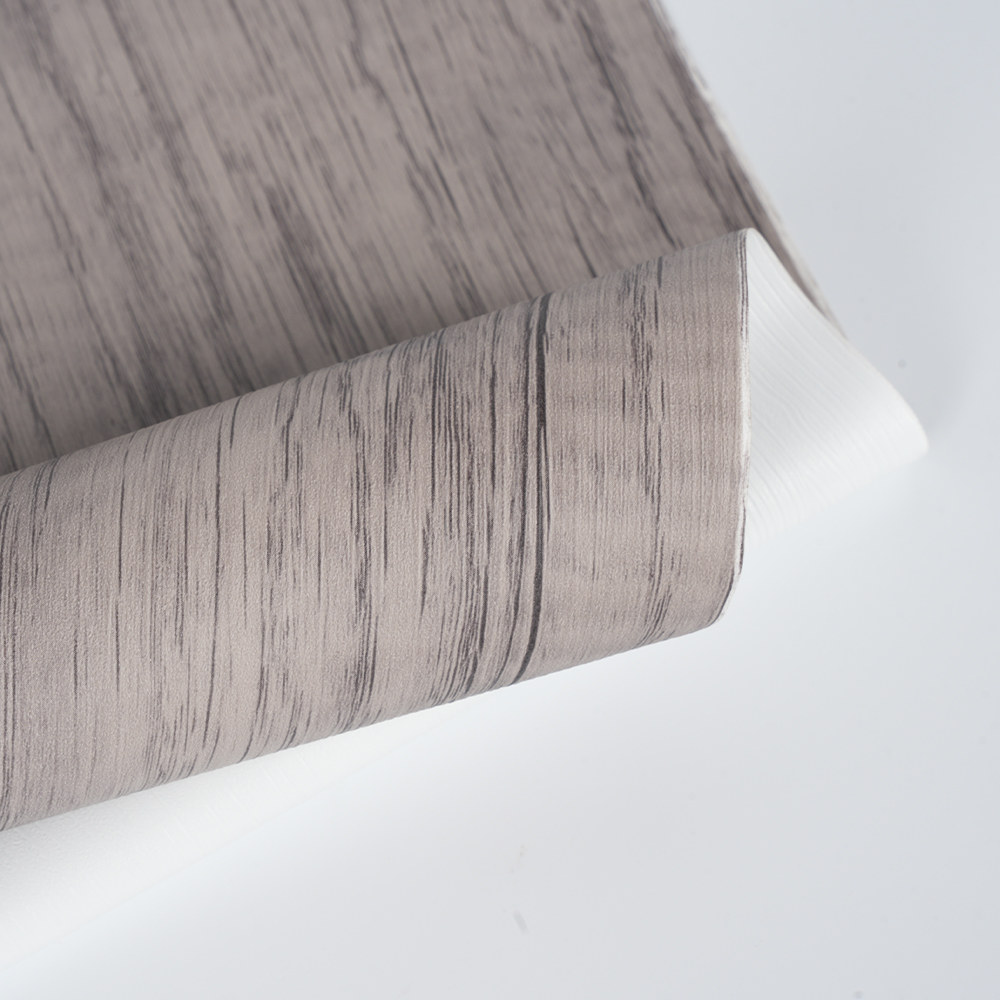
Introduction to Embossed PVC Film 1.1 Brief Overview of PVC (Polyvinyl Chloride) and Its Properties Polyvinyl chloride (PVC) is one of the most widely...
READ MOREWhy Indoor PVC Film is the Easiest Way to Refresh Your Furniture
Content
What Exactly is Indoor PVC Film?
Indoor PVC Film, also known as decorative vinyl foil, is a versatile surfacing material used to give furniture, cabinets, and wall panels a high-quality finish. Made from polyvinyl chloride, this film is engineered specifically for interior environments where aesthetic variety and surface protection are priorities. Unlike paint, which can chip or fade, these films are extruded to provide a consistent color and texture across large surfaces. They are available in a massive array of finishes, ranging from realistic wood grains and marble textures to modern matte or high-gloss solid colors. Because it is flexible, the film can be applied to flat surfaces as well as complex, curved edges using heat and vacuum pressure.
The Science of Surface Adhesion
The effectiveness of interior PVC decorative film lies in its multi-layer construction. The top layer usually features a protective coating that resists scratches and UV light, while the base layer is designed to bond with various adhesives. When used in industrial settings, it is often applied using a vacuum membrane press or a flat laminating machine. For DIY home projects, a self-adhesive version is common. Regardless of the application method, the film creates a non-porous seal over the substrate—usually MDF or particle board—protecting the core from moisture and everyday wear.
Practical Benefits of Using PVC Film Indoors
Choosing Indoor PVC Film over natural wood veneers or high-pressure laminates (HPL) offers several constructive advantages. First and foremost is the cost-to-aesthetic ratio; you can achieve the look of expensive ebony or Italian marble at a fraction of the price. Furthermore, PVC is inherently waterproof and oil-resistant, making it the superior choice for high-traffic areas like kitchens and bathrooms. It doesn’t require the periodic staining or sealing that real wood does, and it won't harbor bacteria due to its smooth, easy-to-clean surface.
Comparison: PVC Film vs. Traditional Paint
When deciding how to finish a set of cabinets or a wardrobe, manufacturers and homeowners often weigh the pros and cons of vinyl film versus industrial spray painting. The table below highlights why film is often the more practical industrial choice.
| Feature | Indoor PVC Film | Spray Paint / Lacquer |
| Texture Variety | Deep Embossing (Wood/Stone) | Smooth Only |
| Durability | High Scratch Resistance | Prone to Chipping |
| Water Resistance | Excellent / Waterproof | Moderate (Moisture can seep) |
| Maintenance | Wipe Clean | May require touch-ups |
Key Applications in Modern Interior Design
The flexibility of Indoor PVC Film has made it a staple in contemporary home design. In the kitchen, it is the primary material used for "wrap" doors, providing a seamless edge that prevents steam from de-laminating the corners of the cabinets. In the living room, it is used for feature wall panels and TV background boards to create high-end visual interest without the weight of heavy stone or timber. Additionally, many modern office desks and commercial shop fittings use high-grade PVC film because it can withstand the heavy impact of daily use while maintaining a professional appearance.
Tips for Long-Lasting Application
- Surface Preparation: Ensure the substrate is completely free of dust and grease before applying the film.
- Heat Control: When applying film to curves, use a heat gun carefully to soften the vinyl without melting it.
- Avoid Harsh Chemicals: Clean with mild soap and water only; avoid solvents that could dissolve the top protective layer.
- Edge Sealing: For bathroom use, ensure edges are properly sealed to prevent water from getting behind the film.
Maintenance and Sustainable Care
One of the most appealing aspects of Indoor PVC Film is that it is incredibly low-maintenance. Unlike real wood, which can dry out and crack if not oiled, PVC remains stable in various humidity levels. For daily cleaning, a soft microfiber cloth and a gentle detergent are all that is needed to remove fingerprints and dust. Because it is non-porous, it is also highly resistant to stains from common household spills like coffee or wine. For the eco-conscious, many manufacturers are now producing phthalate-free and lead-free PVC films, ensuring that your home environment remains safe while still benefiting from the durability of synthetic materials.
In summary, Indoor PVC Film is a constructive solution for anyone looking to combine style with stamina. Its ability to mimic expensive materials while providing a waterproof, easy-to-clean surface makes it an indispensable tool for both professional furniture manufacturers and creative home decorators.
PREV:PVC Decor Film: What It Is, Where It's Used, and How to Choose the Right OneNEXT:Outdoor PVC Film: What It’s Used For and How to Choose the Right One
Interested in cooperation or have questions?
Media
-
-
1. Introduction to PVC Decorative Film 1.1 What is PVC Decorative Film? PVC decorative film, also known as vinyl film or PVC foil, is a thin, flexible...
READ MORE -
Introduction — Wood Grain PVC Decorative Film Overview and Market Positioning Wood Grain PVC Decorative Film has emerged as a versatile and innovative...
READ MORE


 +86-13855983898 +86-0559-3588289
 No. 41, Yongjia Avenue, Huizhou District, Huangshan City, Anhui Province, China
Copyright © Huangshan Hengying Industrial Co., Ltd. All Rights Reserved.