

 English
 русский
 عربى
عربىIntroduction to Embossed PVC Film 1.1 Brief Overview of PVC (Polyvinyl Chloride) and Its Properties Polyvinyl chloride (PVC) is one of the most widely...
READ MOREWhat are some common architectural uses for PVDF film?
In modern architecture, materials are not just about structure; they're about performance, aesthetics, and longevity. This is where PVDF decorative film has emerged as a game-changer, providing a durable and versatile solution that goes far beyond traditional paints and coatings.
PVDF, or polyvinylidene fluoride, is a high-performance fluoropolymer known for its exceptional resistance to UV radiation, weathering, chemicals, and abrasion. When applied as a film, it creates a robust, protective layer that maintains its color and gloss for decades, making it ideal for exterior architectural applications.
Content
Facades and Cladding
The most common use of PVDF film is on building facades and cladding. In a world where a building's exterior is its first impression, architects use PVDF decorative film to ensure that the vibrant colors and sleek finishes they design remain pristine over time. The film protects the underlying metal panels (typically aluminum or steel) from the damaging effects of sunlight, acid rain, and urban pollution. This not only preserves the building's aesthetic appeal but also significantly reduces long-term maintenance costs.
Metal Roofing
Metal roofing is a popular choice for its durability and energy efficiency, but it needs robust protection to withstand constant exposure to the elements. PVDF film is the perfect solution. It provides an impenetrable barrier against UV rays, prevents color fading, and resists chalking (a powdery degradation of the surface). Furthermore, the film's smooth surface is naturally "self-cleaning," as dirt and grime are easily washed away by rain, keeping the roof looking new for longer.
Architectural Membranes and Structures
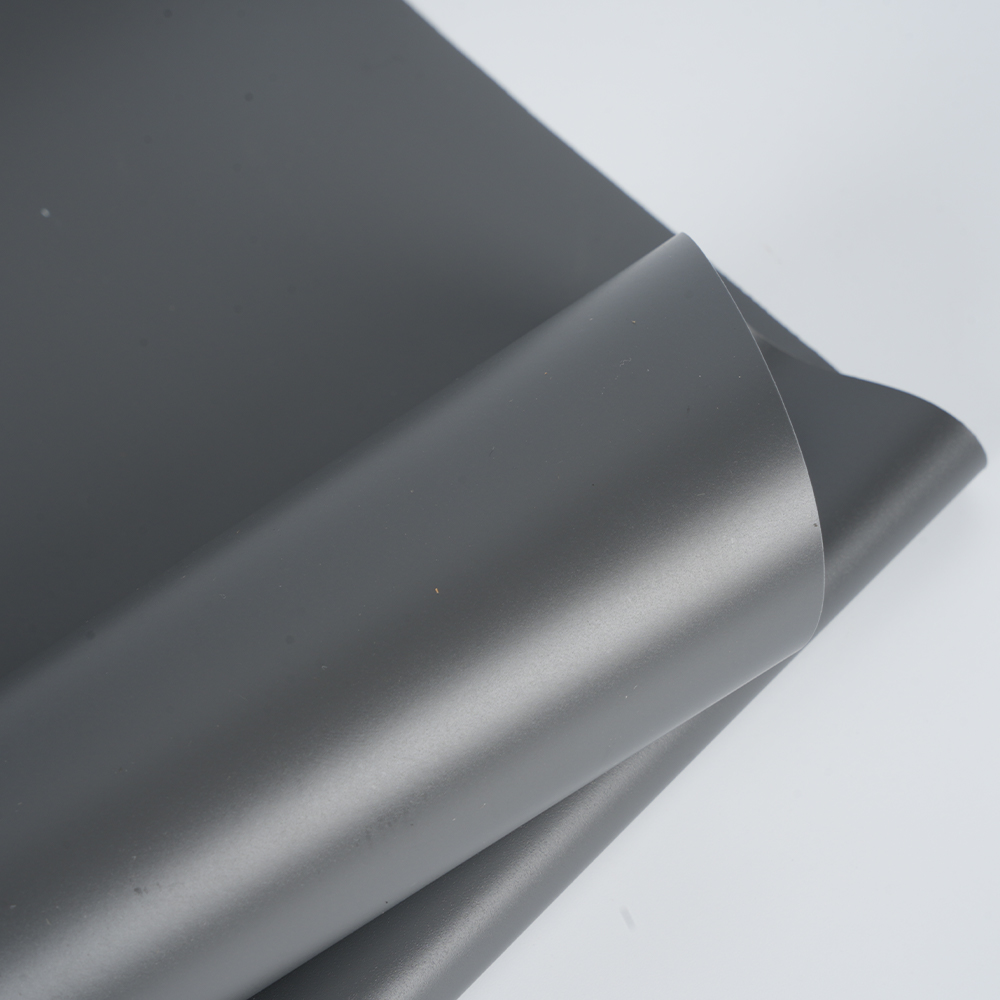
For projects like stadiums, canopies, and convention centers, architects often use tensile membrane structures. PVDF film is frequently used as a topcoat on these high-strength fabric materials. This application provides excellent weatherability and dirt-shedding properties, extending the life of the structure and ensuring it maintains its clean, striking appearance. The use of PVDF films on these membranes allows for large, creative designs that would be difficult to achieve with traditional building materials, offering a cost-effective alternative to heavy steel structures.
Window Frames, Curtain Walls, and Interior Surfaces
Beyond large-scale exterior applications, PVDF film is also used to protect and finish smaller architectural elements. It is an excellent choice for aluminum window frames and curtain walls, where its resistance to corrosion and fading is a major benefit.
In some cases, PVDF decorative film is also used on interior surfaces that require a high degree of durability and cleanliness. Because it's resistant to stains and easy to clean, it's a great option for high-traffic areas or environments that demand strict hygiene, like hospitals and laboratories.
The versatility and proven performance of PVDF film have cemented its place as a top choice for architects and designers looking for a material that combines lasting beauty with unparalleled protection. It allows for the realization of ambitious designs that will endure for years, standing up to the toughest environmental challenges.
PREV:The Innovator of Space Aesthetics: Indoor PVC Decorative FilmNEXT:How is embossed PVC film made?
Interested in cooperation or have questions?
Media
-
-
1. Introduction to PVC Decorative Film 1.1 What is PVC Decorative Film? PVC decorative film, also known as vinyl film or PVC foil, is a thin, flexible...
READ MORE -
Introduction — Wood Grain PVC Decorative Film Overview and Market Positioning Wood Grain PVC Decorative Film has emerged as a versatile and innovative...
READ MORE


 +86-13855983898 +86-0559-3588289
 No. 41, Yongjia Avenue, Huizhou District, Huangshan City, Anhui Province, China
Copyright © Huangshan Hengying Industrial Co., Ltd. All Rights Reserved.