

 English
 русский
 عربى
عربىIntroduction to Embossed PVC Film 1.1 Brief Overview of PVC (Polyvinyl Chloride) and Its Properties Polyvinyl chloride (PVC) is one of the most widely...
READ MOREHow is embossed PVC film made?
Embossed PVC film is a versatile and widely used material, prized for its durability, aesthetic appeal, and cost-effectiveness. The process of giving this film its textured surface is a fascinating blend of chemical engineering and mechanical precision. Understanding how Embossed PVC Film is made offers insight into its unique properties and broad applications. The manufacturing process can be broken down into three primary stages: compounding, calendering, and embossing.
Stage 1: Compounding - The Foundation
Before any film is made, the raw materials must be carefully prepared. The primary component is polyvinyl chloride (PVC) resin, which is a fine, white powder. This resin alone is not suitable for film production; it must be mixed with various additives to create a robust and flexible compound. These additives include plasticizers, which make the material pliable and soft; stabilizers, which prevent thermal degradation during processing; lubricants, which reduce friction; and pigments, which give the film its desired color.
This mixture is fed into a high-speed mixer, where the components are blended thoroughly under controlled temperatures. The result is a homogenous, dry blend that is the foundational material for the Embossed PVC Film.
Stage 2: Calendering - Forming the Film
Calendering is the core process of forming the film from the PVC compound. The dry blend is fed into a series of heated, rotating steel rollers, known as a calender stack.
-
Melting: The compound first enters the top rollers, which are heated to a high temperature. Here, the material melts and is squeezed into a thick, continuous sheet.
-
Thinning: The sheet then passes through a succession of rollers that are progressively closer together. This action gradually thins the sheet to the precise thickness required for the final product, which can range from a few micrometers to several millimeters.
-
Cooling: After achieving the desired thickness, the hot film moves over cooling rollers. These rollers use cold water to rapidly cool the film, solidifying its structure and preventing it from deforming. This smooth, untextured sheet is now ready for the final step.
Stage 3: Embossing - Creating the Texture
This is the stage that defines the Embossed PVC Film. The cooled, untextured film is fed directly into a separate set of heated rollers. One of these rollers, known as the "embossing roll," has a pattern engraved onto its surface.
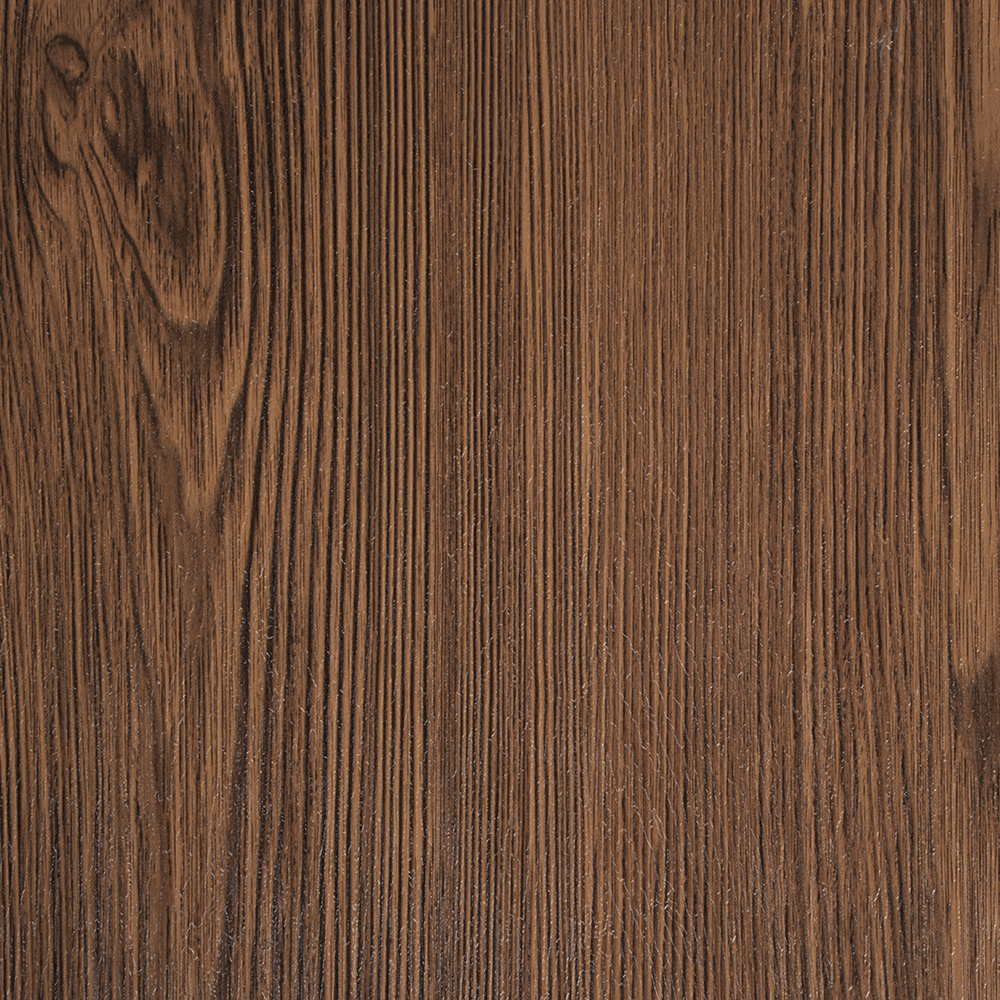
As the PVC film passes between the embossing roll and a soft rubber pressure roll, the combination of heat and pressure transfers the precise pattern from the metal roller onto the surface of the film. The pattern can be anything from a woodgrain or leather texture to geometric or abstract designs.
The key to successful embossing is a tight control over temperature, pressure, and speed. If the temperature is too low, the pattern won't be impressed properly. If it's too high, the film may deform or stick to the rollers. Similarly, the pressure must be just right to ensure a deep, uniform texture without damaging the film's integrity.
After the embossing process, the film is cooled one final time to set the pattern permanently. It is then trimmed to the correct width and wound onto large rolls, ready to be cut into sheets or sold for various applications.
The entire process, from compounding to final winding, is a continuous and automated operation, ensuring consistent quality and high production efficiency. This sophisticated manufacturing technique is what makes Embossed PVC Film a go-to material for a wide range of industries, from furniture and construction to automotive and packaging.
PREV:What are some common architectural uses for PVDF film?NEXT:Everything You Need to Know About Marble PVC Film
Interested in cooperation or have questions?
Media
-
-
1. Introduction to PVC Decorative Film 1.1 What is PVC Decorative Film? PVC decorative film, also known as vinyl film or PVC foil, is a thin, flexible...
READ MORE -
Introduction — Wood Grain PVC Decorative Film Overview and Market Positioning Wood Grain PVC Decorative Film has emerged as a versatile and innovative...
READ MORE


 +86-13855983898 +86-0559-3588289
 No. 41, Yongjia Avenue, Huizhou District, Huangshan City, Anhui Province, China
Copyright © Huangshan Hengying Industrial Co., Ltd. All Rights Reserved.