

 English
 русский
 عربى
عربىIntroduction to Embossed PVC Film 1.1 Brief Overview of PVC (Polyvinyl Chloride) and Its Properties Polyvinyl chloride (PVC) is one of the most widely...
READ MOREWaterproof Wood Grain Film for Cabinets: Performance, Selection & Application Guide
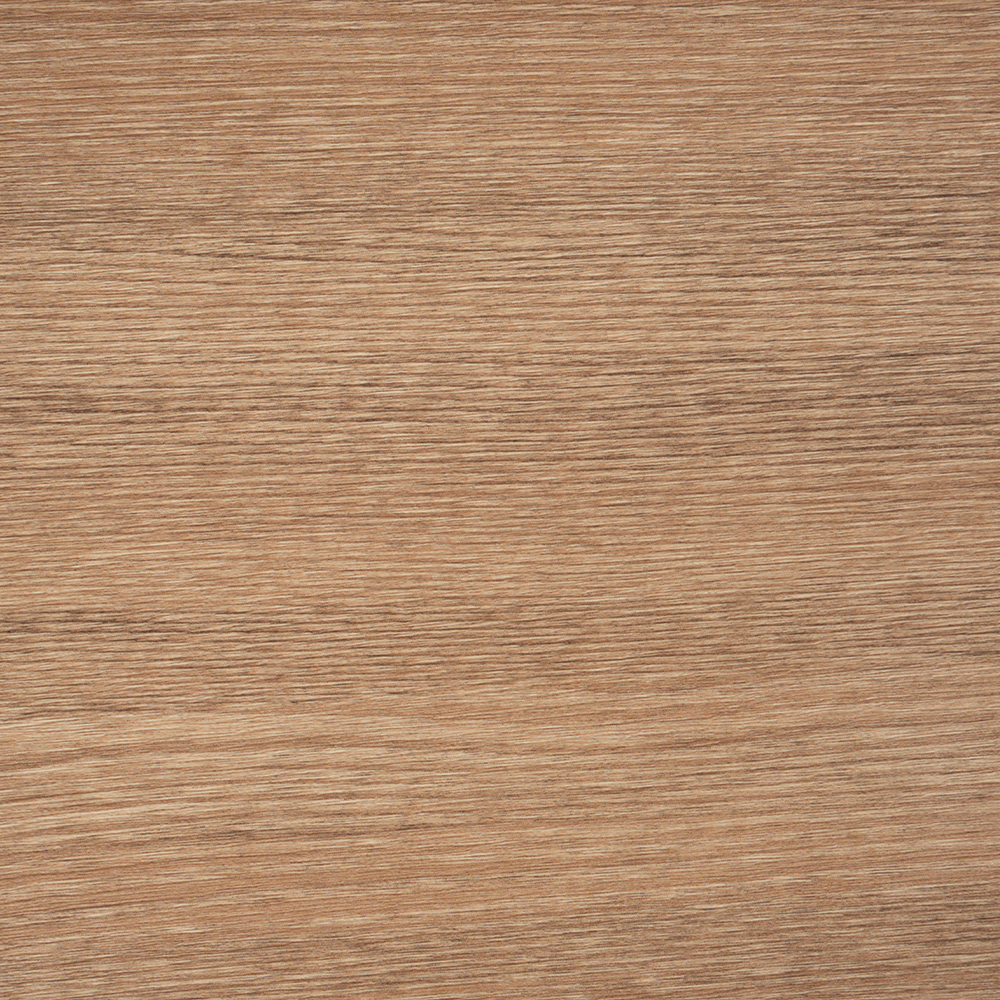
Kitchen and bathroom cabinets live in the harshest indoor environments a decorative surface can face: steam from cooking, splashes from washing, cleaning chemicals wiped daily, and doors opened hundreds of times a year. Real wood veneers swell, warp, and delaminate under these conditions. Painted MDF chips at edges. Waterproof wood grain film for cabinets was developed specifically to close this gap — delivering the warmth and visual depth of natural wood on a substrate that refuses to absorb moisture, cloud under humidity, or surrender its surface to daily wear. This article explains how that performance is achieved, what to look for when specifying the film, and how it applies to the full range of cabinet surfaces.
Content
- 1 Why Cabinets Demand a Waterproof Surface Film
- 2 How Waterproofing Is Built Into the Film Structure
- 3 Cabinet Applications: Where Waterproof Wood Grain Film Performs Best
- 4 Scratch and Wear Resistance: The Other Half of Cabinet Durability
- 5 Wood Species and Texture Options for Cabinet Design
- 6 Application Process: From Roll to Finished Cabinet Surface
- 7 Daily Maintenance: What Waterproof Film Requires
Why Cabinets Demand a Waterproof Surface Film
Moisture is the primary enemy of any cabinet surface. In kitchens, steam from boiling water and dishwashers raises ambient humidity repeatedly throughout the day. In bathrooms, shower and bath use creates prolonged high-humidity cycles. Even well-ventilated spaces accumulate condensation on cool cabinet surfaces during these cycles, and any surface material that is not inherently moisture-resistant will eventually show the effects: swelling at edges, bubbling of the film layer, mold growth at seams, or outright delamination of the substrate.
Standard wood veneer addresses none of these risks. It requires sealing to survive even moderate moisture exposure, and the seal degrades over time. Melamine-faced boards resist moisture better but have limited design flexibility and can chip. Waterproof wood grain PVC decorative film addresses the problem structurally: the PVC base is inherently non-hygroscopic, meaning it does not absorb water at the molecular level. Moisture that contacts the surface stays on the surface, where it can be wiped away. It does not penetrate, does not reach the substrate, and does not trigger swelling or mold growth within the film itself.
This is why ordinary wood grain PVC decorative film has become the standard surfacing solution for furniture manufacturers producing cabinet lines aimed at kitchens, bathrooms, and other high-humidity residential environments.
How Waterproofing Is Built Into the Film Structure
A high-quality waterproof wood grain film is a multi-layer construction, and each layer contributes to moisture resistance:
- PVC base layer: The foundation of the film is a calendered polyvinyl chloride substrate. PVC is chemically inert to water — it neither swells nor reacts with moisture, even under prolonged immersion. This layer provides the structural backbone and gives the film its moisture-proof character.
- Printed wood grain layer: High-definition gravure printing applies the wood texture and color. Modern printing cylinders can resolve textures at resolutions that replicate the grain variation, knot patterns, and color depth of species including oak, walnut, ash, pine, and mahogany. The inks used are sealed within the lamination stack, preventing them from being affected by surface moisture or cleaning agents.
- Wear-resistant top coat: A transparent protective layer — typically a UV-cured or EB-cured coating — is applied over the printed layer. This coating provides scratch resistance, chemical resistance to household cleaners, and gloss or matte control. It also seals the printed layer against any moisture that might otherwise reach it through surface abrasion over time.
The result is a film that water cannot penetrate at any layer. Edges are the only vulnerability — if film edges are left unsealed or if the film delaminates at a corner, moisture can track behind the film to the substrate. Proper installation technique, including edge sealing and careful handling of corners, eliminates this risk.
Cabinet Applications: Where Waterproof Wood Grain Film Performs Best
The film is applicable to all standard cabinet components, but the performance advantages are most significant in specific locations.
Kitchen cabinet door fronts are the highest-exposure surface in any cabinet installation. They face direct steam from cooktops, splashes from sinks, and constant hand contact that transfers oils, food residues, and moisture. A waterproof wood grain film with a chemical-resistant top coat on these surfaces means the cabinet can be wiped down with standard kitchen cleaners without any concern for surface degradation. The film also resists the yellowing that affects some painted finishes under prolonged heat and light exposure.
Bathroom vanity fronts and side panels face the longest and most consistent humidity exposure of any residential cabinet. A bathroom is often sealed and steamy for twenty minutes or more per use, multiple times a day. Cabinet surfaces in this environment must tolerate not just liquid moisture but high relative humidity sustained over long periods. PVC-based film does not respond to either condition.
Base cabinet interiors — the inside surfaces of sink base cabinets, in particular — are frequently exposed to leaked water, condensation from cold pipes, and cleaning runoff. Applying waterproof wood grain film to interior panels in these locations protects the substrate from the most damaging exposure a cabinet interior faces.
For furniture manufacturers building complete cabinet ranges, indoor PVC decorative film applied consistently to all visible and semi-visible surfaces creates a cohesive appearance while delivering uniform protection across the entire piece.
Scratch and Wear Resistance: The Other Half of Cabinet Durability
Waterproofing addresses moisture failure, but cabinet surfaces also face mechanical damage: the scratch of a ring against a door front, the impact of a pot handle against a cabinet side, the abrasion of daily cleaning with a textured cloth. A film that resists moisture but fails under these mechanical stresses is still a poor choice for cabinet applications.
The scratch resistance of a wood grain film is determined by the hardness and thickness of the top coat, and by the toughness of the PVC substrate beneath it. Films with UV-cured or EB-cured top coats achieve surface hardness ratings of 2H to 4H on the pencil hardness scale — sufficient to resist the scratches encountered in normal residential and light commercial use. The PVC substrate beneath provides a degree of impact absorption that brittle coatings cannot match.
Wear resistance is typically measured by Taber abrasion testing, which simulates the cumulative effect of repeated surface contact. Premium wood grain films retain their printed pattern and surface integrity through thousands of abrasion cycles — a performance level that matches or exceeds painted finishes and significantly outperforms unprotected wood veneer. For cabinet hardware zones where surfaces are touched most frequently — around pull locations, at the base of door fronts where feet scuff — this durability is directly visible over the product's service life.
The anti-scratch PVC decorative film range demonstrates how dedicated surface treatments can push scratch resistance beyond standard film specifications — relevant for high-traffic commercial cabinet installations where mechanical wear rates are higher than residential norms.
Wood Species and Texture Options for Cabinet Design
The practical durability of waterproof wood grain film is only useful if the aesthetic range it offers matches the design requirements of the cabinet line being produced. Modern printing technology has closed the gap between film and real wood to a degree that makes visual distinction difficult at normal viewing distances.
Species available in wood grain PVC film include light natural tones — white oak, ash, beech, birch — that suit contemporary and Scandinavian-influenced cabinet designs. Medium tones such as walnut and elm work across traditional and transitional styles. Darker species — wenge, dark walnut, ebony — address more formal or high-contrast design schemes. Each species is available in multiple grain patterns — straight grain, cross-grain, cathedral, and quartered cuts — allowing designers to specify the exact character they need.
Surface finish is a separate variable. Gloss finishes read as clean and contemporary; they require more attentive maintenance to keep fingerprints invisible but are very easy to wipe down. Matte and soft-touch finishes suppress reflections, feel warmer to the touch, and are more forgiving of fingerprints — making them popular choices for kitchen environments where the cabinet surface is handled constantly. The matte wood grain PVC decorative film range specifically addresses cabinet projects where a low-reflection, tactile surface character is required.
Embossed film variants add a third dimension to the surface, with physical texture that matches the printed grain — meaning the eye and the hand receive consistent information about the material. This register between visual and tactile texture is the most convincing way to replicate natural wood, and it is achievable at scale through modern vacuum membrane pressing processes. Embossed PVC decorative film applied to cabinet fronts produces surfaces that require close inspection to distinguish from solid wood.
Application Process: From Roll to Finished Cabinet Surface
Waterproof wood grain film for cabinets is applied primarily through two processes: flat lamination and vacuum membrane pressing. The choice between them depends on the geometry of the cabinet component being surfaced.
Flat lamination applies the film to flat panel surfaces under roller pressure, typically with hot-melt or solvent-based adhesive. It is fast, consistent, and well-suited to the high-volume production of flat door fronts, side panels, and shelf surfaces. The resulting bond is tight and gap-free across the full panel area.
Vacuum membrane pressing is used when the cabinet component has routed profiles, curved edges, or three-dimensional detail. The film is heated to soften it, then drawn by vacuum over the substrate so it conforms to every contour. This process requires a film with good elongation characteristics — the ability to stretch without tearing or thinning to a visible degree — while maintaining its barrier and visual properties after forming.
Both processes require a clean, smooth substrate surface. Any dust, contamination, or substrate irregularity will telegraph through the film and appear as a defect in the finished surface. Standard cabinet manufacturing practice treats substrate surface preparation as a quality control step before film application, not an afterthought.
Daily Maintenance: What Waterproof Film Requires
One of the key commercial arguments for waterproof wood grain film in cabinet production is the low maintenance burden it passes to the end user. A film-surfaced cabinet requires no periodic sealing, no special cleaning products, and no refinishing over its service life. The protective top coat handles routine cleaning with standard household wipes or a damp cloth.
For kitchen cabinets, grease and cooking residue can be removed with any mild degreaser that does not contain abrasive particles. The film surface is not attacked by the concentrations of detergent found in standard kitchen cleaners. For bathroom cabinets, soap residue, toothpaste, and cleaning sprays all wipe off without affecting the surface or its color.
The only maintenance restriction worth communicating to end users is avoidance of abrasive pads, steel wool, or solvent-based paint strippers — any of which can damage the top coat and reduce scratch resistance. Within those simple boundaries, the maintenance requirement of a film-surfaced cabinet is effectively lower than any other furniture surface material currently available at comparable cost. This ease of care, combined with the inherent moisture protection, makes wood grain PVC decorative film a durable, practical, and commercially competitive cabinet surfacing solution for manufacturers and their customers alike.
PREV:PVC Film for Furniture in Nordic Style: How to Achieve the Scandinavian LookNEXT:Marble Pattern PVC Film: Guide & Uses
Interested in cooperation or have questions?
Media
-
-
1. Introduction to PVC Decorative Film 1.1 What is PVC Decorative Film? PVC decorative film, also known as vinyl film or PVC foil, is a thin, flexible...
READ MORE -
Introduction — Wood Grain PVC Decorative Film Overview and Market Positioning Wood Grain PVC Decorative Film has emerged as a versatile and innovative...
READ MORE


 +86-13855983898 +86-0559-3588289
 No. 41, Yongjia Avenue, Huizhou District, Huangshan City, Anhui Province, China
Copyright © Huangshan Hengying Industrial Co., Ltd. All Rights Reserved.