

 English
 русский
 عربى
عربىIntroduction to Embossed PVC Film 1.1 Brief Overview of PVC (Polyvinyl Chloride) and Its Properties Polyvinyl chloride (PVC) is one of the most widely...
READ MOREThe Ultimate Interior Hack: How Architectural Decorative Films are Redefining Modern Renovation
Content
Understanding the Versatility of Indoor Decorative Film
Indoor decorative film, often referred to as architectural wrap or interior vinyl, has transitioned from a niche commercial product to a mainstream powerhouse in residential design. Unlike traditional contact paper, these high-performance films are engineered with multi-layered polymer technologies that mimic the tactile feel and visual depth of natural materials. They provide a cost-effective and non-invasive alternative to traditional remodeling, allowing homeowners and designers to resurface existing fixtures without the dust, noise, or waste associated with demolition. Whether you are looking to refresh a kitchen's aesthetic or update office partitions, these films offer a durable solution that adheres to a variety of smooth, non-porous surfaces.
Common Applications for Interior Surfaces
The application of decorative film is limited only by the texture of the substrate. In kitchens, it is frequently used to "reface" cabinets, giving outdated laminate or wood a sleek, modern finish such as matte charcoal or brushed gold. In living areas, film can be applied to feature walls, shelving units, and even doors to create a cohesive design language. Because the material is moisture-resistant, it is also an excellent choice for bathroom vanities and laundry room surfaces where traditional paint might peel or chip over time.
Core Benefits of Architectural Film Over Traditional Materials
Choosing decorative film over natural wood, stone, or metal provides several strategic advantages, particularly regarding maintenance and longevity. These films are designed with a protective top coat that resists scratches, fading from UV exposure, and common household stains. Furthermore, the installation process is significantly faster; a standard kitchen transformation that might take weeks with paint and carpentry can often be completed with film in just two to three days. This efficiency makes it a preferred choice for rental properties or commercial spaces that cannot afford long periods of downtime.
| Feature | Decorative Film | Traditional Paint/Veneer |
| Installation Time | Hours to Days | Days to Weeks |
| Durability | High (Scratch Resistant) | Moderate (Prone to Chipping) |
| Environmental Impact | Low (Reduces Landfill Waste) | High (VOCs and Debris) |
| Texture Options | 3D Realistic Grains | Limited/Flat |
Technical Selection: Choosing the Right Finish
Selecting the right indoor decorative film requires an understanding of both the desired aesthetic and the functional requirements of the space. Manufacturers now produce films that are indistinguishable from high-end materials, categorized by their finish and tactile properties. When selecting a film, consider the lighting of the room, as high-gloss finishes will reflect light and may show fingerprints more easily than matte or textured "super-matte" options which excel at hiding imperfections.
Popular Textures and Their Impact
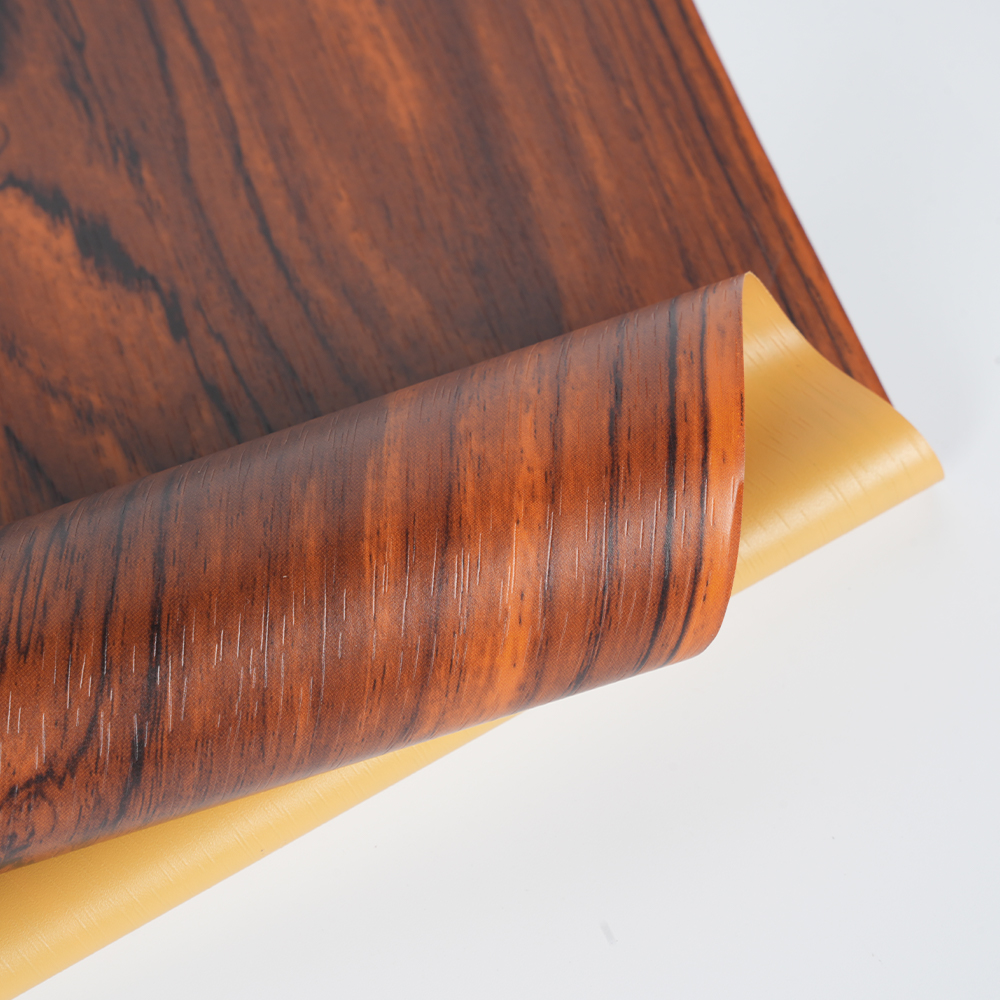
- Wood Grains: Features embossed textures that mimic oak, walnut, or teak, perfect for adding warmth to minimalist interiors.
- Stone and Marble: Offers the luxury of Calacatta or Concrete finishes without the weight or porous maintenance issues of real stone.
- Metallic Finishes: Provides an industrial or high-tech look using brushed aluminum, copper, or steel effects for appliances and trim.
- Fabric and Leather: Soft-touch films that add a tactile, acoustic-softening layer to walls or headboards.
Installation Best Practices for a Seamless Finish
Achieving a professional-grade result with indoor decorative film depends heavily on the preparation of the substrate and the environment. Because the film is thin, any dust, debris, or structural flaws on the original surface will be magnified once the adhesive is set. It is critical to use specialized cleaning agents to remove grease and oils, ensuring a "level one" smooth surface. For complex curves or edges, the use of a heat gun is essential to allow the film to become pliable and conform to the shape without tension, which prevents "pull-back" or peeling in the future.
Key Tools for DIY and Professional Projects
- Squeegees with Felt Edges: Prevents scratching the delicate surface of the film during the air-release process.
- Precision Snap-off Blades: Ensures clean cuts along edges and corners for a seamless, "factory-finished" look.
- Primer 94 or Adhesion Promoters: Used specifically on deep recesses or sharp corners to increase the bond strength of the film.
- Infrared Thermometer: Helps monitor the temperature of the film during post-heating to ensure it reaches its "memory-kill" point for permanent shaping.
PREV:Is Wood Grain PVC Film the Ultimate Game-Changer for Modern Interior Design?NEXT:Why Outdoor PVC Film is the Ultimate Shield for Modern Infrastructure
Interested in cooperation or have questions?
Media
-
-
1. Introduction to PVC Decorative Film 1.1 What is PVC Decorative Film? PVC decorative film, also known as vinyl film or PVC foil, is a thin, flexible...
READ MORE -
Introduction — Wood Grain PVC Decorative Film Overview and Market Positioning Wood Grain PVC Decorative Film has emerged as a versatile and innovative...
READ MORE


 +86-13855983898 +86-0559-3588289
 No. 41, Yongjia Avenue, Huizhou District, Huangshan City, Anhui Province, China
Copyright © Huangshan Hengying Industrial Co., Ltd. All Rights Reserved.