

 English
 русский
 عربى
عربىIntroduction to Embossed PVC Film 1.1 Brief Overview of PVC (Polyvinyl Chloride) and Its Properties Polyvinyl chloride (PVC) is one of the most widely...
READ MOREIs Wood Grain PVC Film the Ultimate Game-Changer for Modern Interior Design?
Content
Understanding the Composition and Durability of Wood Grain PVC Film
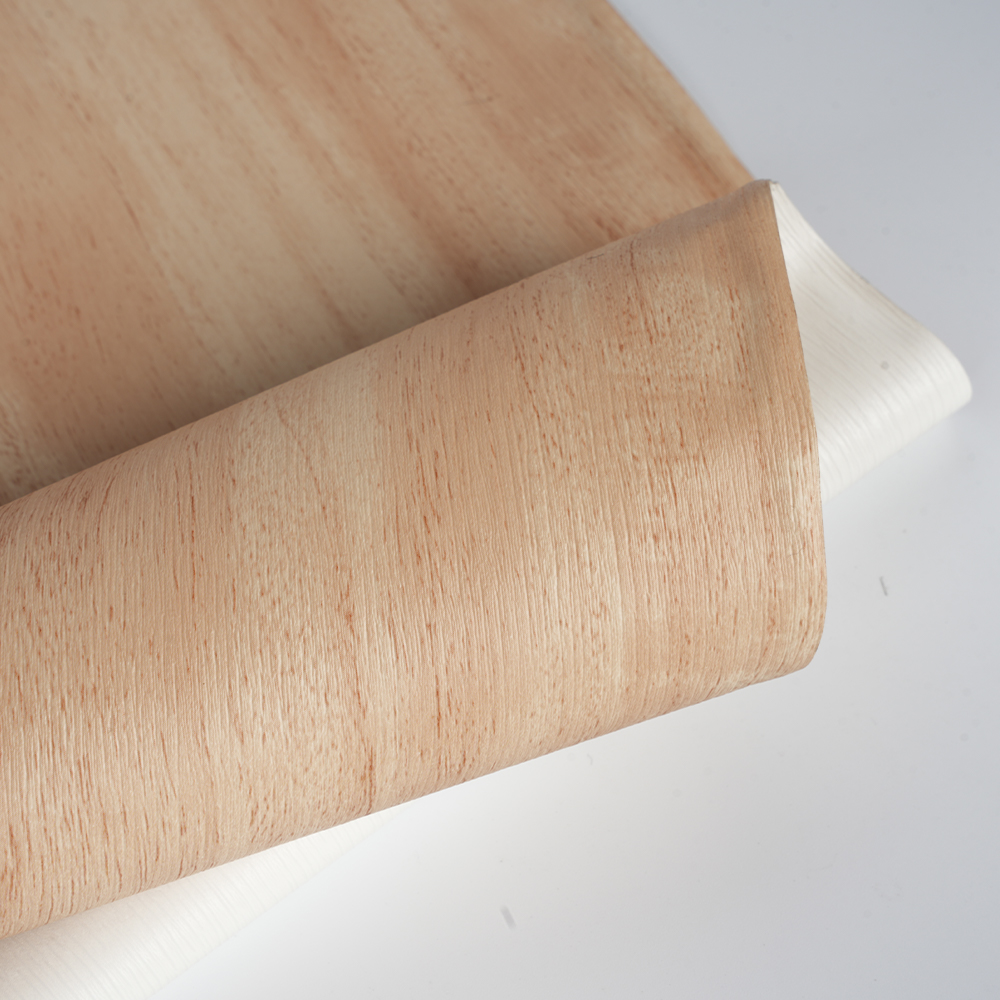
Wood grain PVC (Polyvinyl Chloride) film is a high-performance surfacing material engineered to replicate the aesthetic appeal of natural timber while providing superior physical properties. Unlike traditional veneers, this film is composed of multiple layers, including a base PVC resin, a high-definition printed wood pattern, and a protective transparent top coat. This construction ensures that the material is resistant to moisture, scratches, and common household chemicals. It is widely utilized in the manufacturing of kitchen cabinets, wardrobe doors, and wall panels because it does not warp or crack when exposed to humidity, making it an ideal choice for both residential and commercial environments.
Key Advantages Over Traditional Wood Veneers
Switching from natural wood veneers to wood grain PVC film offers several practical benefits for manufacturers and homeowners alike. While real wood is susceptible to environmental changes and requires regular maintenance like oiling or sanding, PVC film is virtually maintenance-free. The consistency of the grain pattern is another significant factor; since the patterns are digitally or rotogravure printed, large-scale projects can maintain a uniform look that is difficult to achieve with the natural variations found in raw timber.
- Cost-Effectiveness: Significantly reduces material and labor costs compared to solid wood or premium veneers.
- Waterproof Properties: Highly effective in "wet" areas like bathrooms and kitchens where natural wood would fail.
- Ease of Fabrication: Can be easily applied using vacuum pressing or flat lamination techniques on MDF or particle board.
- UV Resistance: Advanced top-coat formulations prevent the color from fading even when exposed to direct sunlight.
Comparison of Wood Grain PVC Film Varieties
Not all wood grain films are created equal. Depending on the desired finish and budget, different thicknesses and textures are available. The following table highlights the differences between the most common types of PVC films used in the industry today.
| Feature | Standard Matte Film | Synchronized Embossed (EIR) | High Gloss Film |
| Texture Feel | Smooth / Low Sheen | Deep, Realistic Pores | Mirror-like / Reflective |
| Common Thickness | 0.12mm - 0.18mm | 0.30mm - 0.45mm | 0.20mm - 0.35mm |
| Primary Use | Wall Panels / Interiors | Luxury Cabinets / Flooring | Modern Kitchen Furniture |
Application Techniques and Best Practices
Achieving a professional finish with wood grain PVC film requires specific machinery and environmental controls. The film is most commonly applied through heat-activated vacuum suction, which allows the material to wrap around complex edges and 3D shapes without visible seams.
Vacuum Membrane Pressing
This is the standard for shaped cabinet doors. The MDF substrate is sprayed with a heat-sensitive adhesive, placed in the machine, and covered with the PVC film. The machine applies heat and creates a vacuum, pulling the film tightly against every contour of the board. Proper temperature control is vital, as excessive heat can melt the pattern, while insufficient heat leads to poor adhesion.
Flat Lamination
For large, flat surfaces such as office desks or wall cladding, flat lamination is used. This process involves passing the board through a series of rollers that apply pressure and adhesive simultaneously. This method is faster and more efficient for mass production where complex edge wrapping is not required.
Maintenance and Longevity Tips
While wood grain PVC film is incredibly tough, certain practices will extend its lifespan and keep it looking new for decades. It is important to avoid using abrasive cleaning pads or harsh solvent-based cleaners that could strip the protective top layer. A simple solution of warm water and mild detergent is usually sufficient to remove grease and fingerprints from the surface.
- Avoid Sharp Objects: Although scratch-resistant, heavy impacts from knives or sharp tools can puncture the film.
- Temperature Awareness: Do not place hot pans directly on the surface, as extreme heat can cause the PVC to soften or delaminate.
- Regular Dusting: Prevents the buildup of micro-particles that can cause dullness over time.
PREV:Why Marble Pattern PVC Film is the Ultimate Game-Changer for Modern Interior RefurbishmentNEXT:The Ultimate Interior Hack: How Architectural Decorative Films are Redefining Modern Renovation
Interested in cooperation or have questions?
Media
-
-
1. Introduction to PVC Decorative Film 1.1 What is PVC Decorative Film? PVC decorative film, also known as vinyl film or PVC foil, is a thin, flexible...
READ MORE -
Introduction — Wood Grain PVC Decorative Film Overview and Market Positioning Wood Grain PVC Decorative Film has emerged as a versatile and innovative...
READ MORE


 +86-13855983898 +86-0559-3588289
 No. 41, Yongjia Avenue, Huizhou District, Huangshan City, Anhui Province, China
Copyright © Huangshan Hengying Industrial Co., Ltd. All Rights Reserved.