

 English
 русский
 عربى
عربىIntroduction to Embossed PVC Film 1.1 Brief Overview of PVC (Polyvinyl Chloride) and Its Properties Polyvinyl chloride (PVC) is one of the most widely...
READ MOREEmbossed PVC Decorative Film: Texture Replication & Application
Content
- 1 Embossed PVC Decorative Film Achieves Its Texture Through a Controlled Thermal-Mechanical Process, Not Printing
- 2 The Embossing Roller and the Origin of Texture Fidelity
- 3 Wear Layer Integration and the Depth-Durability Trade-Off
- 4 Substrate Compatibility and the Laminating Press Parameters
- 5 Fidelity Metrics and How Texture Depth Is Measured
- 6 The Chemical Resistance Requirement for Functional Applications
- 7 Distinguishing Embossed PVC from Laminated Paper and Printed Texture
- 8 Heat and UV Aging Effects on Embossed Texture Retention
- 9 Film Caliper Control and the Importance of Uniform Thickness Before Embossing
Embossed PVC Decorative Film Achieves Its Texture Through a Controlled Thermal-Mechanical Process, Not Printing
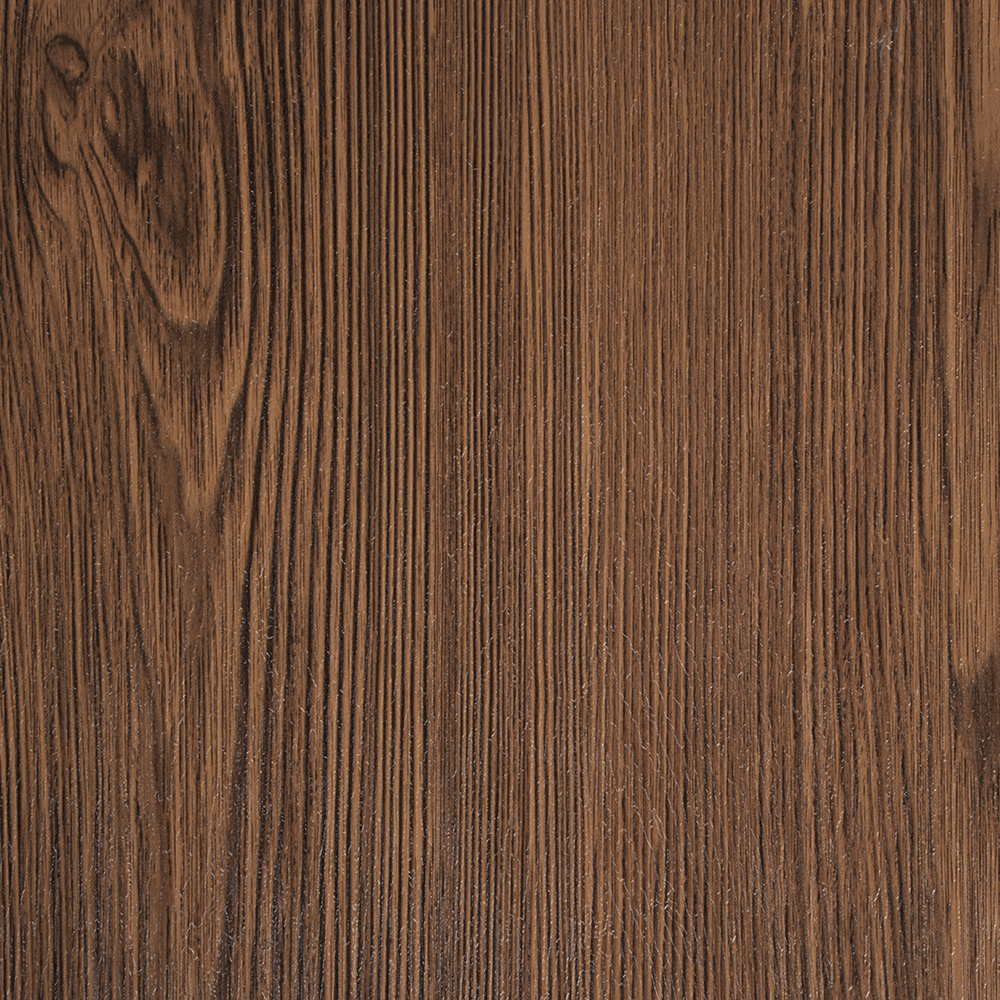
An embossed PVC decorative film derives its three-dimensional surface pattern from a manufacturing step that is entirely separate from and subsequent to the printing of any visual design. A flat PVC film, typically calendered or cast to a thickness between 0.08 and 0.35 millimeters, is heated to its thermoforming temperature of approximately 140 to 180 degrees Celsius and passed between a precision-engraved embossing roller and a resilient backup roller under controlled pressure. The heated PVC softens and flows into the microscopic cavities of the engraved roller surface, permanently adopting the inverse of the roller's pattern as it cools. This is why the same wood-grain print can be paired with different embossing rollers to produce a smooth satin-finish wood look, a deeply textured open-pore wood-grain feel, or a registered emboss where the texture valleys align precisely with the printed grain lines. The embossing process is what transforms a visually convincing decorative film into one that is tactilely convincing, and it is the depth, sharpness, and registration accuracy of the emboss that separate premium decorative surfaces from economy alternatives.
The Embossing Roller and the Origin of Texture Fidelity
The embossing roller is the heart of the process and the single most expensive component in the production line for embossed PVC decorative film. A single roller for a wood-grain pattern is a precision-engraved steel cylinder, typically 300 to 600 millimeters in diameter and up to 2 meters in width, with the texture chemically etched or laser-engraved into its surface to depths ranging from 20 microns for a fine leather grain to over 200 microns for a deep wood pore structure. The roller is chrome-plated after engraving to provide a wear-resistant, non-stick surface that releases the PVC cleanly and maintains texture sharpness over millions of linear meters of production. The engraving pattern is created from a master texture—often taken from a physical sample of real wood, leather, or stone using a laser scanning system that digitizes the surface topography into a 3D map. That digital map drives the engraving tool path. The quality of the embossed film is therefore directly limited by the resolution of the original scan, the precision of the engraving, and the wear state of the roller surface. A worn roller with rounded cavity edges produces film with a soft, indistinct texture that looks and feels like plastic rather than the natural material it is meant to replicate.
Synchronous vs. Non-Synchronous Embossing
Non-synchronous embossing applies a continuous repeating texture across the film surface without regard to the printed pattern beneath it. This is the simpler and less expensive process, used for abstract textures like leather grain, sand, or linen weave where exact alignment with print features is not required. Synchronous embossing, also called registered emboss, uses an optical sensor system that detects registration marks printed on the film and adjusts the embossing roller's rotational position in real time to align the texture peaks and valleys with specific printed features. A registered wood-grain emboss places the deepest texture pores precisely on the printed grain lines, while the smoother printed areas between grains receive a shallower or non-existent emboss. This alignment creates the most convincing wood simulation available in PVC film, but it requires a capital investment in registration control systems and embossing rollers that are custom-matched to each specific print pattern.
Wear Layer Integration and the Depth-Durability Trade-Off
Embossed PVC decorative film intended for high-wear applications—flooring, furniture surfaces, wall panels in commercial spaces—incorporates a transparent wear layer over the printed decorative layer and the embossed texture. The wear layer is a clear PVC or UV-cured polyurethane coating applied at a thickness of 0.15 to 0.55 millimeters for residential use and 0.55 to 0.80 millimeters for commercial applications. This wear layer fills the valleys of the embossed texture to some degree, and the relationship between emboss depth and wear layer thickness determines how much of the texture's tactile character survives into the finished product. A deep emboss of 80 microns paired with a 100-micron wear layer will be completely buried—the surface will feel smooth despite the texture beneath. A 150-micron emboss under the same wear layer will retain 50 microns of tactile relief, producing a surface that both looks and feels textured. This is the depth-durability trade-off: deeper embossing preserves texture under thicker wear layers, but deeper embossing also creates thin spots in the decorative layer at the emboss valleys, which can affect the film's tear resistance and its ability to conform to substrate contours without splitting. The balancing of these factors is a core competency of decorative film engineering.
Substrate Compatibility and the Laminating Press Parameters
Embossed PVC decorative film is rarely used as a standalone material; it is laminated onto a substrate—MDF, particleboard, plywood, aluminum, or rigid PVC sheet—in a membrane press or flat-bed laminating press. The embossed texture introduces specific requirements for this lamination process. The adhesive must be applied in sufficient quantity to fill the valleys on the back side of the film, which are the inverse of the visible surface texture. If the adhesive application is calibrated for a flat film, the valley areas of the embossed film will receive inadequate adhesive coverage, creating voids between film and substrate that become visible as bubbles or delamination sites when the finished panel is exposed to heat or humidity. The solution is either a thicker adhesive application—typically 60 to 100 grams per square meter for embossed film versus 40 to 60 for flat film—or the use of a hot-melt polyurethane reactive adhesive that expands slightly during curing to fill the texture voids. The membrane press must also apply uniform pressure across the entire textured surface; uneven pressure distribution can crush the embossed texture in high-pressure areas while leaving the texture intact elsewhere, creating a visually inconsistent panel surface.
Post-Forming and the Recovery of Embossed Texture
When embossed PVC decorative film is applied to a contoured substrate such as a profiled cabinet door with a raised center panel, the film must stretch to conform to the three-dimensional shape. This stretching elongates the PVC and partially flattens the embossed texture in the stretched areas. A film with a post-forming grade PVC formulation containing a higher percentage of plasticizer—typically 35 to 45 parts per hundred resin versus 25 to 30 for flat-lamination grades—will exhibit better texture recovery after stretching because the plasticized polymer chains have greater mobility and can partially relax back toward their pre-stretched configuration. Even with post-forming grades, some texture loss in deeply drawn areas is inevitable, and the visual effect must be anticipated during product design. The deepest draws, such as the corners of a profiled door, will show visibly reduced texture compared to the flat center panel, and this variation is an accepted characteristic of post-formed embossed film rather than a manufacturing defect.
Fidelity Metrics and How Texture Depth Is Measured
The embossing quality of PVC decorative film is quantified using profilometry—a measurement technique that drags a diamond stylus with a tip radius of 2 microns across the film surface and records the vertical displacement as a function of horizontal position. The resulting profile yields three key metrics: Rz, the average maximum peak-to-valley height across multiple sampling lengths, typically specified at 40 to 180 microns for decorative films; Ra, the arithmetic mean roughness, typically 5 to 30 microns; and Rsm, the mean spacing between texture peaks, which describes the texture frequency. A wood-grain emboss might specify Rz of 80 microns with Rsm of 400 microns, indicating relatively deep features spaced widely apart. A leather-grain emboss might specify Rz of 30 microns with Rsm of 120 microns, indicating a finer, shallower, more closely spaced texture. These measurements are taken at multiple points across the film width to verify that the embossing roller is applying uniform pressure and that the chrome surface is not wearing unevenly. A deviation of more than 10% in Rz from the center to the edge of the film indicates an embossing roller that requires regrinding or replacement.
The Chemical Resistance Requirement for Functional Applications
Embossed PVC decorative film used in kitchen and bathroom applications must withstand exposure to common household chemicals without surface degradation. The embossed texture, by increasing the film's surface area compared to a flat film, also increases the area available for chemical attack and provides capillary channels that can wick liquid contaminants into prolonged contact with the PVC surface. A quality embossed film for wet-area applications will incorporate a UV-cured polyurethane topcoat with a crosslink density sufficient to resist staining from mustard, coffee, red wine, and common cleaning agents for a minimum of 16 hours of continuous contact without visible surface change. The embossed texture actually complicates this requirement: a staining agent that pools in the bottom of a deep emboss valley is in contact with the film for longer than a stain on a flat surface, and the valley geometry makes the stain more difficult to clean because the cleaning cloth cannot reach the bottom of the texture feature effectively. This is why the deepest emboss textures are generally specified for vertical applications like wall panels and furniture fronts, while flooring and countertop films use a shallower texture with a heavier wear layer to balance the aesthetic of texture with the practical requirement of cleanability.
| Application | Typical Emboss Depth (Rz) | Wear Layer Thickness | Texture Priority |
|---|---|---|---|
| Furniture front panels | 60–150 microns | 0.15–0.30 mm | Tactile realism, visual depth |
| Flooring | 30–80 microns | 0.30–0.80 mm | Wear resistance, cleanability |
| Wall panels | 80–180 microns | 0.10–0.20 mm | Maximum texture, low abrasion |
| Ceiling panels | 40–100 microns | Minimal, often uncoated | Visual texture, light diffusion |
Distinguishing Embossed PVC from Laminated Paper and Printed Texture
The market offers three categories of textured decorative surfaces that are often confused. Embossed PVC decorative film achieves texture through mechanical deformation of the PVC layer itself, creating a permanent three-dimensional surface that aligns with or complements the printed pattern. Laminated decorative paper, such as melamine-faced chipboard or high-pressure laminate, achieves texture through a textured press plate that imprints the melamine resin surface during the thermosetting cure cycle—the texture is in the resin layer, not in the paper. Digitally printed texture on flat vinyl film uses inkjet or gravure printing to create the visual illusion of texture through shading and highlights, but the film surface remains physically flat. The field test to distinguish embossed PVC from printed texture is simple: run a fingernail across the surface at a shallow angle. Embossed PVC produces an audible vibration and a tactile resistance that varies with the texture pattern. Printed texture on flat film produces a smooth, silent glide. The distinction matters because embossed texture provides real slip resistance, real light scattering that hides fingerprints and minor scratches, and a tactile experience that printed texture cannot match, regardless of how high the print resolution may be.
Heat and UV Aging Effects on Embossed Texture Retention
PVC is a thermoplastic material, and the embossed texture is therefore subject to thermal relaxation—the gradual loss of texture depth as the polymer chains slowly return toward their pre-embossed, lower-stress configuration. This effect is accelerated by heat. An embossed PVC film on a dark-colored furniture panel exposed to direct sunlight can reach surface temperatures of 70 to 80 degrees Celsius, well into the range where PVC's creep rate becomes significant. Over years of such exposure, the emboss depth can decrease by 15% to 30%, with the finest texture features disappearing first. UV exposure compounds this effect by causing chain scission in the PVC polymer, reducing its molecular weight and further increasing its creep rate under thermal load. Quality embossed PVC films incorporate UV stabilizers—typically benzotriazole UV absorbers at 0.3% to 0.5% loading combined with hindered amine light stabilizers at 0.1% to 0.3%—that slow the photodegradation process. The topcoat also contributes UV blocking, with a UV-cured polyurethane topcoat absorbing over 95% of UV radiation below 380 nanometers. Even with these protections, embossed PVC decorative film has a finite aesthetic service life, and specification for sun-facing applications should account for gradual texture loss as part of the material's aging characteristics rather than treating it as a permanent, unchanging surface.
Film Caliper Control and the Importance of Uniform Thickness Before Embossing
The embossing process amplifies any thickness variation present in the incoming flat PVC film. If the calender that produces the base film has a thickness variation of ±5% across the web width, the embossed film will show a corresponding variation in texture appearance—thinner areas will receive a deeper, sharper emboss because the same roller penetration represents a larger percentage of the film thickness, while thicker areas will show a shallower, softer texture. This variation becomes visible as a subtle stripe pattern aligned with the machine direction, particularly noticeable on wide panels where two film edges from different positions on the master roll are butted together. Premium embossed PVC film production therefore requires base film with a thickness tolerance of ±2% or better, achieved through precise calender gap control, uniform compound temperature, and real-time thickness gauging with feedback to the calender control system. The thickness uniformity requirement is one of the reasons that cast PVC film, which is produced by spreading liquid PVC compound onto a carrier and fusing it in an oven, is often preferred over calendered film for the highest-quality embossing applications—the cast process inherently produces more uniform thickness than the calendering process.
PREV:Anti-Scratch Wood Grain PVC Decorative Film: Durability & UsesNEXT:Marble PVC Decorative Film: Performance, Applications & How to Choose
Interested in cooperation or have questions?
Media
-
-
1. Introduction to PVC Decorative Film 1.1 What is PVC Decorative Film? PVC decorative film, also known as vinyl film or PVC foil, is a thin, flexible...
READ MORE -
Introduction — Wood Grain PVC Decorative Film Overview and Market Positioning Wood Grain PVC Decorative Film has emerged as a versatile and innovative...
READ MORE


 +86-13855983898 +86-0559-3588289
 No. 41, Yongjia Avenue, Huizhou District, Huangshan City, Anhui Province, China
Copyright © Huangshan Hengying Industrial Co., Ltd. All Rights Reserved.