

 English
 русский
 عربى
عربىIntroduction to Embossed PVC Film 1.1 Brief Overview of PVC (Polyvinyl Chloride) and Its Properties Polyvinyl chloride (PVC) is one of the most widely...
READ MOREAnti-Scratch Wood Grain PVC Decorative Film: Durability & Uses
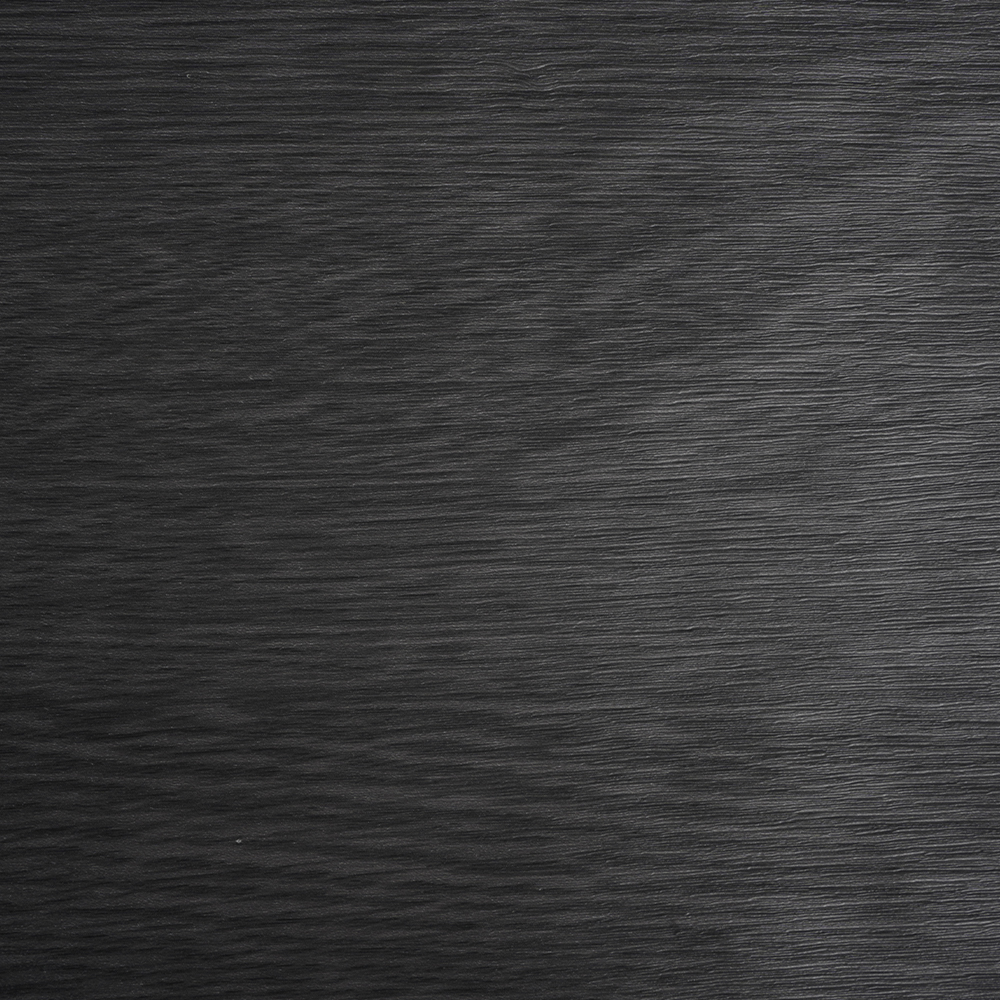
Anti-scratch wood grain PVC decorative film achieves its surface durability through a UV-cured or electron-beam-cured clear topcoat applied over a printed wood grain decorative layer on a polyvinyl chloride substrate. This transparent protective layer, typically 5 to 15 microns thick, raises the surface hardness from the soft, easily marred surface of untreated PVC—which scratches at a pencil hardness of 2B to 3B—to a serviceable F to 2H on the pencil hardness scale, sufficient to withstand fingernail contact, cleaning with household chemicals, and the light abrasion of objects sliding across the surface. The wood grain appearance is created not by printing alone but by a combination of gravure-printed grain patterns and a synchronized embossed texture that replicates the pore structure and grain undulation of real wood, providing both the visual and tactile illusion of natural timber. The result is a decorative surfacing material that delivers the warmth and variation of wood grain at a fraction of the cost of real wood veneer, with superior resistance to moisture, staining, and surface damage in high-traffic interior environments.
Content
- 1 The Multi-Layer Structure of a Performance Decorative Film
- 2 Scratch Resistance Mechanisms and Testing Standards
- 3 Wood Grain Realism: Printing and Embossing Synchronization
- 4 Topcoat Chemistry: UV vs. Electron Beam Curing
- 5 Surface Gloss and Its Effect on Perceived Scratch Resistance
- 6 Chemical Resistance and Cleanability
- 7 Application Methods: Lamination, Membrane Pressing, and Profile Wrapping
- 8 Comparing PVC Wood Grain Film to Real Wood Veneer and Other Alternatives
The Multi-Layer Structure of a Performance Decorative Film
An anti-scratch wood grain PVC decorative film is not a single material but a composite of functional layers, each contributing a specific property to the final product. Understanding this layer stack is essential for specifying the correct film for a given application and for diagnosing performance issues. From the top surface down, the typical construction consists of the following layers.
- Anti-scratch topcoat (5-15 µm): A clear, cross-linked acrylate or urethane-acrylate coating cured by UV radiation or electron beam. This is the functional layer that provides scratch resistance, stain resistance, and cleanability. The cross-link density of the cured coating determines the hardness and the chemical resistance. A highly cross-linked coating maximizes scratch resistance but may crack if the film is post-formed around a tight radius. The coating formulation can include matting agents (silica particles) to control the gloss level from high-gloss (above 85 GU at 60°) to super-matte (below 5 GU).
- Wear layer / protective clear PVC (optional, 40-100 µm): A transparent, plasticized PVC layer that provides additional depth and protects the printed layer from abrasion. In some constructions, this clear PVC layer is omitted and the anti-scratch topcoat is applied directly over the printed surface to reduce the total film thickness.
- Printed wood grain layer (1-5 µm ink thickness): The decorative image, applied by rotogravure printing using solvent-based or UV-curable inks. Modern high-definition printing achieves a resolution of 300 to 400 lines per inch, sufficient to reproduce the fine grain lines, knots, and color variation of natural wood species. The print is applied to the underside of the clear PVC wear layer (reverse printing) or to the surface of the base PVC film, depending on the film construction.
- Base PVC film (80-200 µm): The structural substrate of the decorative film, formulated from suspension-grade PVC resin compounded with plasticizers, heat stabilizers, processing aids, and pigments. The base film provides the mechanical strength, the flexibility, and the thermal formability required for the application. The PVC formulation determines the film's resistance to plasticizer migration, its UV stability, and its fire performance.
- Adhesion primer or backing layer (optional): A thin coating applied to the back of the base film to promote adhesion to the substrate—typically MDF, particleboard, plywood, or plastic profiles—when the film is laminated using a solvent-based or hot-melt adhesive.
The total film thickness typically ranges from 100 µm to 350 µm, with thicker films specified for high-wear horizontal surfaces like desktops and countertops, and thinner films specified for vertical surfaces like cabinet door fronts and wall panels where the abrasion exposure is lower and the cost per square meter is a more significant factor.
Scratch Resistance Mechanisms and Testing Standards
The scratch resistance of a PVC decorative film is not an intrinsic property of the PVC itself but a function of the topcoat's ability to resist penetration and shear from an asperity dragged across the surface. The primary mechanisms by which a UV-cured topcoat provides scratch resistance are surface hardness—the resistance to penetration by a pointed indenter—and elastic recovery—the ability of the coating to recover its original shape after the deforming force is removed. A purely hard coating resists penetration but may crack or craze under load; a coating with some viscoelastic character recovers from minor deformation without leaving a visible mark. The optimal anti-scratch topcoat balances these two mechanisms to produce a surface that resists both the shallow micro-scratches from dust and cleaning cloths and the deeper scratches from harder objects.
| Test Method | What It Measures | Acceptance Criterion for High-Performance Film |
|---|---|---|
| Pencil Hardness (ASTM D3363 / ISO 15184) | Hardest pencil grade that does not gouge the surface under a 500g or 1kg load | F minimum for general interior; H to 2H for horizontal wear surfaces |
| Taber Linear Abraser (ASTM D6279 / ISO 1518) | Resistance to a loaded abrasive tip drawn across the surface; reports the load at which visible scratch appears | No visible scratch below 5N load for horizontal applications |
| Steel Wool Scratch (proprietary method) | Resistance to micro-scratching from 0000-grade steel wool rubbed under a fixed load | Delta-gloss less than 5 GU after 10 double rubs at 500g load |
| Crockmeter (ASTM D6279 wet/dry) | Abrasion resistance of the printed pattern to repeated rubbing with a cloth | No visible print wear or color transfer after 100 dry cycles |
| Taber Abrasion (ASTM D4060 CS-10 wheel) | Wear resistance of the topcoat to a loaded abrasive wheel under cyclic rotation | Less than 50 mg weight loss after 500 cycles at 500g load |
| Micro-Mar Resistance (OEM-specific) | Resistance to the fine, shallow scratches (marring) visible only under oblique light | No visible marring after 10 double rubs with a specified abrasive pad at 1kg load |
The micro-mar resistance test is particularly significant because it addresses the most common consumer complaint: the accumulation of fine, shallow scratches that are individually invisible but collectively create a dull, hazy appearance over time. These micro-scratches are caused by cleaning with dry or dusty cloths, by objects being slid across the surface, and by general handling. A topcoat formulated for micro-mar resistance incorporates a self-healing or elastic component that recovers from these shallow deformations, maintaining the surface gloss and the visual depth of the wood grain pattern over years of service.
Wood Grain Realism: Printing and Embossing Synchronization
The visual and tactile authenticity of a wood grain PVC film depends on the synchronization between the printed pattern and the embossed surface texture. In a premium product, the embossing cylinder is mechanically or electronically synchronized with the printing cylinder so that the depressed pore structure of the embossing aligns precisely with the printed pore pattern. This is called "registered emboss" or "synchronized emboss", and it is the feature that distinguishes a convincingly realistic wood grain film from a printed plastic surface that looks flat and artificial. The embossing depth for a realistic wood pore texture is typically 30 to 80 microns, with deeper embossing producing a more pronounced tactile effect but requiring a thicker base film to accommodate the deformation without compromising the film's structural integrity.
The wood grain print itself is produced by rotogravure printing, where the image is engraved as microscopic cells into the surface of a chrome-plated copper cylinder. Each color in the wood grain pattern requires a separate printing station, and a high-end wood grain film may use four to six colors to capture the color depth and variation of the natural wood species. The ink is transferred from the engraved cells to the film surface under pressure from a rubber impression roller, and each color is dried before the next is applied. The print registration—the alignment of each color with the others—must be maintained to within a fraction of a millimeter across the entire width of the film, which can be up to 2 meters for furniture-grade materials. The wood species replicated by the printing process range from ubiquitous oak, walnut, and maple to exotic woods like wenge, zebrano, and teak, with the color palette and grain pattern designed to match the current trends in interior design and furniture manufacturing.
Topcoat Chemistry: UV vs. Electron Beam Curing
The anti-scratch topcoat is cured by one of two radiation-based processes that cross-link the liquid coating into a solid, durable film in a fraction of a second. UV curing uses high-intensity ultraviolet lamps—typically mercury vapor or LED arrays—to activate photoinitiators in the coating formulation that generate free radicals and initiate the polymerization reaction. The coating cures from the surface downward, and the cure depth is limited by the penetration of the UV light through the coating thickness, which is why UV-cured topcoats are generally limited to approximately 15 to 20 microns for clear coatings. UV curing is compatible with a wide range of acrylate and urethane-acrylate formulations and is the dominant technology for furniture and interior decorative films.
Electron beam (EB) curing uses a beam of high-energy electrons to directly ionize and cross-link the coating molecules without the need for photoinitiators. The electrons penetrate more deeply than UV photons, allowing EB curing of thicker coatings—up to 50 microns or more in a single pass. The absence of photoinitiators in the cured film eliminates the potential for yellowing from residual photoinitiator fragments and for the migration of unreacted initiator into food or skin contact. EB-cured topcoats are therefore the preferred choice for high-end applications where long-term color stability is critical and for food-contact surfaces where the inertness of the cured coating is a regulatory requirement. The capital cost of EB curing equipment is higher than UV, and the process requires an inert nitrogen atmosphere to prevent oxygen inhibition at the coating surface, which adds to the operating cost. EB-cured films consequently occupy the premium tier of the decorative film market.
Surface Gloss and Its Effect on Perceived Scratch Resistance
The gloss level of the decorative film surface is not an independent aesthetic choice; it directly affects the visibility of scratches and therefore the perceived durability of the film over its service life. On a high-gloss surface with a 60° gloss measurement above 80 GU, a scratch disrupts the specular reflection and creates a visible discontinuity that the eye perceives as a defect. The same scratch on a matte surface with a gloss below 10 GU may be invisible because the diffuse reflection from the matte surface texture scatters light in all directions, masking the uni-directional scattering from the scratch groove. This is why matte and super-matte finishes are inherently more scratch-tolerant than high-gloss finishes, even when the underlying coating hardness is identical.
The matting effect is achieved by incorporating silica or polymer matting agents—microscopic particles typically 2 to 10 microns in diameter—into the topcoat formulation. These particles protrude slightly from the cured coating surface, creating a micro-roughness that scatters reflected light. The trade-off is that a heavily matted surface can feel slightly rough to the touch and can be more difficult to clean than a smooth gloss surface because dirt and oils can become trapped in the microscopic surface valleys. The premium solution is a "soft-touch" or "silk" matte finish that uses a bimodal particle size distribution—larger particles for the matting effect, smaller particles to fill the surface texture—producing a surface that feels smooth and velvety while maintaining the scratch-hiding properties of a matte finish. The current trend in furniture design favors super-matte finishes with gloss levels below 5 GU, which provide both the scratch tolerance and the natural, non-reflective appearance of oiled or waxed wood.
Chemical Resistance and Cleanability
The anti-scratch topcoat must also provide resistance to the household and commercial chemicals that the surface will encounter during routine cleaning and accidental spills. The standard chemical resistance test protocol for furniture surfaces, per EN 12720 (Assessment of surface resistance to cold liquids), exposes the film to a panel of test liquids—including water, ethanol, acetone, ammonia solution, tea, coffee, red wine, and mustard—for a specified contact time, typically 16 to 24 hours for long-term exposure and 10 minutes for short-term contact. After the exposure period, the liquid is removed and the surface is examined for swelling, discoloration, gloss change, and softening. A high-performance anti-scratch film must show no visible change after exposure to any of the common household liquids for a minimum of 1 hour, and no permanent damage after 16 hours of water and ethanol exposure.
The cleanability of the surface is enhanced by the non-porous nature of the cross-linked topcoat. Unlike real wood, which has an open pore structure that can absorb stains and harbor bacteria, the PVC film with a continuous, defect-free topcoat is impervious to liquids and can be cleaned with standard household detergents, diluted bleach solutions, and quaternary ammonium disinfectants without surface degradation. This makes anti-scratch wood grain PVC film suitable for healthcare environments, commercial hospitality, and residential kitchens where hygiene and stain resistance are performance requirements that natural wood cannot satisfy without intensive maintenance.
Application Methods: Lamination, Membrane Pressing, and Profile Wrapping
The PVC decorative film is applied to the substrate—typically MDF, particleboard, or plywood for flat panels—using one of several industrial lamination processes. The choice of process determines the quality of the bond, the ability to wrap the film around edges and contours, and the cost per unit area. The three primary application methods are:
- Flat lamination: The film is bonded to a flat board surface using a hot-melt polyurethane (PUR) adhesive or a solvent-based contact adhesive applied by a roller coater or a curtain coater. The film and the substrate are brought together under pressure in a continuous roll laminator, and the adhesive is cured by moisture (for PUR) or by solvent evaporation. Flat lamination is the most economical process and is used for cabinet sides, shelving, and wardrobe carcasses where edge coverage is not required.
- Membrane pressing (thermoforming): The film is heated to its softening point—typically 120°C to 160°C—and then drawn over a three-dimensional substrate by vacuum and positive air pressure applied through a flexible silicone membrane. The membrane conforms the film to the substrate contours, wrapping it around the panel edges and into any routed profiles or raised panel details. The adhesive is typically a pre-applied hot-melt that activates at the forming temperature. Membrane pressing is the standard process for kitchen cabinet doors, drawer fronts, and decorative wall panels with routed profiles.
- Profile wrapping: The film is wrapped around a linear profile—such as a skirting board, a door frame, or a window trim—using a series of forming rollers that progressively fold the film around the profile cross-section while hot-melt adhesive is applied to the profile surface. The wrapped profile is cooled immediately after forming to set the adhesive and lock the film in place. Profile wrapping requires a film with sufficient flexibility and elongation to conform to the profile geometry without the anti-scratch topcoat cracking or the wood grain print distorting.
The film's thermoformability—its ability to stretch and conform to a three-dimensional shape without cracking or losing the anti-scratch properties—is a critical specification for membrane pressing and profile wrapping applications. The elongation at break of the PVC base film, typically 150% to 250% in the machine direction and 100% to 200% in the transverse direction, provides the stretch capacity, but the anti-scratch topcoat must also elongate without cracking. A topcoat formulated for post-forming applications incorporates flexible oligomers and a lower cross-link density to accommodate the strain, trading a marginal reduction in scratch resistance for the ability to survive the forming process without cosmetic or functional damage.
Comparing PVC Wood Grain Film to Real Wood Veneer and Other Alternatives
The choice between anti-scratch PVC wood grain film and the available alternatives—real wood veneer, thermally fused laminate (TFL), high-pressure laminate (HPL), and acrylic-based decorative films—is a decision based on a balance of cost, durability, aesthetic realism, and environmental factors. Real wood veneer provides an unmatched natural appearance and the cachet of genuine timber, but it is susceptible to scratching, water staining, and UV fading, and it requires periodic maintenance with oil or lacquer. The cost of a veneered panel is typically 1.5 to 3 times the cost of an equivalent PVC-wrapped panel. TFL and HPL provide excellent scratch and stain resistance at a lower cost point but lack the tactile wood grain texture and the seamless edge wrapping that PVC film can achieve through membrane pressing. Acrylic-based films offer superior UV resistance for exterior applications but are more expensive than PVC and require higher forming temperatures.
PVC wood grain film occupies the middle ground: it provides a realistic wood appearance with a convincing tactile texture, excellent moisture and stain resistance, and the ability to wrap edges and profiles seamlessly, all at a cost that is competitive with TFL and significantly lower than veneer. The primary criticism of PVC from an environmental perspective—the use of chlorine chemistry and the challenges of end-of-life recycling—is being addressed by the development of bio-based plasticizers, the elimination of heavy-metal stabilizers, and the emergence of take-back programs that recycle post-industrial PVC waste back into new film production. For interior applications where the combination of wood aesthetics, surface durability, moisture resistance, and cost-effectiveness is the primary requirement, anti-scratch PVC wood grain film is currently the dominant material choice for mid-range to premium furniture and interior fit-outs.
PREV:Custom Smooth Surface Decorative Film: Materials & ProcessNEXT:Embossed PVC Decorative Film: Texture Replication & Application
Interested in cooperation or have questions?
Media
-
-
1. Introduction to PVC Decorative Film 1.1 What is PVC Decorative Film? PVC decorative film, also known as vinyl film or PVC foil, is a thin, flexible...
READ MORE -
Introduction — Wood Grain PVC Decorative Film Overview and Market Positioning Wood Grain PVC Decorative Film has emerged as a versatile and innovative...
READ MORE


 +86-13855983898 +86-0559-3588289
 No. 41, Yongjia Avenue, Huizhou District, Huangshan City, Anhui Province, China
Copyright © Huangshan Hengying Industrial Co., Ltd. All Rights Reserved.