

 English
 русский
 عربى
عربىIntroduction to Embossed PVC Film 1.1 Brief Overview of PVC (Polyvinyl Chloride) and Its Properties Polyvinyl chloride (PVC) is one of the most widely...
READ MOREWhere is PVDF Decorative Film typically used?
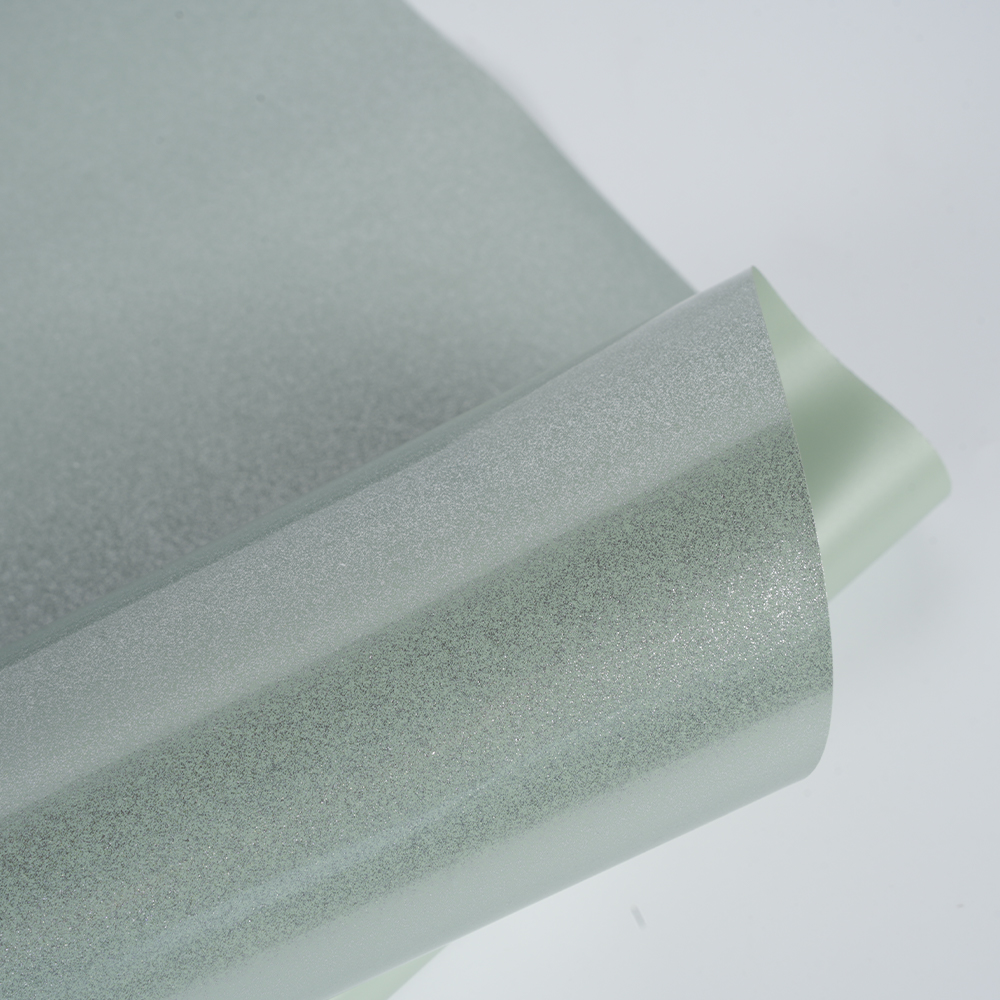
PVDF Decorative Film—a high-performance material based on Polyvinylidene Fluoride—is valued not just for its visual appeal, but for its legendary durability. Unlike standard decorative films, the PVDF component provides exceptional resistance to environmental degradation, making it a critical material for applications where longevity, color retention, and protection are paramount.
The usage of PVDF Decorative Film is heavily concentrated in areas requiring a combination of aesthetic design and fluoropolymer-level protection.
Content
1. Architectural and Construction Exteriors (The Ultimate Defense)
The largest and most common application for PVDF Decorative Film and related coatings is on the exterior surfaces of buildings. In these environments, the film serves as the primary line of defense against the elements.
-
Architectural Metal Cladding and Panels: This is the flagship application. Metal facades, rainscreens, and curtain wall components (typically aluminum or galvanized steel) are laminated or coated with PVDF Decorative Film. The film offers superior resistance to:
-
UV Radiation: The PVDF resin is intrinsically stable under harsh sunlight, providing exceptional color and gloss retention for decades. This prevents the "chalking" and fading common with lesser materials.
-
Weathering: It resists degradation from acid rain, salt spray, extreme temperature fluctuations, and humidity.
-
-
Roofing Systems: Metal roofing, especially in commercial and industrial structures, utilizes PVDF films or coatings to ensure a long-lasting, vibrant appearance and maintain the integrity of the substrate.
-
Window and Door Frames: On high-end aluminum extrusions, the film provides a highly durable, scratch-resistant, and non-fading decorative finish.
2. High-Wear & Specialized Interiors
While its primary role is external, PVDF Decorative Film is increasingly used in demanding interior spaces that require both a pleasant aesthetic and superior sanitation or anti-abrasion properties.
-
Healthcare and Laboratory Walls: PVDF films are non-porous, chemically inert, and easy to clean, making them ideal for high-traffic or sterile environments like hospitals, labs, and clean rooms. They resist staining from common disinfectants and corrosive cleaning agents.
-
Wall Coverings (High-Traffic Areas): In airports, schools, train stations, and public corridors, the film's outstanding abrasion resistance protects the underlying substrate (like PVC or metal) from scuffs, scrapes, and impact damage while maintaining a decorative finish.
-
Anti-Graffiti Applications: A key feature of PVDF is its low surface energy, which makes it non-stick. This property is highly utilized in films applied to public transport interiors or outdoor signage, allowing graffiti and stickers to be removed easily without damaging the underlying decoration.
3. Transportation and Infrastructure
The same properties that protect buildings make PVDF Decorative Film ideal for vehicles and structures exposed to continuous motion, vibration, and road grime.
-
Train and Subway Interiors: Used on interior panels and ceiling components for both decoration and sanitation, as well as providing flame and smoke resistance (a key safety requirement).
-
Automotive Exterior Trim: Used in specialty applications requiring superior chip, chemical, and UV resistance over traditional paint systems.
4. Renewable Energy (Protective Aesthetic)
In the solar industry, a non-decorative version of PVDF film is critical as the outer protective backsheet for solar panels, but the decorative films have their own role:
-
Colored Solar Panels: Research and development are leveraging the PVDF’s protective qualities to create colored or aesthetically pleasing PVDF films that can be integrated into solar arrays to help them blend better with building architecture while still maintaining the panel's long-term performance.
In summary, the demand for PVDF Decorative Film stems from its unique position at the intersection of decoration and performance. It is the go-to choice for designers and engineers who require an aesthetically versatile material that can realistically guarantee color and surface integrity against the world’s harshest environments.
PREV:Revolutionizing Surfaces: The Rise of EB Excimer Decorative FilmNEXT:Embossed PVC Film: Texture, Durability, and Design
Interested in cooperation or have questions?
Media
-
-
1. Introduction to PVC Decorative Film 1.1 What is PVC Decorative Film? PVC decorative film, also known as vinyl film or PVC foil, is a thin, flexible...
READ MORE -
Introduction — Wood Grain PVC Decorative Film Overview and Market Positioning Wood Grain PVC Decorative Film has emerged as a versatile and innovative...
READ MORE


 +86-13855983898 +86-0559-3588289
 No. 41, Yongjia Avenue, Huizhou District, Huangshan City, Anhui Province, China
Copyright © Huangshan Hengying Industrial Co., Ltd. All Rights Reserved.