

 English
 русский
 عربى
عربىIntroduction to Embossed PVC Film 1.1 Brief Overview of PVC (Polyvinyl Chloride) and Its Properties Polyvinyl chloride (PVC) is one of the most widely...
READ MOREEver Wonder Why Everyone is Switching to Wood Grain PVC Film for Their Furniture?
Content
Understanding the Versatility of Wood Grain PVC Film
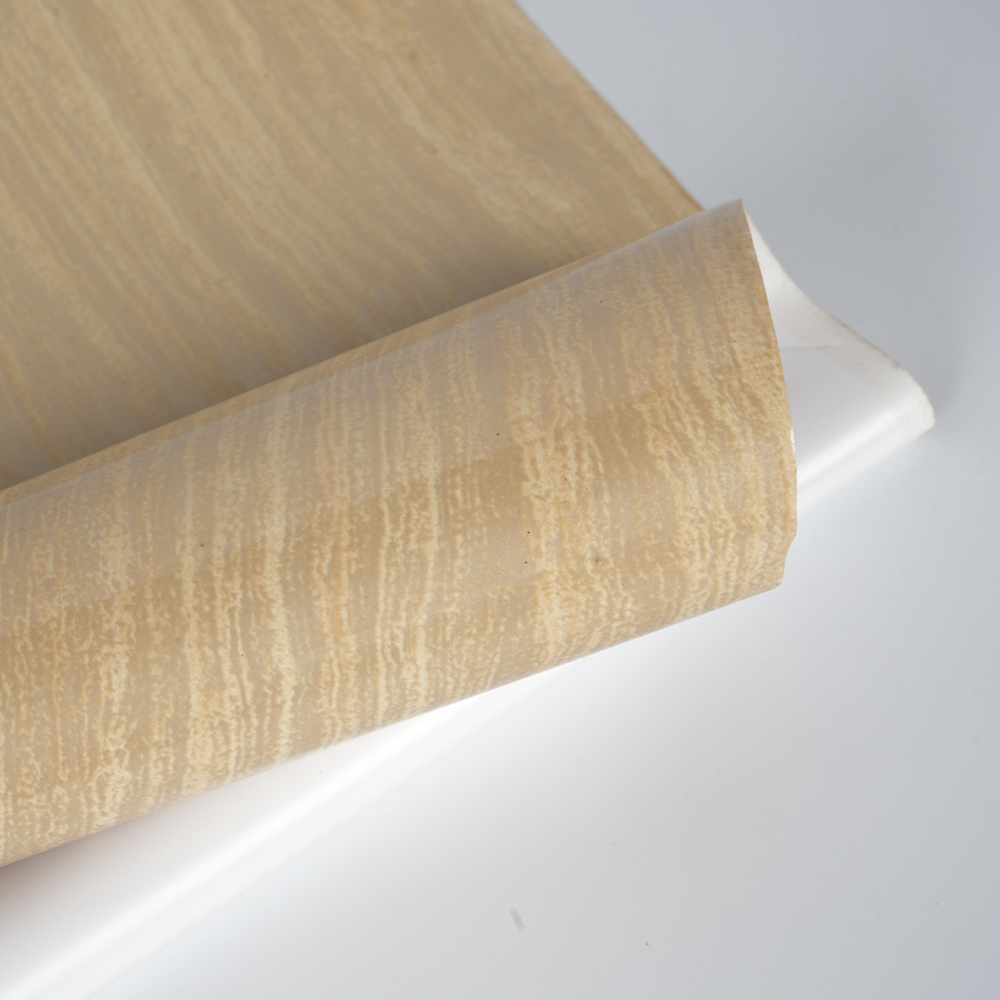
Wood grain PVC film is a high-performance decorative material engineered to replicate the organic beauty of natural timber while offering the durability of synthetic polymers. This material has become a cornerstone in the furniture and construction industries due to its ability to transform mundane substrates like MDF, particleboard, and plywood into high-end aesthetic components. Unlike natural wood veneers, PVC decorative foils provide a consistent pattern and color matching, ensuring that large-scale manufacturing projects maintain a uniform appearance across every production batch.
The manufacturing process involves sophisticated printing techniques that capture the intricate details of wood pores, knots, and textures. This results in a synthetic wood grain finish that is nearly indistinguishable from real wood. Beyond aesthetics, the film acts as a protective shield, offering resistance against moisture, scratches, and common household chemicals, which significantly extends the lifespan of the underlying furniture or paneling.
Key Technical Advantages of PVC Decorative Foils
Durability and Environmental Resistance
One of the primary reasons professional designers choose wood grain PVC film is its incredible resilience. In environments where real wood might warp, crack, or rot due to humidity—such as kitchens or bathrooms—PVC film remains stable. It serves as an effective moisture barrier, preventing the core material from swelling. Additionally, most high-quality wood grain laminates are treated with UV-resistant coatings to prevent fading when exposed to sunlight, making them ideal for wardrobes and cabinets located near windows.
Cost-Effectiveness and Sustainability
Using PVC wood grain wrap is significantly more budget-friendly than sourcing rare or exotic hardwoods. It allows manufacturers to offer luxury aesthetics at a fraction of the cost. From an environmental perspective, utilizing these films on recycled wood substrates reduces the demand for timber harvesting, providing a more sustainable alternative for mass-market furniture production without sacrificing the "warmth" that wood brings to a room.
Comparison Between Wood Grain PVC Film and Natural Veneer
When deciding between a synthetic wood grain finish and a natural wood veneer, it is essential to look at the practical maintenance and application requirements. The table below outlines the core differences between these two popular surfacing options.
| Feature | Wood Grain PVC Film | Natural Wood Veneer |
| Moisture Resistance | High / Waterproof | Low / Prone to Swelling |
| Color Consistency | Excellent / Uniform | Varies by Log / Natural Inconsistency |
| Maintenance | Low (Wipe Clean) | High (Requires Polishing/Sealing) |
| Flexibility | High (Vacuum Pressing) | Limited (Can Snap) |
Popular Applications in Modern Interior Design
Wood grain PVC film is incredibly versatile and can be applied using several industrial methods, including vacuum membrane pressing, flat lamination, and profile wrapping. This flexibility allows it to be used across various sectors of interior design:
- Cabinetry and Wardrobes: It is the most common material for kitchen cabinet doors, providing a sleek, easy-to-clean surface.
- Interior Doors: Many modern interior doors use wood grain PVC wrap to achieve the look of solid oak or walnut without the heavy weight or high price tag.
- Wall Paneling: Commercial spaces often use PVC decorative foil on wall panels to create a professional and inviting atmosphere quickly.
- Office Furniture: Desks and bookshelves benefit from the scratch-resistant nature of PVC film, maintaining a "new" look even with heavy daily use.
How to Choose the Quality of Your Wood Grain Finish
Not all wood grain PVC films are created equal. When sourcing materials for a project, it is vital to check the thickness of the film; typically, films range from 0.12mm to 0.50mm. Thicker films generally offer better 3D embossing and are less likely to show the imperfections of the substrate underneath. Furthermore, the quality of the primer on the back of the film determines how well it will bond with adhesives, preventing future peeling or delamination. Investing in a high-grade PVC decorative foil ensures that the finish remains vibrant and intact for decades, providing both aesthetic beauty and structural integrity to your furniture pieces.
PREV:Embossed decorative film: How It’s Made, Applied, and Used in Real ProjectsNEXT:Indoor Decorative Film: The Smart, Stylish Upgrade Transforming Modern Interiors
Interested in cooperation or have questions?
Media
-
-
1. Introduction to PVC Decorative Film 1.1 What is PVC Decorative Film? PVC decorative film, also known as vinyl film or PVC foil, is a thin, flexible...
READ MORE -
Introduction — Wood Grain PVC Decorative Film Overview and Market Positioning Wood Grain PVC Decorative Film has emerged as a versatile and innovative...
READ MORE


 +86-13855983898 +86-0559-3588289
 No. 41, Yongjia Avenue, Huizhou District, Huangshan City, Anhui Province, China
Copyright © Huangshan Hengying Industrial Co., Ltd. All Rights Reserved.