

 English
 русский
 عربى
عربى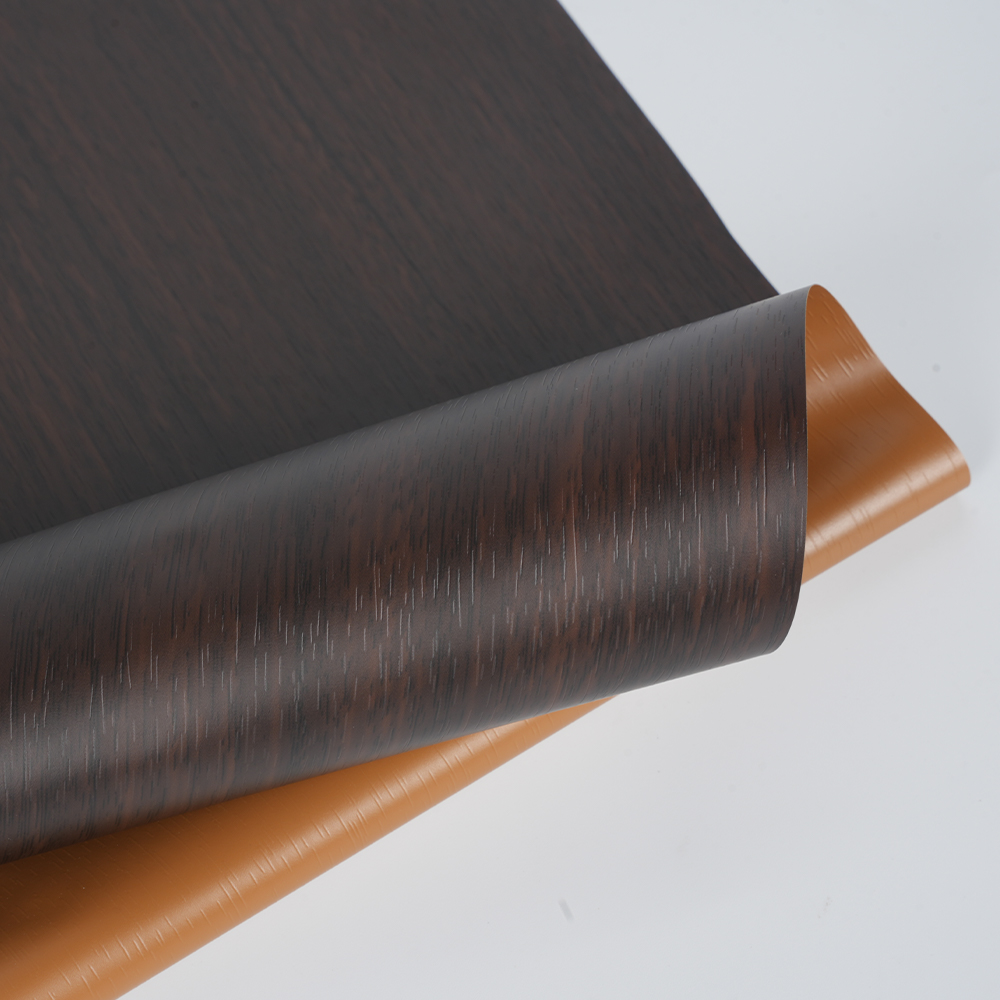
Introduction to Embossed PVC Film 1.1 Brief Overview of PVC (Polyvinyl Chloride) and Its Properties Polyvinyl chloride (PVC) is one of the most widely...
READ MOREEmbossed decorative film: How to Choose the Right Texture and Finish
Content
Understanding Texture Options in Embossed Decorative Film
Texture is the defining feature of embossed decorative film. Different embossing depths and patterns can completely change how a surface looks and feels. Choosing the right texture depends on the application, expected wear, and overall design style.
Popular Embossing Patterns
- Wood grain embossed decorative film for natural interiors
- Stone and concrete textures for modern spaces
- Leather and fabric embossing for premium furniture
Matching Film Thickness to Real-World Use
Thickness directly affects durability and processing performance. Thicker embossed films generally offer deeper texture and better impact resistance, while thinner films are easier to wrap and more cost-effective for large-volume projects.
| Film Thickness | Recommended Application |
| 0.12–0.18 mm | Wall panels and decorative boards |
| 0.20–0.30 mm | Furniture and cabinet doors |
| 0.35 mm and above | High-traffic commercial surfaces |
Surface Performance You Should Not Ignore
Beyond looks, embossed decorative film must meet performance requirements such as scratch resistance, heat tolerance, and color stability. These properties depend on the film material, coating layer, and embossing process.
Key Performance Indicators
- Abrasion resistance for daily use surfaces
- UV resistance for long-term color retention
- Heat resistance for kitchen and office furniture
Choosing the Right Finish for Your Market
Finish options such as matte, satin, or low-gloss interact differently with embossed textures. Matte finishes emphasize depth and realism, while satin finishes offer easier cleaning and a softer visual effect.
Practical Tips Before Final Selection
Before committing to an embossed decorative film, always test samples under real processing conditions. Check adhesion, emboss clarity after lamination, and how the texture looks under different lighting. These small checks can prevent costly mistakes during mass production.
PREV:Outdoor PVC Film: What It’s Used For and How to Choose the Right OneNEXT:Embossed decorative film: How It’s Made, Applied, and Used in Real Projects
Interested in cooperation or have questions?
Media
-
-
1. Introduction to PVC Decorative Film 1.1 What is PVC Decorative Film? PVC decorative film, also known as vinyl film or PVC foil, is a thin, flexible...
READ MORE -
Introduction — Wood Grain PVC Decorative Film Overview and Market Positioning Wood Grain PVC Decorative Film has emerged as a versatile and innovative...
READ MORE


 +86-13855983898 +86-0559-3588289
 No. 41, Yongjia Avenue, Huizhou District, Huangshan City, Anhui Province, China
Copyright © Huangshan Hengying Industrial Co., Ltd. All Rights Reserved.