

 English
 русский
 عربى
عربىIntroduction to Embossed PVC Film 1.1 Brief Overview of PVC (Polyvinyl Chloride) and Its Properties Polyvinyl chloride (PVC) is one of the most widely...
READ MOREBeyond Texture: How Embossed Decorative Film is Redefining Modern Interior Surfacing
Content
Understanding the Material Composition of Embossed Decorative Film
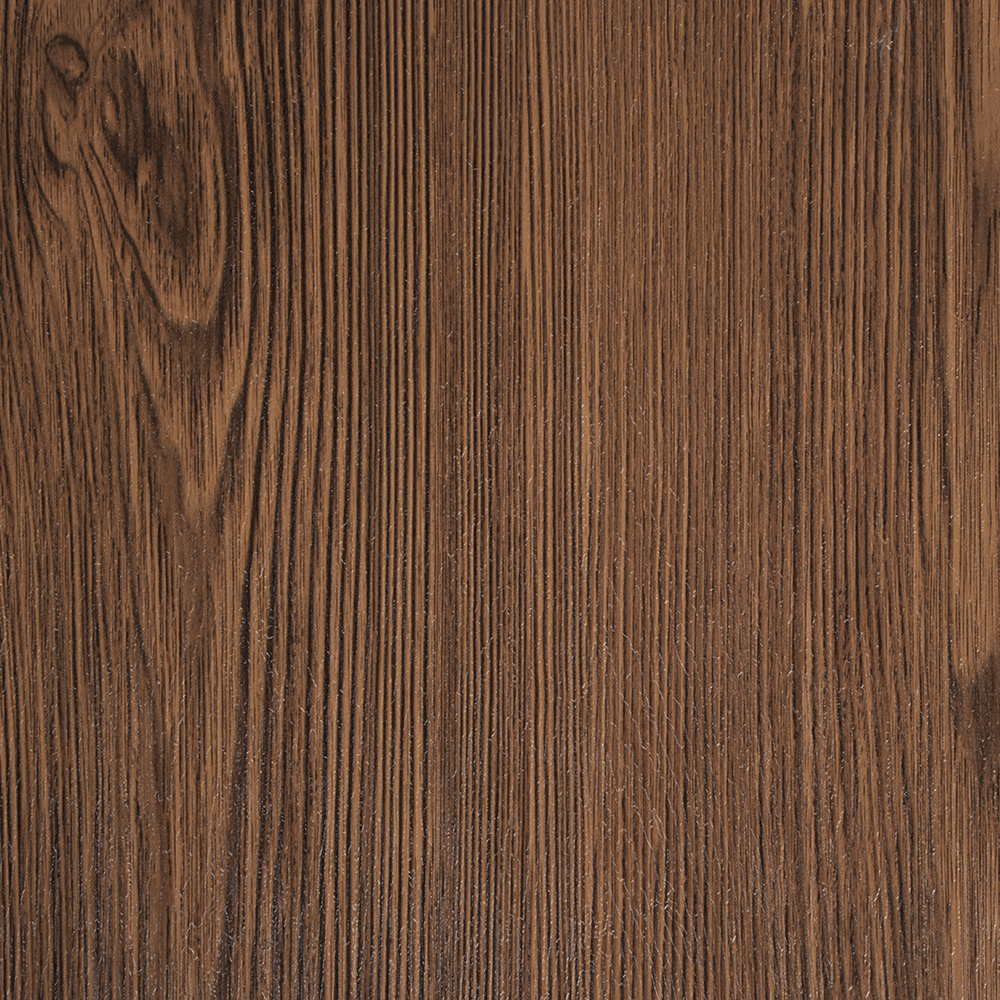
Embossed decorative film is a multi-layered surfacing material typically engineered from Polyvinyl Chloride (PVC) or Polyethylene Terephthalate (PET). The defining characteristic of this film is its tactile surface, which is created through a high-pressure thermal embossing process. During manufacturing, the base film is passed between heated rollers engraved with specific patterns—such as wood grain, stone textures, or geometric weaves. This process creates a permanent 3D relief that mimics natural materials with striking accuracy, providing both visual depth and a physical "hand-feel" that smooth laminates cannot achieve.
Beyond the aesthetic layer, these films are treated with specialized top coatings, often UV-cured, to enhance their performance. This transparent wear layer protects the embossed pattern from flattening over time and provides resistance against scratches, moisture, and common household chemicals. This makes the film an ideal choice for high-traffic surfaces like kitchen cabinetry, commercial furniture, and wall paneling where durability is just as critical as design.
Key Technical Specifications and Performance Metrics
When selecting embossed decorative film for industrial or DIY applications, understanding the technical data is essential for ensuring long-term adhesion and surface integrity. The thickness of the film generally dictates its flexibility and the depth of the embossment possible.
| Property | Standard Range | Impact on Application |
| Thickness | 0.12mm - 0.50mm | Thicker films offer deeper textures and better impact resistance. |
| Shrinkage Rate | ≤ 2.5% | Low shrinkage prevents edge peeling after vacuum forming. |
| Tensile Strength | ≥ 20 MPa | Ensures the film doesn't tear when stretched over curved edges. |
| Light Fastness | Grade 6+ (Blue Wool Scale) | Prevents color fading when exposed to indirect sunlight. |
Practical Applications in Modern Interior Design
Cabinetry and Furniture Refacing
Embossed films are the primary choice for vacuum-press and membrane-press applications. Because the film becomes pliable when heated, it can seamlessly wrap around the intricate edges and routed grooves of MDF (Medium Density Fiberboard) cabinet doors. This creates a monolithic look that appears like solid carved wood but at a fraction of the cost and weight.
Architectural Wall Coverings
In commercial environments like hotels and offices, embossed films are used to create feature walls. Unlike traditional wallpaper, these films provide a tactile "3D" effect—such as a brushed metal or raw concrete texture—that withstands the scrubbing and cleaning required in public spaces.
Advantages of Using Embossed Surfaces over Flat Laminates
The transition from flat decorative papers to embossed films offers several functional benefits that go beyond simple aesthetics. These advantages make it a superior choice for both manufacturers and end-users looking for high-end finishes.
- Fingerprint Resistance: The textured surface of embossed film breaks up light and minimizes the contact area for skin oils, making fingerprints far less visible than on high-gloss or flat matte surfaces.
- Enhanced Realism: By aligning the printed visual (the "grain") with the physical embossment (the "pore"), manufacturers create "Synchronized Embossed Film" which is virtually indistinguishable from real timber.
- Slip Resistance: For horizontal surfaces or specific floor-grade films, the embossed texture provides essential friction, increasing safety in residential and commercial settings.
- Acoustic Damping: While subtle, the irregular surface area of deeply embossed films can help diffuse sound waves better than perfectly flat, hard surfaces.
Best Practices for Installation and Maintenance
To achieve a professional finish with embossed decorative film, the substrate must be perfectly smooth. Any dust or imperfections on the base board will be magnified by the film, particularly in the recessed areas of the embossed pattern. For self-adhesive versions, a "dry" application method is typically recommended for textured films to ensure the air-release channels function correctly.
Maintenance is straightforward but requires specific care to protect the texture. Users should avoid abrasive scouring pads which can dull the peaks of the embossing. Instead, a soft microfiber cloth and a pH-neutral cleaner are sufficient to lift dirt from the valleys of the texture. Because these films are non-porous, they do not require the oils or waxes that natural wood or stone surfaces demand, making them a low-maintenance alternative for busy households.
PREV:Why Outdoor PVC Film is the Ultimate Shield for Modern InfrastructureNEXT:The Vibrant World of Single Color PVC Film: Versatility in Plain Sight
Interested in cooperation or have questions?
Media
-
-
1. Introduction to PVC Decorative Film 1.1 What is PVC Decorative Film? PVC decorative film, also known as vinyl film or PVC foil, is a thin, flexible...
READ MORE -
Introduction — Wood Grain PVC Decorative Film Overview and Market Positioning Wood Grain PVC Decorative Film has emerged as a versatile and innovative...
READ MORE


 +86-13855983898 +86-0559-3588289
 No. 41, Yongjia Avenue, Huizhou District, Huangshan City, Anhui Province, China
Copyright © Huangshan Hengying Industrial Co., Ltd. All Rights Reserved.